Salwar kurta design ideas that are stylish and easier to care for
Choosing a design you can actually wear and maintain
A good salwar kurta design is not just a question of neckline, embroidery or trouser cut. It has to suit the wearer’s routine, local climate and the level of care the garment will need after each use. Straight kurtas in cotton or lawn are usually the easiest choice for everyday wear. Anarkali, sharara, silk-blend and heavily embroidered sets can look more formal, but they also need more attention when washing, drying and storing.
A practical way to choose is to start with the silhouette, then check the fabric, lining, embellishment and care label before buying. This guide focuses on design choices that look polished without becoming difficult to maintain, especially for wardrobes that need to cover daily wear, office outfits, family gatherings and festive occasions.
For more clothing maintenance ideas, explore the care tips section.
What makes a salwar kurta design work well
The salwar kurta, also called salwar kameez in many markets, is built around three main parts: the kurta or kameez, the bottom and, often, a dupatta. Small changes in any one of these pieces can move the outfit from casual to formal, traditional to contemporary.
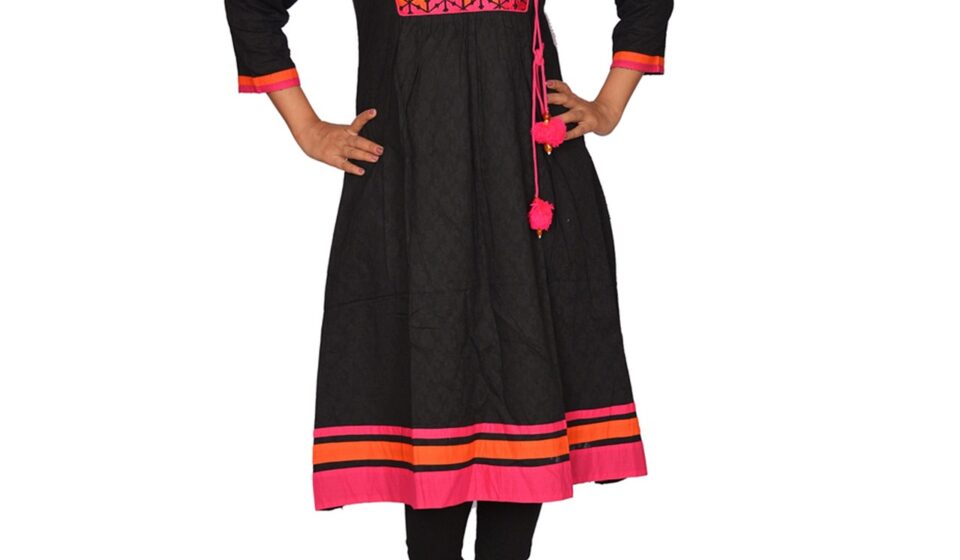
The kurta sets the main visual line. A straight kurta creates a clean vertical shape and is easy to repeat for work or daily wear. An A-line kurta adds gentle movement without looking too dressy. Anarkali and kalidar shapes add volume, which makes them better suited to weddings, festivals and formal dinners. Short kurtas with palazzos or shararas feel more expressive and work well when the bottom is meant to be part of the design statement.
The bottom changes the mood of the set. A classic salwar gives comfort and a traditional look. Straight trousers and cigarette pants feel more tailored and modern. Palazzos add ease and flow, while churidars sharpen the line under longer kurtas. Sharara and gharara bottoms create more drama, but they also need more careful handling because seams, panels and hems can catch, crease or fray if stored carelessly.
The dupatta is often underestimated. A plain kurta with a worked dupatta can look festive without making the entire outfit heavy. This is useful for shoppers who want occasion wear that is easier to clean: the delicate piece can be stored separately, while the plain kurta and bottom remain more wearable.
Current design directions to consider carefully
Recent style coverage from ethnic-wear retailers and fashion editors points to a clear shift: many salwar kurta designs are becoming cleaner, lighter and easier to repeat. Instead of dense decoration across the whole garment, the focus is often on controlled details such as embroidered yokes, shaped cuffs, scalloped hems, tonal threadwork, statement dupattas and balanced trouser volume.
This does not mean heavy festive suits are disappearing. It means buyers are often choosing more carefully where the detail should sit. Embroidery around the neckline frames the face and photographs well, while leaving the lower kurta simpler. A border on the dupatta can make a plain cotton or silk-blend set feel more formal. A small amount of mirror work or zari can add shine without making the whole garment difficult to maintain.
Color choices are also becoming more practical. Soft pastels, ivory, sage, powder blue, blush and sand tones suit daytime events, but they show stains more easily. Jewel tones such as emerald, wine, navy and deep maroon are useful for evening wear and can hide minor marks better. Dark colors still need shade drying and careful detergent choice, because harsh washing may cause fading.
The most wearable direction is not always the most dramatic one. It is the set that can be styled in more than one way, cleaned without anxiety and stored without losing shape.
Fabric choice changes both style and care
Fabric is the most important design decision because it affects drape, breathability, durability and cleaning. Public textile care guidance, including U.S. care-label rules and standard care-symbol resources, supports a simple principle: always follow the garment label when it gives specific instructions. The same silhouette can behave very differently in cotton, viscose, silk, georgette, chiffon or velvet.
| Fabric or blend | Design effect | Care level | Useful for |
|---|---|---|---|
| Cotton or lawn | Crisp, breathable, casual to semi-formal | Low to medium | Daily wear, office wear, warm weather |
| Linen or linen blend | Textured, relaxed, slightly structured | Medium | Day events, summer styling |
| Viscose or rayon | Soft drape and fluid movement | Medium | Printed kurtas, palazzo sets, travel wardrobes |
| Silk or silk blend | Elegant sheen and formal drape | High | Festive gatherings, weddings, evening wear |
| Georgette or chiffon | Light, floaty and layered | Medium to high | Dupattas, Anarkali overlays, occasion sets |
| Velvet or brocade | Rich surface and winter formality | High | Formal events, colder seasons |
Cotton and lawn are practical choices for frequent wear because they usually tolerate gentle washing better than embellished silks or velvets. They also work well in straight and A-line kurtas. Viscose and rayon can look graceful but may shrink or lose shape if washed roughly, so a gentle cycle or hand wash is safer when the label allows it. Silk, brocade and velvet should be treated as occasion fabrics unless the label clearly says they are washable.
Fiber transparency has become a bigger topic in fashion. Textile Exchange material reporting has highlighted the scale and complexity of global fiber production, which is one reason fabric composition labels matter. For shoppers, the practical takeaway is simple: do not judge only by photos. Read the fiber content and care label before assuming a salwar kurta set will be easy to maintain.
Design details that need extra care
Many salwar kurta designs look special because of surface work. The same detail that makes a garment attractive can also make it vulnerable during washing, ironing and storage. Before buying, check whether the embellishment is stitched, glued, printed, woven or attached with metal pieces. That will affect how the outfit should be handled.
Zari, zardozi and metallic thread
Zari and zardozi-style work add festive shine, especially on necklines, borders and cuffs. They should not be scrubbed, soaked for long periods or ironed directly. Metallic thread can dull or snag when rubbed against other garments. Store these pieces inside a breathable garment bag or soft cotton cover, and fold them with tissue where heavy embroidery might press into the fabric.
Mirror work and sequins
Mirror work and sequins create light-catching detail, but they can chip, loosen or pull threads. Turn the garment inside out if gentle hand washing is allowed by the label. Avoid wringing. When ironing, use a pressing cloth and work from the reverse side whenever possible.
Block prints, digital prints and dyed borders
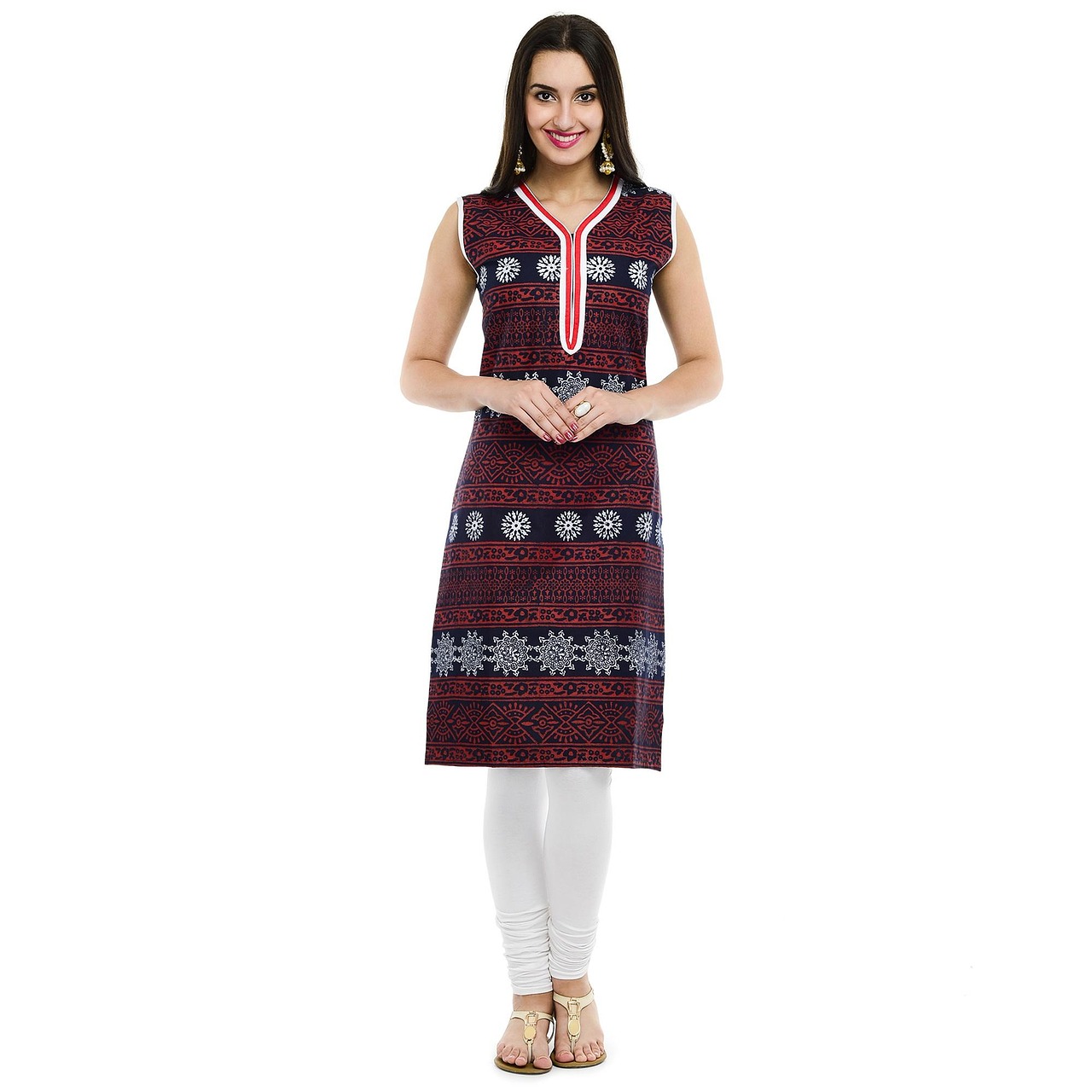
Printed salwar kurtas are ideal for daily wear, but color bleeding can be an issue with strong dyes or contrast borders. Wash dark and bright pieces separately at first. Use cool water unless the label says otherwise, and avoid drying under strong direct sun because it can fade exposed areas unevenly.
Lace, tassels and scalloped hems
Lace trims, tassels and scalloped edges are attractive finishing details, but they can twist in the wash. Place delicate sets in a mesh laundry bag if machine washing is permitted. For scalloped hems and fine lace, flat drying or careful line drying helps the edges keep their shape.
How to match the design to the occasion
The easiest way to avoid overbuying is to connect each salwar kurta design to a real use case. A wardrobe with one everyday set, one polished work or lunch set and one festive set is often more useful than several outfits that all serve the same purpose. See also: buying guides.
- Daily wear: Choose cotton, lawn or washable blends. Straight kurtas, A-line shapes, simple printed sets and relaxed salwars are practical. Keep embroidery minimal so the garment can be cleaned often.
- Office or smart casual wear: Look for straight kurtas with trousers, small motifs, tonal embroidery and clean necklines. Avoid very sheer fabrics unless the lining is comfortable and secure.
- Travel: Soft printed kurtas, wrinkle-tolerant blends and darker colors are easier to pack. A coordinated dupatta can make one set look dressier without adding much weight.
- Festive gatherings: A silk-blend kurta, Anarkali, embroidered yoke or worked dupatta gives impact. Choose embellishment in controlled areas if you want easier maintenance.
- Weddings and formal events: Rich fabrics, layered dupattas, zari, brocade, velvet or heavy embroidery can work well, but expect higher cleaning and storage needs.
Fit also matters. A kurta that pulls at the bust, armhole or side slit will age faster because the seams are under stress. Wide palazzos and shararas should be long enough to move gracefully but not so long that they drag on the ground. Hems are among the first areas to show wear, especially on festive pieces.
A care-first checklist before buying
A salwar kurta design may look appealing online or on a hanger, but a quick inspection can prevent disappointment. Use this checklist before purchase, especially for embellished or higher-priced sets.
- Check the care label for washing, drying, ironing and dry-cleaning instructions.
- Look at the fiber composition, not only the product name.
- Inspect embroidery from the inside to see whether threads are secured neatly.
- Test whether sequins, mirrors, beads or tassels feel firmly attached.
- Check lining quality, especially under sheer fabrics such as organza, chiffon or net.
- Open and close any hooks, zippers or buttons to make sure they do not catch the fabric.
- Check side slits and trouser seams for reinforcement.
- Consider whether the color suits your washing habits and local climate.
If the label says dry clean only, treat that as part of the total cost of the outfit. If the label allows hand washing, use cool water, mild detergent and minimal agitation. If the garment has multiple colors, contrast piping or dark borders, wash it separately the first few times to reduce the risk of dye transfer.
Care routine by garment part
Thinking in separate parts makes salwar kurta care easier. The kurta, bottom and dupatta do not always need the same treatment.
Kurta: Turn it inside out before washing to protect prints and embroidery. Close hooks or buttons so they do not snag. For sweat-prone areas such as underarms and collars, spot-treat gently rather than rubbing the entire garment.
Bottom: Salwars, trousers and palazzos collect dust around hems. Shake them out before washing. For wide-leg bottoms, align seams before drying so the garment does not twist. Avoid hanging very heavy wet bottoms from thin clips because this can leave marks or stretch the fabric.
Dupatta: Dupattas are often lighter and more delicate than the rest of the set. Chiffon, organza and net dupattas should be handled carefully, especially if they have borders. Store embellished dupattas folded flat rather than crushed under heavier clothes.
Ironing: Iron from the reverse side when prints, metallic threads, mirrors or sequins are present. Use lower heat for synthetic blends and delicate fabrics. If you are unsure, start with the lowest setting and use a pressing cloth.
Storage: Clean garments before long storage because body oils and perfume can discolor fabric over time. Avoid plastic bags for long-term storage in humid conditions. Breathable covers are safer for embroidered and formal sets.
Frequently asked questions
Which salwar kurta design is easiest to maintain?
A straight cotton or lawn kurta with a simple salwar or trouser is usually the easiest to maintain. Printed designs, light piping and small embroidered accents are more practical than dense beadwork or metallic embroidery for frequent washing.
Can embroidered salwar kurtas be washed at home?
Some can, but it depends on the care label, fabric and embellishment. Light thread embroidery on cotton may allow gentle hand washing, while zari, zardozi, mirror work, velvet, silk and heavily embellished pieces often need professional care or very cautious handling.
What design is suitable for both casual and festive wear?
A plain or lightly embroidered straight kurta with a statement dupatta is one of the most versatile choices. The kurta can be worn casually with simple bottoms, while the dupatta adds enough detail for family gatherings or festive meals.
How do I keep dark salwar kurta sets from fading?
Wash dark colors separately in cool water, use mild detergent, turn garments inside out and dry them in shade. Avoid long soaking and strong direct sunlight, especially for black, navy, maroon and deep green sets.
Are palazzo and sharara sets practical for regular wear?
Palazzo sets can be practical if the fabric is washable and the hem does not drag. Sharara sets are usually more occasion-focused because they have more volume, seams and panels. For regular wear, choose lighter fabrics and simpler hems.
Final thoughts
The most successful salwar kurta design balances appearance with upkeep. Clean silhouettes, breathable fabrics, secure stitching and controlled embellishment usually give better long-term value than an outfit chosen only for its first impression. For a practical wardrobe, build around straight and A-line kurtas, add one fluid palazzo or Anarkali set, and reserve heavy zari, mirror work, velvet or brocade for occasions where the extra care feels worthwhile.
When in doubt, choose the design you can clean, store and repeat with confidence. That is what keeps a salwar kurta looking elegant beyond the first wear.