Mental self care tips for a calmer everyday routine

Start with a realistic definition of mental self care
Mental self care tips are not about building a flawless routine or pretending that a candle, a walk, or a new outfit can solve every problem. They are practical choices that help you protect attention, restore energy, regulate stress, and notice when you need more support. The most useful approach is simple: choose a few repeatable habits, attach them to moments that already exist in your day, and treat them as maintenance rather than emergency repair.
The World Health Organization describes self-care as actions people take to promote and maintain health, often outside formal health services. The National Institute of Mental Health also notes that self-care can support mental health and recovery, while professional care may still be needed for mental illness or serious distress. That distinction matters. Self care is a foundation, not a substitute for treatment.
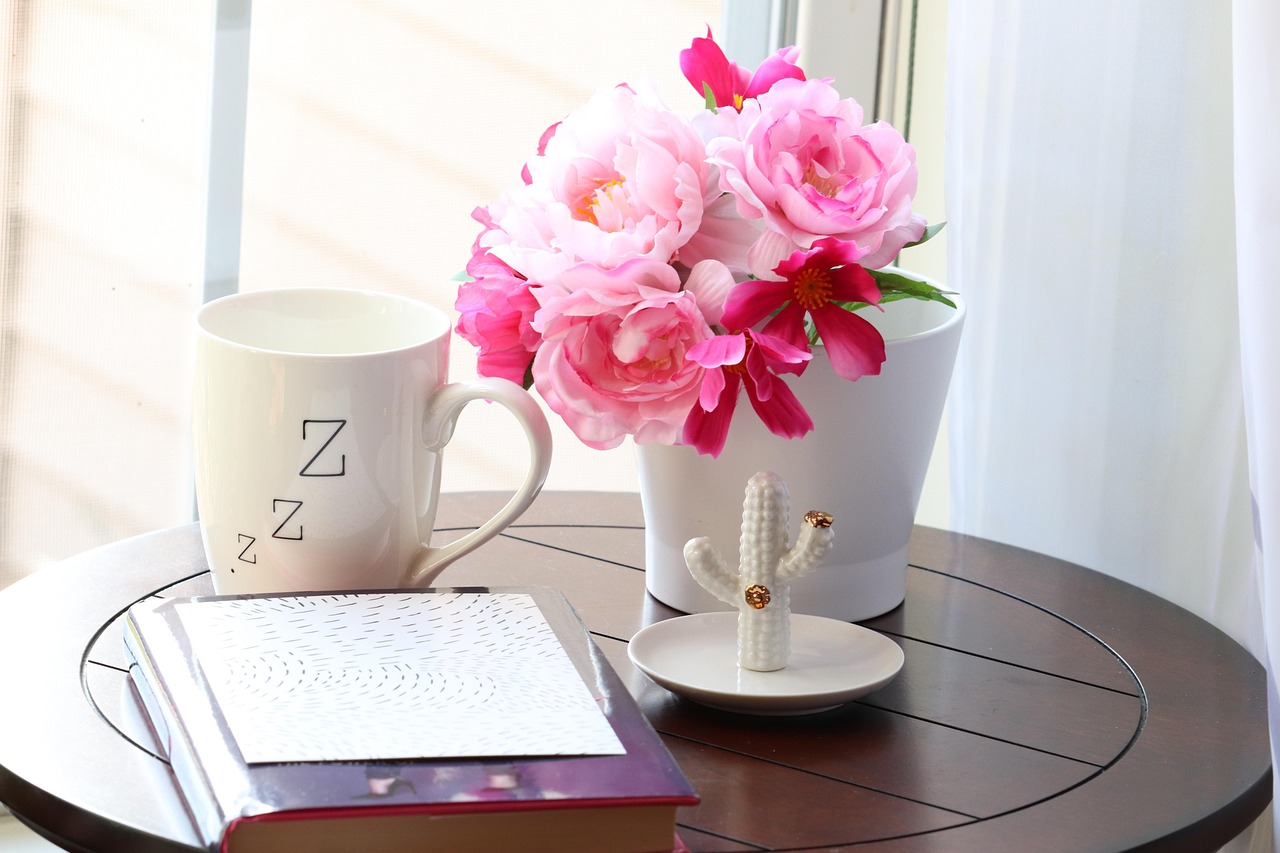
In a fashion and lifestyle routine, mental self care can also include the sensory and emotional details of daily life: clothes that feel comfortable, a less chaotic closet, a realistic morning routine, and fewer decisions before work or school. The goal is not to buy more. It is to reduce friction where life already feels heavy.
A simple mental self care framework for daily life
A strong routine does not need to be long. The best routine is often the one you can repeat on an ordinary Tuesday when you are tired, busy, or distracted. Use four time blocks instead of trying to redesign your whole life at once.
| Time block | Small action | Why it helps |
|---|---|---|
| Morning | Open the curtains or turn on a light, drink water, choose one priority, and wear something comfortable enough for the day ahead. | Reduces decision overload and gives the day a clear starting point. |
| Midday | Take a short walk, stretch, eat away from your screen when possible, or send one honest message to someone you trust. | Breaks the stress loop before it turns into evening exhaustion. |
| Evening | Lower stimulation, prepare tomorrow’s basics, and keep a consistent sleep window. | Supports recovery and reduces late-night rumination. |
| Weekly | Review what drained you, what restored you, and what needs a boundary. | Turns self care into adjustment instead of guesswork. |
This framework makes the routine measurable without becoming rigid. If a habit does not fit your schedule, budget, culture, body, or responsibilities, change the habit rather than blaming yourself.
Seven mental self care tips that are practical, not performative
Protect sleep before chasing productivity
Sleep is one of the least glamorous mental self care practices, but it affects mood, attention, patience, and resilience. The CDC says most adults need at least seven hours of sleep per night. A CDC National Center for Health Statistics data brief based on 2024 U.S. data reported that 30.5% of adults averaged less than seven hours in a 24-hour period, which helps explain why many people feel they are managing stress with a depleted battery.
Start with consistency rather than perfection. Pick a realistic bedtime range, reduce bright screens close to sleep, and make tomorrow easier before you get tired: lay out clothes, prepare your bag, and write down the one task that matters most. If your sleep problems are severe, persistent, or linked with breathing problems, pain, anxiety, depression, or shift work, it is worth discussing them with a health professional.
Move your body in a way you can repeat
Movement is not only a fitness goal; it is also a stress regulation tool. The CDC summarizes U.S. physical activity guidance for adults as at least 150 minutes of moderate-intensity activity each week, plus muscle-strengthening activity on two days. That can sound intimidating, but the habit can begin much smaller.
Try a 10-minute walk after lunch, gentle stretching while coffee brews, dancing to one song, or taking stairs when your body allows. The point is to give stress somewhere to go. A style routine can support this by keeping comfortable shoes, breathable layers, or a simple walking outfit ready. When the physical barrier is lower, the mental barrier often feels lower too.
Use breathing, mindfulness, or grounding for acute stress
When stress spikes, the first goal is not to solve your whole life. It is to bring your nervous system down enough to think clearly. The American Psychological Association describes mindfulness meditation as a research-supported way to reduce stress, and structured methods such as mindfulness-based stress reduction have a stronger evidence base than vague wellness claims.
For everyday use, keep the practice simple. Take four slow breaths before answering a difficult message. Name five things you can see, four you can feel, three you can hear, two you can smell, and one you can taste. Sit with your feet on the floor and unclench your jaw. These tools are not magic, but they can create a pause between emotion and reaction.
Set boundaries that are specific enough to follow
Many people assume boundaries have to sound dramatic. In daily life, useful boundaries are often small, practical, and repeatable. Examples include not checking work messages after a set time, declining plans when you need recovery, limiting conversations that repeatedly leave you drained, or placing your phone outside the bedroom.
A weak boundary says, “I should use my phone less.” A usable boundary says, “I will charge my phone in the kitchen after 10 p.m.” The second version gives your brain a clear instruction and removes some of the negotiation.
Stay connected without overextending yourself
The CDC includes connection with others among healthy ways to cope with stress. That does not mean you need a large social circle or constant availability. It means your mind needs some form of safe contact, perspective, and belonging.
If you are low on energy, choose low-pressure connection: send a voice note, take a walk with someone, sit beside a friend without needing to perform cheerfulness, or ask a trusted person for practical help. If social media leaves you comparing your life, face, body, wardrobe, or success to everyone else’s highlight reel, treat that as useful information. Connection should leave you feeling more human, not more inadequate.
Reduce decision fatigue through your environment and style routine
One overlooked form of mental self care is reducing unnecessary daily decisions. A cluttered closet, uncomfortable fabrics, missing basics, and too many “maybe” pieces can make mornings feel heavier than they need to be. This is especially relevant for readers who love fashion but do not want getting dressed to become another source of pressure.
Create a small set of reliable outfits for common situations: work, errands, travel, rest days, and social plans. Keep pieces visible, clean, and easy to combine. Remove items that pinch, itch, trigger insecurity, or require constant adjustment. Style can be expressive, but it should also respect your body and your day.
Manage media intake like part of your stress diet
The WHO has noted that too much time following news and social media can increase stress. This does not mean ignoring the world. It means choosing when and how you take in information. Try checking news at set times instead of grazing all day, muting accounts that repeatedly trigger comparison, and replacing one scrolling session with a restorative habit such as stretching, reading, or preparing tomorrow’s outfit. See also: buying guides.
Digital boundaries work best when they are paired with an alternative. If you remove the phone but leave an empty hour, the habit will probably return. Replace the loop with something tangible.
Match the tip to the problem you are actually having
Not every hard day needs the same response. Before choosing a habit, ask what the problem feels like in your body and behavior. Are you overstimulated, lonely, exhausted, scattered, or emotionally numb? Matching the action to the need makes self care more effective.
| If you feel | Try this first | A useful limit |
|---|---|---|
| Overstimulated | Quiet room, dim lights, slow breathing, fewer notifications. | Do not use isolation as your only coping strategy for days at a time. |
| Lonely | Send one honest message or schedule a low-pressure meet-up. | Avoid comparing your need for connection with other people’s social lives. |
| Exhausted | Prioritize sleep, food, hydration, and one essential task. | Do not turn self care into another demanding checklist. |
| Scattered | Write a three-item list and prepare your physical space. | Keep the list short enough to complete. |
| Self-critical | Change body-comparison inputs, wear clothes that fit now, and speak to yourself more plainly. | Do not frame confidence as a requirement before you deserve comfort. |
This matching approach is what many generic self care lists miss. A bath may help one person relax, but it will not solve chronic overload, unsafe relationships, financial strain, untreated depression, or a work schedule that leaves no recovery time. A good routine respects context.
When self care is not enough
Self care has limits, and naming those limits is responsible. Consider talking with a licensed mental health professional, primary care clinician, or trusted health service if distress lasts for weeks, interferes with work or relationships, changes your sleep or appetite significantly, leads to increased alcohol or drug use, or makes daily tasks feel unmanageable.
Seek urgent help if you might harm yourself or someone else, feel unable to stay safe, or are supporting someone in immediate crisis. In the United States, CDC mental health resources updated on May 12, 2026 list the 988 Suicide & Crisis Lifeline for people who are struggling or in crisis; you can call or text 988. If there is immediate danger, call emergency services. If you are outside the U.S., use your local emergency number or crisis support service.
There is no failure in needing care beyond self care. Therapy, medication, peer support, community resources, and medical evaluation can all be part of a healthy plan. Self care should make it easier to ask for help, not harder.
Make your routine personal without making it expensive
A calmer routine does not require a full lifestyle reset. It can begin with a few honest edits: one comfortable outfit for high-stress days, one quiet corner for decompression, one regular sleep cue, one person you can contact, and one boundary that protects your energy.
For fashion-focused readers, personal style can become a supportive ritual when it lowers stress rather than creating comparison. Choose textures that feel good, silhouettes that allow movement, and accessories that make you feel prepared. Organize your everyday items so leaving the house feels less rushed. Keep a “recovery outfit” for evenings when your body needs softness and your mind needs a signal that the workday is over.
You can also review more lifestyle and care ideas in our care tips section, where practical routines matter more than perfection.
The most sustainable mental self care tips are the ones you can practice when life is imperfect. Start small, repeat often, and adjust without shame. Over time, those small acts become a structure your mind can lean on.
Frequently asked questions
What are the most important mental self care tips to start with?
Start with sleep, movement, connection, boundaries, and a short calming practice such as breathing or grounding. These areas appear repeatedly in guidance from organizations such as NIMH, CDC, WHO, and APA because they support daily functioning and stress regulation.
How long should a mental self care routine take?
It can take five minutes or an hour, depending on the day. A realistic routine might include two minutes of breathing, a 10-minute walk, a prepared outfit for tomorrow, and a consistent bedtime. Repeatability matters more than length.
Can clothes or personal style really be part of mental self care?
They can be part of a supportive routine, as long as they are not treated as a cure for emotional distress. Comfortable, practical clothing can reduce sensory irritation and decision fatigue. Personal style can also help mark transitions between work, rest, and social time.
What should I do if self care is not helping?
If distress is intense, persistent, or affecting your ability to function, self care alone may not be enough. Contact a health professional, mental health service, or crisis support line if safety is a concern. Getting help is a valid part of caring for yourself.