How fashion products are changing in 2026 as value, resale, and durability reshape apparel

The shift in fashion products is practical, not cosmetic
Fashion products in 2026 are being assessed less as one-season statements and more as items that need to justify their place in a wardrobe. Use value, resale potential, durability, and reliable product information now sit alongside seasonal aesthetics. In the apparel products category, that matters because a dress, jacket, bag, sneaker, or accessory has to perform across price, styling, care, and end-of-life expectations.
This does not mean trends have stopped mattering. Shoppers still want novelty, identity, and emotion from apparel, and brands still need strong silhouettes, color stories, and merchandising. The difference is that trend appeal is increasingly filtered through practical questions: How often will this be worn? Will it hold up? Can it be repaired, resold, or handled responsibly later? McKinsey and The Business of Fashion described 2026 as a challenging year for fashion executives, with tariffs identified as a leading business hurdle in their executive survey. (mckinsey.com)
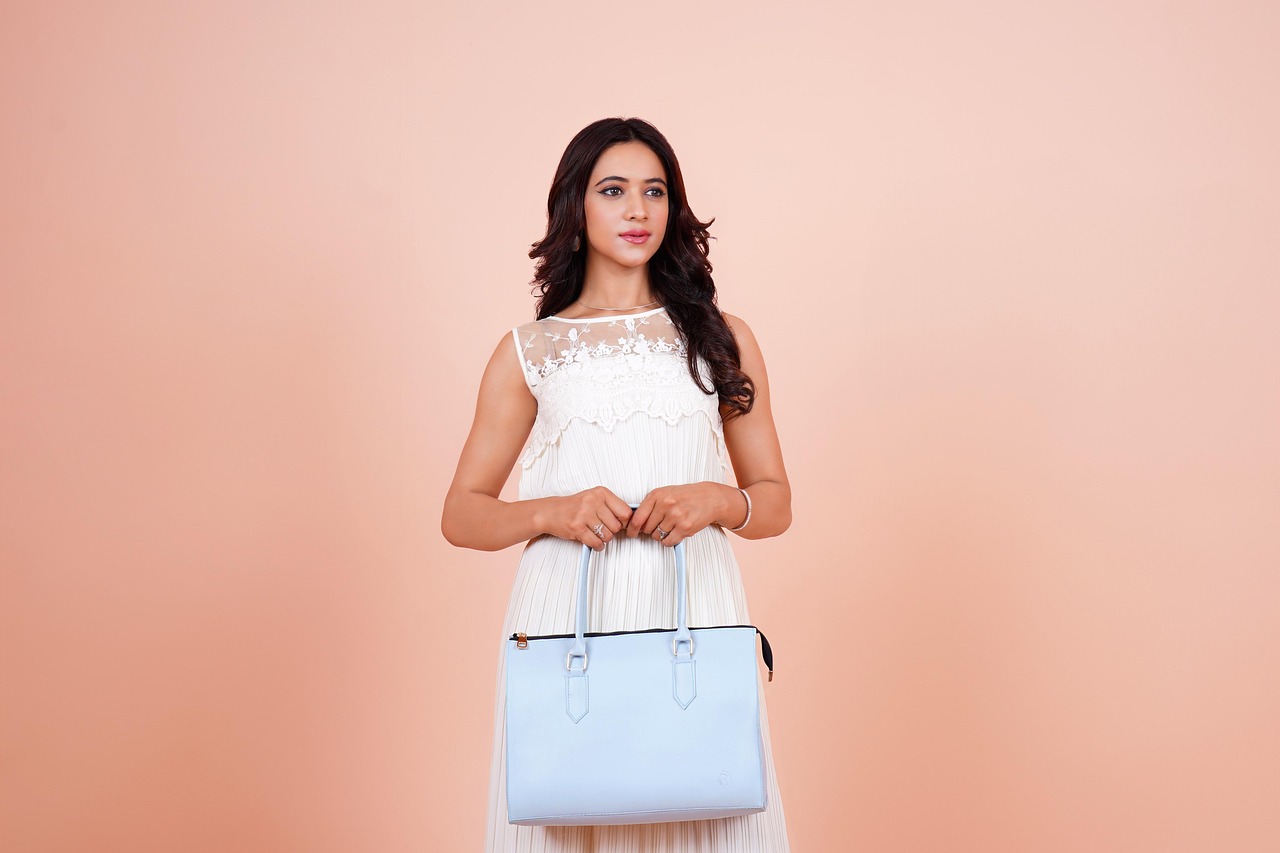
The result is a quieter but important product reset. The strongest fashion product stories are less likely to rely on novelty alone. They connect style to function, price to longevity, and product claims to evidence that buyers and consumers can understand.
Value pressure is changing the meaning of desirable
Value in fashion used to be discussed mainly as a price issue. In 2026, it is more useful to treat value as the relationship between price, expected use, versatility, care needs, and perceived quality. A low-priced item that loses shape quickly can feel expensive after a few wears, while a higher-priced item may feel reasonable if it works across seasons and occasions.
That shift affects which products are easier to justify. Layered basics, adaptable work-to-weekend pieces, washable tailoring, weather-aware outerwear, and accessories that refresh older outfits without requiring a full wardrobe rebuild all fit this more practical value logic.
Macroeconomic pressure also changes how fashion products are edited. When households watch discretionary spending, shoppers become more selective about products that duplicate what they already own. Retailers may respond with tighter assortments, clearer entry price points, and stronger explanations of fabric, fit, and care. In its State of Fashion 2026 discussion, McKinsey noted rising costs across the value chain and referenced tariff pressure on apparel and leather goods from a first-cost perspective. (mckinsey.com)
For product teams and fashion editors, the practical takeaway is straightforward: desirability now needs a reason. A product can still be expressive, seasonal, or trend-led, but it should answer a clear use case. A satin skirt may be positioned around day-to-night styling. A knit set may be judged by fabric recovery and laundering. A handbag may need to show not only color and shape, but also capacity, hardware quality, and whether the design is likely to date quickly.
Resale is now a design and merchandising consideration
Resale is no longer just a separate marketplace for unwanted clothing. It is becoming one of the lenses through which consumers evaluate new fashion products. The ThredUp 2025 Resale Report, produced with GlobalData, said the U.S. secondhand apparel market grew 14% in 2024 and outpaced the broader retail clothing market by five times. Because ThredUp is an active resale platform, its report should be read with that business context in mind, but the data point still reflects broader consumer interest in secondhand apparel. (newsroom.thredup.com)
This has direct product implications. Items that retain structure, photograph well, show recognizable construction details, and avoid fragile trims are better suited to a second life. Clear size information, durable labels, and consistent material descriptions also matter because resale depends on identification and trust. A product designed only for a short burst of social visibility may struggle in resale if quality, fit, or care performance disappoints.
Resale does not automatically make every purchase sustainable. Shipping, returns, overconsumption, and low-quality products still create waste. Even so, resale changes the conversation around product value. Instead of asking only whether an item is affordable today, shoppers increasingly ask whether it will still have utility or value after the first owner is done with it. For apparel coverage, resale potential is a useful editorial angle for categories such as denim, leather goods, coats, occasionwear, knitwear, and children’s clothing.
Durability and circular design are becoming product features
Durability is moving from a hidden technical detail to a visible product feature. The Ellen MacArthur Foundation has argued that circular fashion depends on products being designed to be used more, made to be made again, and supported by models such as resale, rental, repair, and remaking. Its circular design guidance emphasizes physical durability, emotional durability, repairability, and the ability to recover value at the end of use. (ellenmacarthurfoundation.org)
The environmental case behind this shift is significant. The United Nations ActNow facts page states that clothing production has doubled over the last 15 years while the number of times garments are worn before disposal has fallen, and it highlights textile waste as a major sustainability issue. These are broad global indicators rather than product-level measurements, but they explain why longer use, repair, and better material choices are now central to the fashion products conversation. (un.org)
| Product attribute | What to examine | Why it matters |
|---|---|---|
| Fabric performance | Stretch recovery, pilling risk, opacity, weight, and shrinkage | Good fabric performance supports repeat wear and reduces disappointment after washing. |
| Construction | Seam strength, lining quality, buttons, zippers, hems, and reinforcement | Construction determines whether a garment can handle normal use and minor repair. |
| Care requirements | Machine washability, drying instructions, colorfastness, and ironing needs | High-maintenance care can reduce actual wear even when a product looks appealing. |
| Style longevity | Silhouette, color, pattern scale, and styling flexibility | Products that avoid extremely narrow trend dependence are easier to keep in rotation. |
| End-of-use options | Repairability, resale fit, mono-material construction, and recyclability signals | End-of-use planning helps products retain value after the first ownership cycle. |
Durability should not be reduced to heaviness or stiffness. A lightweight blouse can be durable if the fabric, seams, and care performance are appropriate. A heavy jacket can still fail if trims break or the lining tears. The better question is whether the product is designed for the way people will actually wear, wash, store, and restyle it.
Transparency and digital discovery are becoming part of the product
Product information is becoming more important because regulation, resale, and digital shopping all depend on accurate data. The European Commission’s textiles strategy addresses the full lifecycle of textile products and includes measures such as Digital Product Passports. The Commission also identifies textile apparel as a priority product group under the Ecodesign for Sustainable Products Regulation Working Plan 2025-2030. (environment.ec.europa.eu)
Policy developments outside Europe point in a similar direction. California’s Responsible Textile Recovery Act of 2024 requires CalRecycle to review and approve a producer responsibility organization by March 1, 2026, for the state’s textile recovery program. That does not mean every region will follow the same model, but it shows how responsibility for clothing after use is becoming a regulatory issue rather than only a voluntary brand program. (calrecycle.ca.gov) See also: care tips.
Transparency affects everyday product presentation. Fiber content, country of origin, care guidance, repair instructions, fit notes, and material certifications are no longer small details hidden below the fold. They help shoppers compare products, reduce returns, and evaluate claims. They also support secondhand listings later, because resale platforms need accurate product identity and condition information.
Digital discovery adds another layer. McKinsey reported that more than 35% of fashion executives surveyed were already using generative AI in areas such as online customer service, image creation, copywriting, consumer search, or product discovery. This does not mean technology should replace human taste. It means product data, imagery, naming, and attribute tagging must be accurate enough for search tools and recommendation systems to interpret. (mckinsey.com)
For fashion products, a vague title such as black top is far less useful than a clear description that includes fabric, fit, neckline, sleeve shape, occasion, and care. Better data can help shoppers find the right item faster, while poor data can make even a strong product difficult to discover.
A practical framework for evaluating fashion products
The most useful way to assess fashion products in 2026 is to combine style judgment with product discipline. A product does not need to score perfectly on every point, but it should have a clear reason for existing. The following framework can help buyers, editors, and shoppers evaluate apparel without relying on empty claims.
- Use case: Identify the real wardrobe problem the product solves, such as commuting, travel, office dressing, layering, formal events, or weather protection.
- Wear frequency: Estimate whether the item can be worn repeatedly or whether it depends on a very narrow trend moment.
- Material logic: Check whether the fabric matches the purpose. Breathability, stretch, drape, insulation, and care needs should fit the product type.
- Construction quality: Look for details that support longevity, including stable seams, functional closures, secure trims, and appropriate lining.
- Care and repair: Products are easier to keep when care is realistic and small failures can be fixed.
- Claim evidence: Treat broad words such as conscious, green, responsible, or sustainable cautiously unless the product information explains what is meant.
- Resale or reuse potential: Consider whether the item has a second-life market, timeless styling, durable condition, or practical hand-me-down value.
This framework is especially important because fashion claims are under more scrutiny. The European Parliament has reported EU action against generic environmental claims on products without proof, reflecting a wider move toward evidence-based sustainability communication. (europarl.europa.eu)
For an industry content site, the stronger editorial approach is not to declare every product sustainable or every trend essential. It is to explain trade-offs. A recycled polyester jacket may reduce demand for virgin polyester but still raise microfibre and end-of-life questions. A cotton shirt may be breathable and familiar, but its impact depends on farming, dyeing, finishing, durability, and washing. A luxury bag may hold resale value, but price alone does not guarantee responsible sourcing or better labor conditions.
Responsible product coverage should also consider supply chains. The OECD describes its garment and footwear due diligence guidance as government-backed responsible business conduct guidance for the sector, reflecting the complexity of supply chains that may involve raw materials, processing, manufacturing, logistics, and retail across multiple countries. (oecd.org)
Frequently asked questions
What are fashion products?
Fashion products include apparel, footwear, accessories, bags, jewelry, and related items designed for personal style, function, and identity. In apparel-focused coverage, the term often refers to garments and accessories that combine design, material, fit, trend relevance, and practical use.
Why is resale important for fashion products?
Resale matters because it changes how products are valued after the first purchase. A garment with strong construction, clear labeling, stable fit, and lasting style may keep more usefulness in a secondhand market. Resale also encourages closer attention to durability and product information, although it should not be treated as a complete solution to overproduction.
Are sustainable fashion products always more expensive?
Not always. Some lower-impact choices come from buying fewer items, choosing secondhand, repairing garments, or selecting products that last longer. Some new products with better materials, traceability, or labor practices may cost more upfront. The more useful comparison is cost per wear, evidence behind claims, and whether the product genuinely fits the buyer’s needs.
How can shoppers judge quality before buying?
Shoppers can look at fabric composition, stitching, lining, closures, transparency of care instructions, return patterns in reviews, and whether the item keeps its shape after washing. For online products, useful listings should include measurements, close-up photos, material details, and fit guidance rather than relying only on lifestyle imagery.
What should readers be cautious about in fashion product claims?
Readers should be cautious when a product uses broad environmental language without explaining the specific material, certification, production practice, or lifecycle benefit. Claims such as eco-friendly or responsible are only useful when they are specific, verifiable, and relevant to the product being described.