Is Gym Apparel for Men Better Than Regular Sportswear for Real Workouts?
Why Does gym apparel for men Matter Before Your Next Workout?
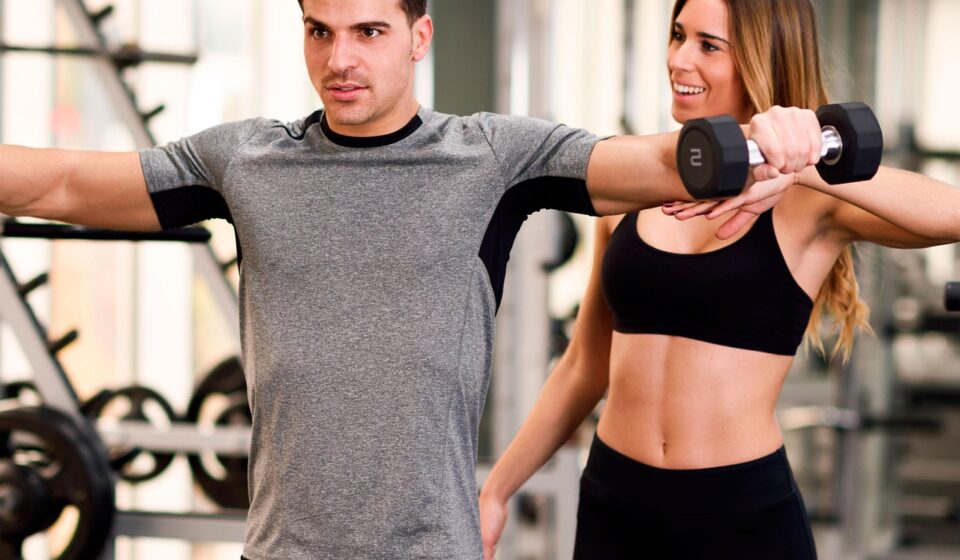
The right gym apparel for men is not only about looking neat in a gym mirror. It should let you move, sweat, stretch, lift, and cool down without pulling at your clothes during the session. If you are checking new training outfits across apparel products, use one simple rule first: gym clothing should fit the way you train, not only the way it looks in a product photo.
Training Habits Shape Clothing Needs
The U.S. Office of Disease Prevention and Health Promotion states in its current Physical Activity Guidelines that adults should aim for 150 to 300 minutes of moderate-intensity aerobic activity weekly, plus muscle-strengthening activity on two days. For many men, that means one set of clothes may need to deal with treadmill sweat and loaded squats in the same week.
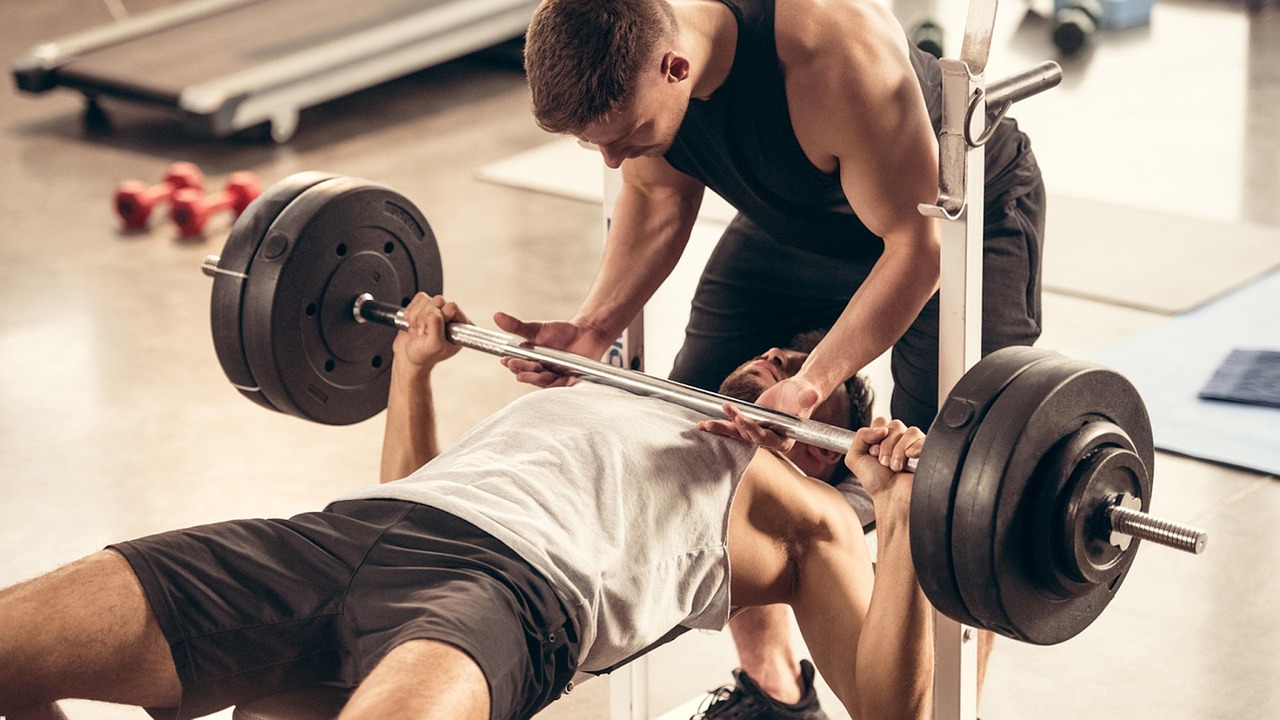
A soft casual tee can be fine for errands or light walking. During a hard back day, though, it may cling, twist, or hold sweat longer than most buyers want.
Everyday Wear Now Meets Gym Gear
Gym apparel is also used for normal daily wear now, especially by men who train before or after work. The U.S. Bureau of Labor Statistics reported in its 2024 Consumer Expenditure Surveys that average annual apparel and services spending was $2,001 per consumer unit, down 2.0% from 2023.
With that kind of budget pressure, value matters more at the buying stage. A shirt should not be useful for only one workout, and many customers expect it to work for training, a coffee stop, or a quick store run without looking like old team practice gear.
Small Fit Details Change Comfort
A good gym top sits close to the body but does not block the shoulders. Shorts should stay in place during box jumps, but they should not dig into the waist on leg press.
Joggers need enough taper so they do not catch on machines. These details seem minor at first, but they matter when a sleeve seam rubs your triceps or a waistband rolls under a belt on the tenth rep. Fit is not just about appearance here; it is part of how the product works.
Which Fabrics Work Best for Sweat and Heat?
Fabric is usually the first clear difference between regular sportswear and purpose-built gym clothes. The right fabric depends on heat, training style, and skin feel. A heavy cotton tee can feel fine at the start, then become damp and cold after cardio. Performance blends are not a cure-all, but they do handle some common gym problems better.
Polyester and Nylon Move Sweat Better
The American Academy of Dermatology advises looking for synthetic fabrics such as nylon or polyester, or garments labeled moisture-wicking, when choosing workout clothes. These fabrics help move sweat away from the skin.
For a 45-minute lift followed by 15 minutes on a bike, that difference is easy to feel. Less wet fabric usually means less cling, less chill after training, and a cleaner feel on the way home.
Spandex Adds Stretch Without Bulk
Most men do not need heavy compression for normal gym work. A small amount of stretch, however, helps a top or short follow the body instead of fighting it.
A tee with elastane can move with the shoulders during rows. Shorts with spandex can handle deep lunges without pulling across the thigh. The better choice is usually enough stretch for normal movement, not so much that the fabric feels like plastic wrap.
Cotton Blends Still Have a Place
Cotton is not out of place in the gym. For light lifting, warmups, walking, or low-sweat days, cotton blends can feel soft and familiar.
Textile Exchange reported in its 2024 Materials Market Report that global fiber production reached 124 million tonnes in 2023, while cotton production slipped from 25.1 million tonnes in 2022 to 24.4 million tonnes in 2023. For buyers, the main point is choice. Synthetic and cotton-rich fabrics both have uses, but heavy cotton is seldom the best pick for long sweaty sessions.
How Should Gym Tops Fit Your Body?
A gym top should give enough freedom without becoming so loose that it gets in the way. Many men buy one size too large for comfort, then deal with extra fabric bunching under a barbell or catching during cable work. Others size down for a tighter look and lose shoulder movement. In most cases, the middle fit works better.
Shoulders Need Full Range
Raise both arms overhead before judging a tee or tank. If the hem rides up too high or the shoulder seam bites, the cut is not right for training.
For push days, pull days, and overhead pressing, the shoulder area matters more than chest tightness. Raglan sleeves, four-way stretch, and slightly curved armholes often feel better than stiff fashion cuts.
Length Should Cover Movement
A shirt should stay in place when you bend to tie shoes, deadlift, or reach for a pull-up bar. If it is too short, it feels awkward; if it is too long, it bunches at the hips.
For most gym use, the hem should fall around the lower waistband or just below it. Tanks need the same check. Deep armholes may look fine on the hanger, but they can expose too much during machine work, and not everyone in the gym asked for that view.
Necklines Should Stay Comfortable
Crew necks work for most men. Slight V-necks can look neater on broader chests, while high tight collars may rub during sweaty cardio.
Loose collars can also stretch out after repeated washing. If you train four days a week, collar recovery matters. A shirt that looks worn out after three washes is not good value, even if the first price was low.
What Makes the Right Shorts or Joggers Different?
Lower-body gym apparel has to do a lot. It needs to handle squats, cardio, stretching, seated machines, and sometimes a phone, locker key, or earbuds case. Good bottoms should feel almost unnoticeable once training starts. If you keep fixing them between sets, the design is probably missing something.
Inseam Depends on Training Style
Shorts around 5 to 7 inches work well for running, HIIT, and hot gyms. A 7 to 9 inch inseam may suit lifting better, especially for men who want more coverage while sitting on benches.
Very long shorts can catch around the knee during squats. Very short shorts give good mobility, but not every buyer wants that look.
Waistbands Should Hold Without Pinching
A flat elastic waistband with a drawcord is usually a safer choice than a thick bulky band. It should stay secure during burpees, but it should not fold when you brace your core. See also: buying guides.
If you wear a lifting belt, test how the waistband feels underneath it. A poor waistband gets irritating fast, especially on leg day when comfort is already harder to keep.
Pockets Need Secure Placement
For gym apparel, pockets should not swing around with every step. Zipper pockets are useful for keys and cards, while deeper side pockets help when you move between the gym and the street.
It is still worth being realistic about what pockets can do. A large phone in loose shorts can bounce during treadmill work. For cardio, a liner pocket or zip pocket often feels better.
Can Men Build a Simple Gym Apparel Rotation?
You do not need a large closet of workout clothes. A small, planned rotation keeps laundry easier and helps control cost. The right number depends on how often you train, local weather, and how quickly you wash clothes. Start with the basics, then add pieces once you see what you actually wear.
Three Tops Cover Most Weeks
For a three to four day training week, three performance tops are a practical start. Pick one lightweight tee for cardio, one slightly heavier tee for lifting, and one tank or sleeveless top if your gym runs warm.
Neutral colors are easier to repeat during the week. One stronger color can still be useful in the rotation, because gym clothes do not have to look dull.
Two Bottoms Add Flexibility
One pair of training shorts and one pair of joggers can cover most situations. Shorts work better for heat and high movement, while joggers are useful for cooler weather, warmups, and upper-body days.
If you train legs often, look for bottoms with a gusset or stretch panel. That one construction detail can stop the fabric from pulling in the wrong places.
One Layer Handles Transitions
A light hoodie, zip jacket, or long-sleeve training top helps before and after workouts. It also makes gym apparel easier to wear outside the gym.
The American College of Sports Medicine ranked wearable technology as the number one 2026 fitness trend, with mobile exercise apps also in the top five. Since many men train with watches, phones, and earbuds, a layer with useful pockets and easy sleeve movement fits the way workouts are done now.
How Do You Choose Better Value Without Overpaying?
Price alone does not prove quality. Some costly gym clothes fail early, while some mid-priced items last well. Better value comes from fabric recovery, stitching, wash performance, and how often the item gets worn. The simple checks are often the ones that save money.
Check Seams Before Style
Look at shoulder seams, crotch seams, hems, and pocket stitching before looking too much at the logo. Flat seams feel smoother against the skin, and bar tacks at stress points help shorts handle repeated movement.
One loose thread may not be a major issue. Several loose threads on a new garment are a warning sign. A clean logo will not make weak sewing last longer.
Read Care Labels Like a Buyer
Performance fabrics often last longer with cold washing and low heat drying. High dryer heat can damage stretch fibers, fade prints, and change the fit.
If you train often, easy-care pieces are worth more than delicate ones. A gym shirt that needs special handling after every wash will probably stay in the drawer.
Buy for Your Main Workout
If you lift most days, spend first on tops with shoulder room and bottoms that squat well. If you run or do HIIT, focus on lighter fabric and secure pockets.
If you also use gym apparel for travel or casual weekends, choose cleaner cuts with fewer loud graphics. One piece that works twice a week is better value than three pieces worn once and forgotten.
FAQ
Q1: What Fabric Is Best for gym apparel for men? A: Polyester, nylon, and stretch blends are usually the better choice for sweaty workouts because they dry faster and move more easily. Cotton blends are fine for light training or casual wear.
Q2: Should Men Wear Tight or Loose Gym Clothes? A: Choose close-fitting clothes that still allow full movement. Very tight pieces can rub or limit motion, while oversized clothes may bunch or catch on equipment.
Q3: How Many Gym Outfits Does a Man Need? A: For three to four workouts a week, start with three tops, two bottoms, and one light layer. Add more only after you know what you wear most.
Q4: Are Joggers Better Than Shorts for Training? A: Neither is always better. Shorts work well for heat, cardio, and leg movement. Joggers are useful for cooler gyms, warmups, and casual wear after training.
Q5: How Can Gym Apparel Last Longer? A: Wash it soon after sweaty sessions, use cold water, avoid high dryer heat, and rotate pieces instead of wearing the same shirt every workout.