Are Fashion Accessories the Smartest Way to Refresh Your Style in 2026?
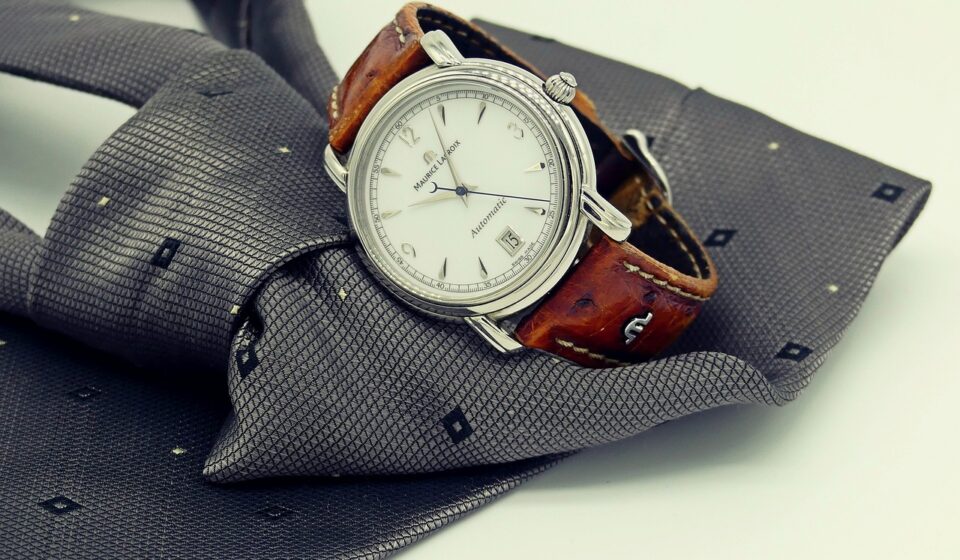
Why Do Fashion Accessories Matter More Than Most People Think?
Fashion accessories often decide how an outfit reads before anyone notices the cut of the jacket. A bag shape, metal tone, belt width, or scarf color can shift a basic look quickly, and this is why buyers keep coming back to the category. If you are comparing bags, jewelry, belts, scarves, and other finishing pieces, the fashion accessories category is a useful place to start. According to Statista Market Insights, the worldwide Accessories market was projected to generate US$758.14 billion in 2026, and online sales were expected to make up 16.5% of total revenue. (statista.com)
The size of that market is not just a report number. Accessories sit between style, daily use, gifting, and impulse purchase, so they move in both fashion shops and general marketplaces. Most customers will not rebuild a wardrobe every season, but they may buy a better bag shape, cleaner metal tone, or scarf that adds color near the face.
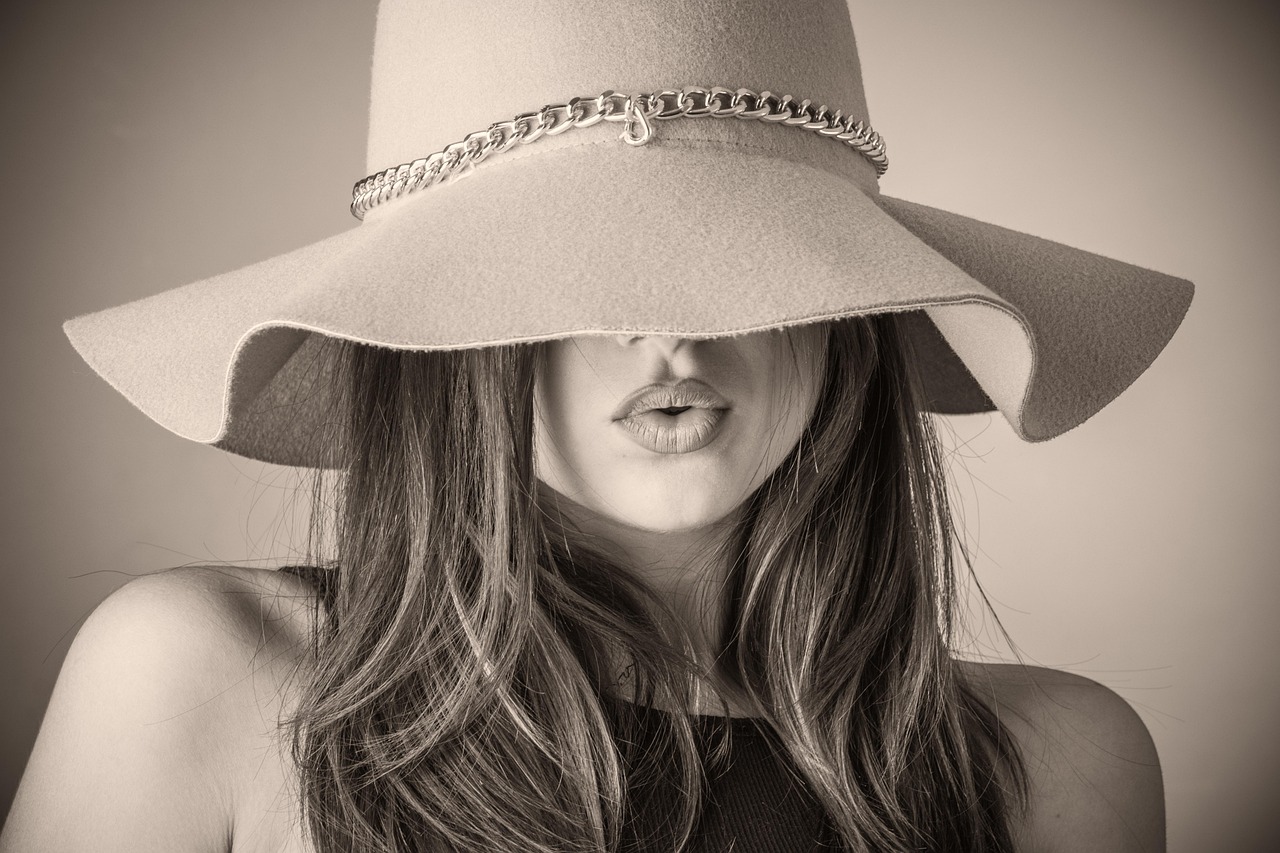
They Change the Outfit Before You Change the Wardrobe
A plain white shirt and jeans can look casual with a canvas tote, cleaner with a structured shoulder bag, and closer to evening with a slim clutch. The clothes underneath have not changed, but the message has. That is the practical value of accessories, especially when a customer wants a fresh look without buying another jacket.
They Fit Real Shopping Behavior
Accessories are simple to compare online because shoppers can read shape, color, size, and finish faster than they can judge garment fit. Still, the category is crowded, so small product details carry weight. Google said in 2024 that its Shopping Graph had more than 45 billion product listings, which shows how crowded digital product choice has become. Clear details, accurate photos, and useful measurements matter when you buy. (blog.google)
They Carry More Personal Meaning
A ring from a trip, a scarf worn on cold mornings, or a work bag that gets through three train delays becomes part of a routine. These pieces are not only decoration. They carry small stories, and that can make them harder to replace than a trendy coat.
Which Fashion Accessories Are Worth Buying First?
Start with pieces that fix daily dressing problems, not pieces that only look good in a campaign shot. A good first accessory should earn its space, match several outfits, and not need much thought at 7:30 in the morning. If it works with only one look, it should be special enough to justify that narrow use.
Everyday Bags With Clean Shapes
A clean bag shape is usually easier to sell through and easier to wear than a heavily decorated one. For daily use, the size should hold a phone, wallet, keys, small pouch, and sunglasses without becoming a black hole. A medium tote, compact crossbody, or structured shoulder bag usually gets more wear than an odd mini bag, unless that mini bag is meant for events.
- Choose a neutral color if most of your wardrobe is already colorful.
- Choose one accent color if your clothes are mostly black, denim, white, beige, or gray.
- Check strap drop, zipper placement, and inside pockets before buying.
Jewelry That Matches Skin Tone and Routine
Gold, silver, rose gold, resin, pearls, and mixed metals all have a place, but they do not suit every day the same way. If you type all day, large rings can get in the way. If your hair catches on earrings, smooth hoops may be easier than sharp shapes. If your skin is sensitive, material notes matter more than the product photo.
Belts, Scarves, and Hats With Clear Jobs
A belt can define a waist, break up a long dress, or make wide-leg pants look planned. A scarf can add color close to your face, and it can also lift a basic coat. A hat can cover a rushed hair day, although hat hair afterward is still a real issue. Buy these pieces for a clear job, not only because they look good on a product page.
How Can You Choose Pieces That Look Good Beyond One Season?
Trends are useful when they help a line or a wardrobe feel current, but too many trend pieces make a closet noisy. The safer route is to keep stable shapes and add one or two current details. This gives the outfit some life without making it look tied to one short trend cycle.
Simple Color Rules That Still Feel Fresh
Use a three-color rule when you feel stuck. Pick one base color, one support color, and one accent. Black trousers, a cream sweater, and a burgundy bag look finished without much effort. If your outfit already has a print, choose an accessory that repeats one color in that print. It is a simple check, and it works well for both personal styling and product displays.
Materials That Age Better With Care
Smooth leather, coated canvas, stainless steel, quality plated brass, silk, wool, and sturdy cotton usually hold up better when cared for properly. You do not need the highest-price version. You do need clean stitching, firm closures, smooth edges, and hardware that does not feel hollow or weak. Those checks matter more than a polished product photo.
Proportions That Match Your Body and Clothes
Scale matters, and it is where many online buys go wrong. A very tiny bag can look lost with an oversized coat. A huge tote can overpower a narrow evening dress. Long necklaces suit open necklines, while short chains work well with crewnecks. Before buying, picture the item with three outfits you already own. If that test feels difficult, wait before checking out.
What Do Current Market Signals Say About Accessory Trends?
Public data points do not decide what anyone must wear. They do show where buyer attention is moving. For a buyer, retailer, or style-focused shopper, those signals are worth watching because accessories often shift faster than core clothing.
Big Demand With Careful Spending
Bain & Company and Altagamma reported through the Associated Press in July 2026 that global personal luxury goods sales were forecast to grow 2% to 4% in 2026, reaching about €365 billion to €373 billion after two years of contraction. The point for fashion accessories is not that every customer wants luxury. It is that many buyers still spend, but they want the item to feel worth the price. (apnews.com)
Jewelry as the Category Anchor
Euromonitor International reported in 2026 that jewelry accounted for 56% of global personal accessories sales in 2025 and was forecast to grow at a 2.5% real CAGR through 2030. That helps explain why earrings, rings, cuffs, and layered necklaces keep showing up in trend stories and product launches. For retailers and small brands, it also makes the category hard to ignore. (euromonitor.com)
Pinterest Searches Favor Bolder Details
Pinterest Business reported that its 2026 Glamoratti trend was driven by searches such as “80s luxury” up 225%, “chunky belt” up 65%, and “gold cuff” up 50%, based on global English-language search data from September 2023 to August 2025. In day-to-day outfits, this points to stronger belts, shaped jewelry, and warmer metallic accents rather than details that barely show. (create.pinterest.com) See also: apparel products.
How Should You Style Accessories for Work, Travel, and Weekends?
Your best accessory plan changes by setting. Work needs polish and comfort. Travel needs hands-free function. Weekends allow more personality. If one piece can move across all three, it is probably a strong buy.
A Work Formula That Looks Polished Fast
For work, choose one structured bag, one plain belt, and one piece of jewelry that frames your face. Small hoops, a neat chain, or a slim watch can make a knit top look more complete without much effort. Keep noisy bracelets away from laptop-heavy days because the clacking gets old fast.
Travel Pieces That Save Space
For travel, pick accessories that do more than one job. A scarf can work as a wrap on a cold plane, and a crossbody bag keeps your hands free in stations and airports. A packable hat helps with sun and tired hair. Keep jewelry in a small pouch with separate sections so chains do not become a knot during security checks.
Weekend Details With More Personality
Weekends are where brighter pieces make more sense. Try a printed scarf with a plain sweatshirt, a bold cuff with a simple dress, or a colorful bag with denim. The main point is to let one item stand out. When the earrings, bag, shoes, and belt all compete, the outfit can feel busy.
What Should You Check Before Buying Accessories Online?
Online accessory shopping needs careful checking. Photos can make a bag look bigger, metal look more expensive, and fabric look thicker than it is. A two-minute review can save a return, especially when you buy for fit, gifting, or travel.
Measurements Before Mood
Always read the measurements before you fall for the photo. For bags, compare width, height, depth, and strap drop with a piece you already own. For necklaces, check chain length against your neckline. For belts, read whether the size refers to total length or the hole range. That small wording difference can cause a big fit problem.
Hardware, Closure, and Finish Details
Look closely at zippers, clasps, buckles, hinges, and plating notes. A good-looking bag with a weak magnetic snap may annoy you every day. A bracelet that is hard to close with one hand may stay in the drawer. The best accessories are easy to use, not only easy to photograph.
Return Policy and Care Notes
Read return rules before checkout, especially for earrings, hair accessories, personalized items, and sale products. Care notes also tell you how realistic the piece is for your life. If a white satin bag needs careful handling and your weekends involve coffee, taxis, and crowded restaurants, a darker texture may be the better buy.
FAQ
Q1: What Are the Most Useful Fashion Accessories to Own First? A: Start with a daily bag, simple earrings, a belt that fits your main trousers, a scarf in a color that suits you, and one dressier piece for dinners or events.
Q2: How Many Accessories Should You Wear at Once? A: For most outfits, two or three visible accessories work well. A bag, earrings, and belt can look finished without making the outfit feel crowded.
Q3: Are Trendy Accessories Worth Buying? A: Yes, if the price fits your budget and the piece works with clothes you already own. Keep trendy items in small doses, such as a cuff, scarf, or belt.
Q4: What Color Accessories Go With Almost Everything? A: Black, tan, cream, chocolate brown, navy, silver, and gold are the safest choices. The best one depends on your wardrobe colors and preferred metal tone.
Q5: How Can You Make Cheap Accessories Look Better? A: Pick clean shapes, avoid overly shiny hardware, remove loose threads, store pieces neatly, and wear only one bold low-cost item at a time.