Self care tips for anxiety that fit into a real daily routine
A realistic way to use self care when anxiety shows up
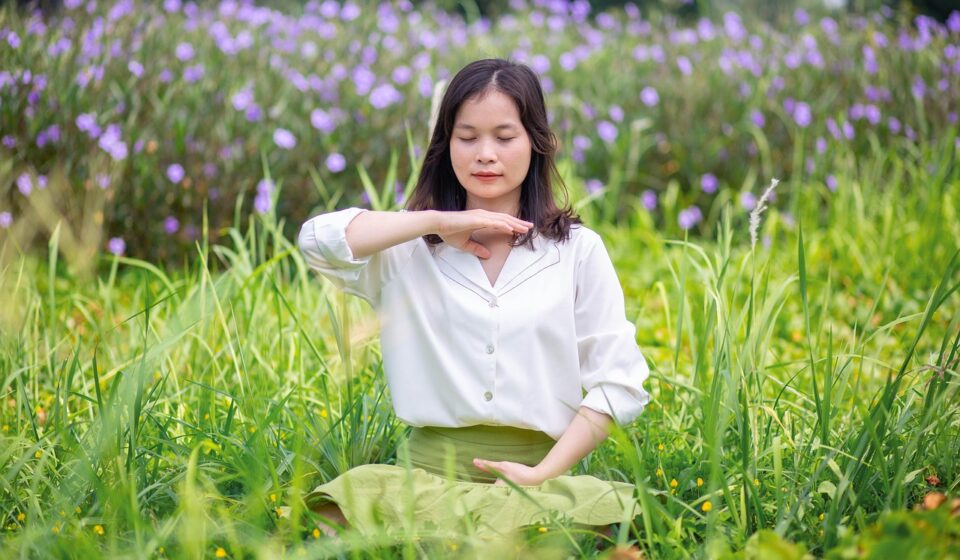
Self care tips for anxiety are most useful when they are practical, repeatable, and clear about their limits. They cannot replace therapy, medication, or medical advice when anxiety is persistent or severe. They can, however, reduce daily friction, calm the body, and make anxious moments easier to manage. Anxiety is common: the National Institute of Mental Health estimates that 19.1% of U.S. adults had an anxiety disorder in the past year, based on diagnostic interview data. For most people, a useful self-care routine is not a dramatic lifestyle reset. It is a small set of choices around sleep, movement, breathing, clothing comfort, food, social support, and planning that can be repeated even on stressful days.
Think of self care as a support system, not a test of willpower. The aim is not to force yourself to feel calm on command. It is to give your nervous system fewer avoidable stress signals and more predictable cues of safety.
Start with the body before trying to think your way out
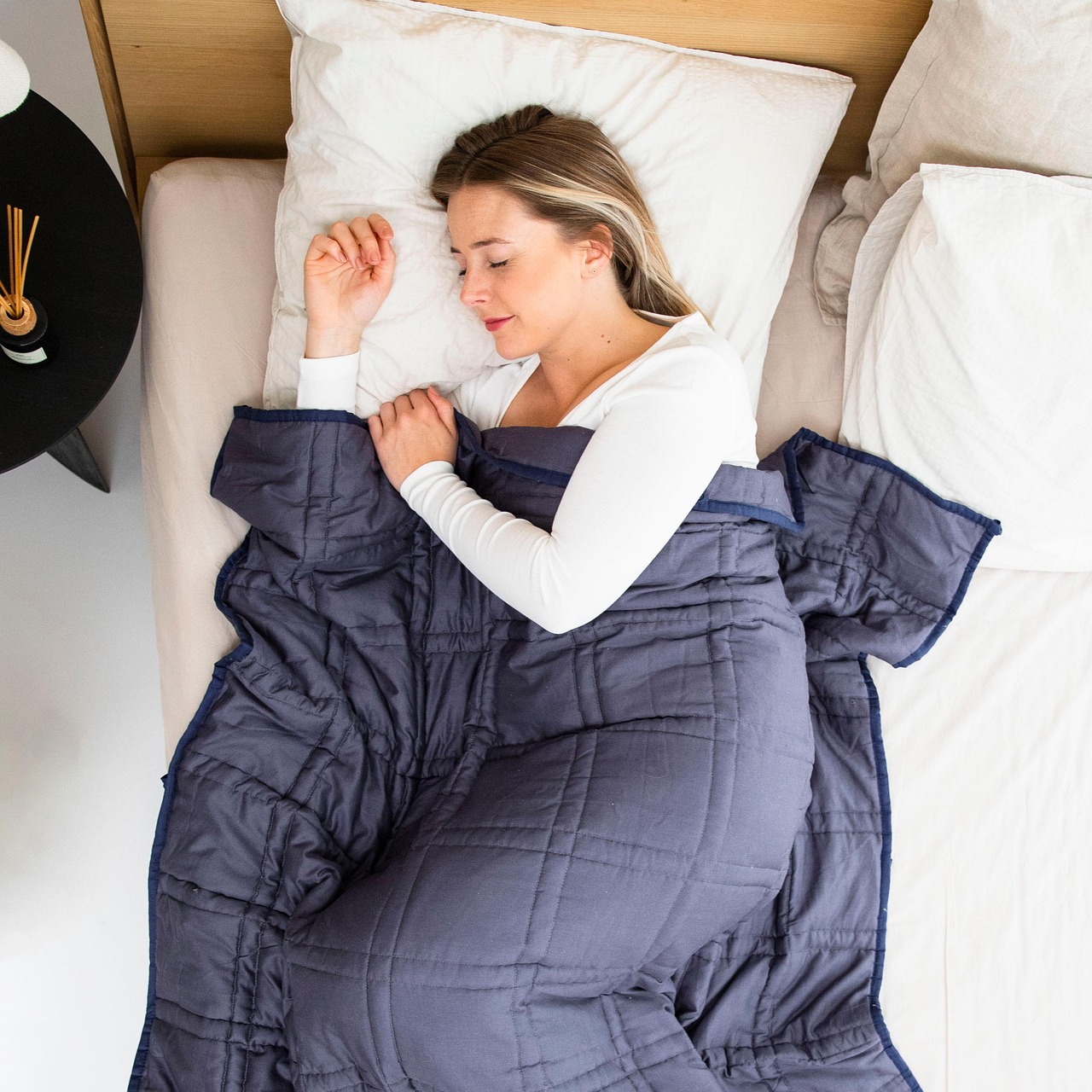
Anxiety often feels mental, but it is also physical. A racing heart, tight chest, shallow breathing, stomach tension, sweating, trembling, and muscle tightness can all make worries feel more urgent. For that reason, body-based self care is often a better first step than trying to argue with every anxious thought.
Organizations such as the Centers for Disease Control and Prevention, the American Psychological Association, Mayo Clinic, and NIMH all point to simple stress-management habits such as sleep, movement, breathing, mindfulness, and social support. These tools are not instant cures, but they can reduce arousal enough to help you choose your next step more clearly.
Use breathing as a reset, not a cure
Breathing exercises can help when anxiety makes your body feel activated. A simple approach is to inhale gently through the nose, exhale slowly, and make the exhale a little longer than the inhale. You do not need to count perfectly. If counting makes you more tense, place one hand on your chest and one on your abdomen and notice the movement of each breath.
Use breathing as a reset button, not as proof that you are failing if anxiety does not disappear immediately. Even a 60-second pause can create enough space to avoid sending a rushed message, making an impulsive purchase, skipping a meal, or spiraling into more worry.
Move gently enough to repeat
Regular physical activity is widely recommended as a stress reducer, but anxious people often hear that advice as another performance demand. It does not have to mean an intense workout. A ten-minute walk, light stretching, slow yoga, dancing to one song, or walking around the block before opening your inbox can all count as movement.
Choose the smallest version that you can repeat. If anxiety has already drained your energy, a short walk in comfortable shoes may be more useful than a workout plan that feels impossible. For most everyday self-care routines, consistency matters more than intensity.
Build an anti-anxiety routine around sleep, food, and caffeine
Sleep, meals, hydration, caffeine, alcohol, and screen habits can influence how anxiety feels in the body. They do not cause every anxiety problem, and improving them does not mean symptoms are your fault. Still, these basics are worth checking because they are common pressure points in daily life.
Keep sleep simple and consistent
Sleep and anxiety can create a difficult loop. Anxiety can make it harder to fall asleep, and poor sleep can make worries feel more intense the next day. Instead of chasing a perfect evening routine, start with two consistent cues: a similar wake time most days and a short wind-down period before bed.
A practical wind-down might include dimming the lights, changing into soft sleepwear, putting your phone away from the bed, writing tomorrow’s top three tasks on paper, and doing a few minutes of slow breathing. If you wake up anxious at night, try not to turn the moment into a full problem-solving session. Keep a notebook nearby for short notes, then return to a low-stimulation activity.
Notice caffeine and alcohol effects
Mayo Clinic notes that caffeine and alcohol can affect anxiety and sleep for some people. This does not mean everyone must eliminate coffee, tea, or an occasional drink. A more realistic step is to track patterns for one week. Notice whether anxiety spikes after a second coffee, an energy drink, late-afternoon caffeine, or alcohol close to bedtime.
If you suspect a connection, experiment gently. Try moving caffeine earlier, choosing a smaller serving, or switching one drink to water or herbal tea. The point is not restriction for its own sake. It is to learn which choices make your body feel steadier.
Use fashion and personal care as calming cues
If style and personal care are part of your daily routine, self care does not have to be separate from what you wear or how you get ready. Clothing, skincare, fragrance, and accessories cannot treat an anxiety disorder, but they can influence sensory comfort and daily confidence. On a high-anxiety day, the wrong waistband, scratchy fabric, tight shoes, or complicated outfit can add unnecessary irritation. The right outfit can remove one layer of stress.
Choose sensory-friendly pieces on high-anxiety days
Many people become more sensitive to touch, heat, and restriction when they feel anxious. If that sounds familiar, build a small anxiety-friendly wardrobe formula. Look for breathable fabrics, soft knits, relaxed waistbands, broken-in shoes, smooth seams, and layers that can be adjusted when your temperature changes.
This is not about giving up style. It is about choosing outfits that do not compete with your nervous system. A soft button-down, wide-leg trousers, a breathable tee, a cardigan, clean sneakers, or a simple dress with a comfortable layer can still look polished while keeping sensory stress low.
Turn getting dressed into a grounding practice
Getting dressed can become a short grounding ritual instead of a rushed decision. Ask three questions: What does my body need today? What is one thing I must do? What outfit will reduce friction rather than create it?
You can also use texture, color, and scent as grounding cues. A familiar scarf, a calming neutral palette, a favorite lip balm, or a light fragrance can become a small reminder that you are in the present moment. Keep it subtle, especially if strong scents or heavy products make you feel overstimulated. See also: buying guides.
For more everyday wellness and routine ideas, visit our care tips section.
Make your environment and schedule less demanding
Anxiety often grows when every task requires a fresh decision. Reducing decision fatigue is a form of self care because it lowers the number of moments when your brain has to sort, compare, predict, and worry.
Create a low-decision morning
Prepare a few choices before anxiety has a chance to take over. Set out a reliable outfit, keep your bag essentials in one place, write down the first task of the day, and decide on breakfast before morning arrives. These small steps can prevent the day from starting with a dozen tiny stressors.
A useful method is the two-option rule. Instead of opening your full closet, choose between two outfits. Instead of debating every possible breakfast, choose between two easy meals. Instead of rewriting your whole to-do list, choose the next one action. Narrowing the field can help anxious thinking settle.
Use transition rituals
Transitions can be surprisingly stressful: waking up, leaving the house, starting work, entering a meeting, coming home, or preparing for sleep. A transition ritual is a short, repeatable action that tells your body what is happening next.
Examples include making tea before opening email, playing the same calming playlist while getting dressed, taking three slow breaths before walking into a room, changing into softer clothes after work, or writing down unfinished tasks before closing your laptop. The ritual does not need to be elaborate. It needs to be predictable.
Know when self care is not enough
Self care is useful, but it has limits. NIMH emphasizes that treatment decisions for anxiety depend on a person’s needs, preferences, medical situation, and consultation with a health care provider or mental health professional. Many people benefit from psychotherapy, medication, or both. Cognitive behavioral therapy, exposure-based approaches, acceptance and commitment therapy, and other evidence-based treatments may be appropriate depending on the type of anxiety and the person’s situation.
Consider reaching out for professional support if anxiety lasts for weeks, worsens, causes panic attacks, disrupts sleep most nights, affects work or school, strains relationships, leads to avoidance of normal activities, or makes it hard to eat, rest, or leave home. Also seek help if you are using alcohol, substances, shopping, restriction, overwork, or isolation to cope in ways that feel hard to control.
If you are in the United States and feel at risk of harming yourself, are in emotional crisis, or need immediate mental health support, call or text 988. If there is immediate danger or a medical emergency, call 911 or go to the nearest emergency room.
A 10-minute anxiety self-care plan
When anxiety is high, long lists can feel overwhelming. Use this short plan as a starting point and adjust it to your needs.
| Time | Action | Why it helps |
|---|---|---|
| Minute 1 | Name what is happening: “This is anxiety, and I can take one small step.” | Labeling the experience can create distance from the spiral. |
| Minutes 2-3 | Slow your breathing and lengthen the exhale. | It gives the body a calming cue. |
| Minutes 4-5 | Drink water or eat a small balanced snack if you have skipped food. | Basic physical needs can intensify stress when ignored. |
| Minutes 6-7 | Change one sensory stressor: loosen a waistband, switch shoes, lower noise, or add a soft layer. | Reducing irritation can lower the overall load. |
| Minutes 8-9 | Take light movement: stretch, walk, or step outside. | Movement helps release physical tension. |
| Minute 10 | Choose the next one action, not the whole life plan. | A narrow next step is easier for an anxious brain to follow. |
This plan is intentionally modest. On difficult days, the most effective self care may be the thing that keeps you safe, fed, dressed comfortably, connected to one supportive person, and able to take the next step.
Frequently asked questions
Can self care really help anxiety?
Self care can help manage everyday anxiety symptoms by supporting sleep, lowering physical tension, reducing overstimulation, and making routines more predictable. It is not a replacement for professional care when anxiety is persistent, severe, or interfering with daily life.
What is the fastest self care tip for anxiety?
A fast starting point is to slow your exhale, relax your shoulders, place your feet on the floor, and name one next action. This does not erase anxiety, but it can reduce the feeling of being swept away by it.
What should I wear when I feel anxious?
Choose clothing that reduces sensory stress: soft fabrics, breathable layers, comfortable shoes, and waistbands that do not dig in. If you need to look polished, create a go-to outfit formula that feels both comfortable and appropriate for your day.
When should I seek help for anxiety?
Seek professional support if anxiety lasts for weeks, gets worse, causes panic attacks, disrupts sleep, affects work or relationships, or leads you to avoid normal activities. If you feel unsafe or at risk of self-harm in the United States, call or text 988 for immediate crisis support.