Custom logo apparel trends and buying criteria for practical brand programs in 2026

What custom logo apparel needs to do in 2026
Custom logo apparel works best when it is planned as a wearable product, not as a blank garment that receives a logo at the last minute. In 2026, stronger programs are built around comfort, repeat wear, intentional logo placement, and claims that can be documented. Most buyers are looking for practical answers: which garment to choose, how to decorate it, which trends matter, and where the main risks sit before budget is committed. For related category coverage, see our apparel products section.
The market is moving away from quantity-first giveaways and toward apparel people can use at work, at events, while traveling, or in casual settings. That shift puts more weight on fabric selection, decoration method, sizing, and the fit between the garment and its intended audience.
Why apparel remains central to branded merchandise
Apparel has a practical advantage over many promotional categories because it is visible, reusable, and tied to identity. PPAI’s 2024 Sales Volume Report, published in 2025, placed apparel at 26.6% of U.S. promotional product distributor sales volume, making it the leading product category in that report. PPAI’s 2025 consumer research also listed wearables/apparel as the most kept and used branded merchandise category, with wearables/apparel shown at 55% in its top kept branded products infographic. (flipbook.ppai.org)
Those figures do not mean every logo shirt or hoodie will be worn. They show that apparel has strong potential when the item is useful enough to stay in rotation. A low-cost shirt that loses shape, an uncomfortable uniform layer, or an oversized logo in the wrong setting can reduce that value quickly.
For brand teams, the better buying question is not “How many pieces can we order?” It is “Which pieces will people choose to wear after the event, onboarding day, or campaign launch?” That change usually leads to better garment choices, clearer sizing plans, stronger artwork decisions, and more responsible sustainability communication.
Four trends shaping custom logo apparel programs
Retail influence is raising expectations
Buyers and recipients increasingly compare branded apparel with products they would buy from a regular retail rack. ASI’s January 2026 show-floor coverage from ASI Orlando described retail-influenced cuts, cozy fabrics, creative decoration, and continued athleisure influence as visible directions in promotional apparel. It also noted that business casual corporate apparel has moved toward comfort-focused styles since the pandemic. (members.asicentral.com)
This does not mean every program needs fashion-forward silhouettes. It means even basic pieces need to fit well, feel good, and work beyond a single event. Midweight fleece, softer cotton blends, performance polos, relaxed tees, quarter-zips, overshirts, caps, and layered pieces can all support different brand contexts when they match the wearer’s actual environment.
Decoration is becoming more strategic
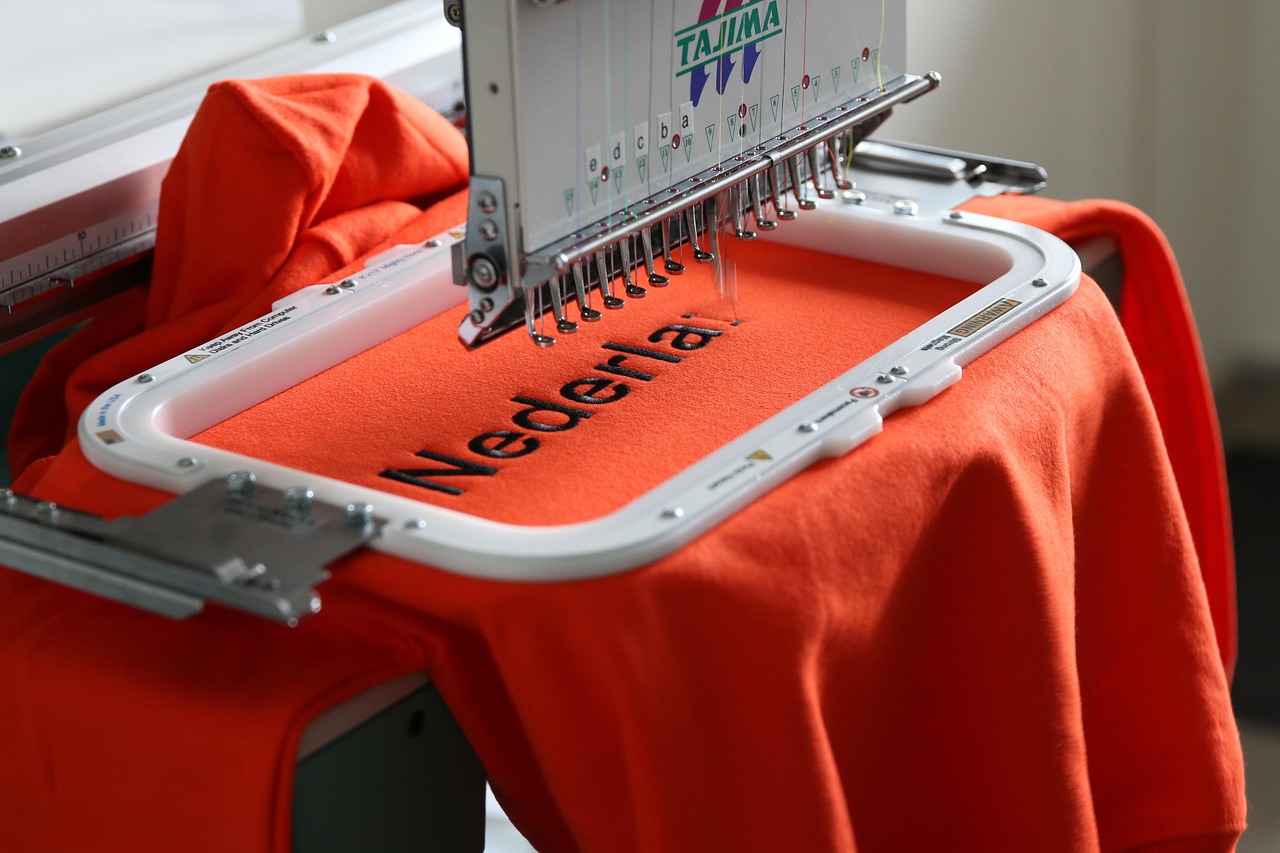
The decoration method now affects both appearance and perceived value. A large screen print may be right for a run, festival, or youth campaign. Embroidery can be a better fit for polos, caps, jackets, and professional settings. Direct-to-film, heat transfers, direct-to-garment printing, patches, woven labels, and tonal decoration each solve different production and design problems.
PRINTING United Alliance and NAPCO Research’s Spring 2024 State of Decorated Apparel executive summary reported that surveyed companies expected digital technologies to account for 47.1% of apparel decoration by 2026, compared with 33.4% at the time of the report and 23.8% two years earlier. The takeaway is not that digital methods replace every other process. It is that buyers have more viable options for shorter runs, complex artwork, and variable designs. (printing.org)
Comfort and durability matter more than novelty
Novelty can attract attention, but apparel still has to survive ordinary wear. A successful custom logo apparel program should consider shrinkage expectations, hand feel, colorfastness, seam strength, pilling risk, and whether the decoration may crack, peel, distort, or feel too heavy. These details are less visible than color palettes, but they determine whether the garment stays in use.
Durability also affects sustainability claims. A garment worn 30 times is more valuable than one worn once, even if the first item has fewer buzzwords on the spec sheet. In many promotional apparel briefs, unit price is compared before likely use life. That can lead to poor value even when the initial cost looks attractive.
Lower-volume and segmented programs are becoming more practical
Custom logo apparel does not have to mean one style for everyone. Different teams, climates, roles, and events may need different garments. A field team may prefer breathable polos or outerwear. A creative team may wear heavyweight tees. Executives may favor understated embroidery, while event volunteers may need bright shirts that are easy to identify.
Digital decoration and broader blank apparel catalogs make segmentation more practical, but they also require discipline. Too many variants can complicate sizing, inventory, approvals, and reorders. The goal is not endless personalization. It is targeted relevance within manageable production rules.
How to choose the right garment before adding a logo
The garment should be selected before the logo method is finalized. Fabric weight, stretch, texture, nap, seam placement, and color all influence decoration results. A design that looks clean on a smooth cotton tee may not perform the same way on ribbed fabric, fleece, softshell, or performance polyester.
| Use case | Garment direction | Logo approach | Main risk to check |
|---|---|---|---|
| Corporate uniforms | Polos, button-downs, quarter-zips, softshell jackets | Embroidery, woven patches, tonal marks | Overly large logos can reduce professional wearability |
| Events and launches | Tees, caps, lightweight hoodies, volunteer shirts | Screen print, digital print, transfers | Artwork may be too complex for budget or deadline |
| Employee gifts | Fleece, premium tees, overshirts, relaxed hoodies | Subtle embroidery, sleeve marks, labels, patches | Poor sizing range can limit actual use |
| Outdoor or field work | Performance polos, vests, jackets, moisture-management layers | Embroidery, heat transfer, reflective details where appropriate | Decoration must withstand washing and work conditions |
| Retail-style merch | Heavyweight tees, pigment-dyed pieces, caps, cropped or relaxed fits | Art-led graphics, woven labels, small chest marks | Trend-led colors may age faster than core neutrals |
Good garment selection starts with five questions: Who will wear it? Where will they wear it? How often should it be used? What level of brand visibility is appropriate? What washing or work conditions will it face? If the answers are unclear, the safest choice is usually a versatile garment in a restrained color with decoration that does not dominate the piece.
Logo placement and decoration choices that change perceived value
Logo size is one of the most important creative decisions in custom logo apparel. Bigger is not always better. A large center-chest logo can be effective for event staff or fan merchandise, but a small left-chest embroidery, sleeve mark, hem label, back-neck print, or tonal patch may be more wearable in daily life.
Screen printing remains useful for bold graphics and larger quantities. Embroidery adds texture and durability, especially on caps, polos, and outerwear, but it can distort fine details or feel heavy on lightweight fabrics. Direct-to-film and other transfer methods can handle color-rich artwork and varied fabric types, but buyers should request wash testing expectations and confirm the hand feel. Direct-to-garment printing can suit soft prints and complex artwork on compatible fabrics, but garment composition and pretreatment can affect results. See also: care tips.
A practical artwork review should include minimum line thickness, logo simplification, thread count or color limits, print area, placement tolerance, and whether the artwork still reads from a normal viewing distance. Many weak apparel programs fail because a brand mark designed for a website or presentation slide is applied to fabric without adaptation.
Fabric, certification, and sustainability claims need precision
Sustainability language is an area where custom logo apparel buyers need to be careful. In the United States, the FTC Green Guides advise marketers not to make broad, unqualified general environmental benefit claims such as “green” or “eco-friendly.” The safer approach is to describe the specific attribute, such as recycled polyester content, organic cotton content, reduced packaging, or a certified process, only when evidence is available. (ftc.gov)
Certification terms also need precision. OEKO-TEX Standard 100 is a label for textiles tested for harmful substances, from yarn to finished product, according to OEKO-TEX. GOTS labeling is designed for certified organic textiles and supports accurate communication about certified organic-fiber content and certified supply chains. USDA guidance states that textiles meeting GOTS may be sold as organic in the U.S. These are not interchangeable claims. Buyers should verify certificate numbers, scope, and whether the claim applies to the whole garment or only to a component. (oeko-tex.com)
For practical buying, the strongest sustainability position often combines three elements: a garment people will actually keep, a specific material or certification claim that can be verified, and a decoration method appropriate to the garment’s expected life. A vague claim on a disposable item is weaker than a modest, well-supported claim on apparel with real repeat-use potential.
A practical checklist for custom logo apparel orders
Before approving production, buyers should review the order as a product program rather than a single decorated item. The checklist below helps reduce common mistakes.
- Audience fit: Match garment type to wearer role, climate, age range, and dress context.
- Size planning: Offer a realistic size range and consider unisex, men’s, women’s, or relaxed fits where appropriate.
- Fabric testing: Check hand feel, opacity, shrinkage expectations, stretch recovery, and wash instructions.
- Decoration compatibility: Confirm that the logo method suits the fabric, color, texture, and use case.
- Artwork adaptation: Simplify fine details, adjust contrast, and create apparel-specific versions of the mark.
- Sample review: Review a physical sample or pre-production proof when budget and timeline allow.
- Claim evidence: Keep documentation for recycled content, organic content, certifications, and restricted-substance claims.
- Reorder logic: Confirm whether the blank style, color, and decoration setup will be available later.
- Packaging and distribution: Plan labeling, individual packing, event distribution, or employee shipment early.
- Use-life goal: Define what success means: event visibility, employee adoption, customer retention, or retail-style resale.
This checklist may look basic, but it creates a more reliable brief. Suppliers, decorators, designers, and brand managers make better decisions when the program goal is specific.
Frequently asked questions
What is custom logo apparel?
Custom logo apparel is clothing decorated with a brand name, logo, message, artwork, or campaign identity. It can include T-shirts, polos, hoodies, caps, jackets, uniforms, fleece, workwear, and retail-style merchandise.
Which decoration method is best for custom logo apparel?
There is no single best method for every order. Screen printing works well for bold graphics and larger runs, embroidery suits professional apparel and caps, and digital or transfer methods can support detailed artwork and shorter runs. The right choice depends on fabric, artwork, quantity, deadline, budget, and expected wear.
How large should a logo be on apparel?
The logo should be large enough to be recognizable but appropriate for the setting. Event shirts can use larger graphics, while employee gifts, uniforms, and premium pieces often benefit from smaller, more subtle placement.
Are sustainable custom apparel claims reliable?
They can be reliable when they are specific and documented. Buyers should avoid vague wording and verify whether a claim applies to the full garment, a fabric component, the dyeing process, packaging, or a certification scope.
What makes custom logo apparel more likely to be worn?
Comfort, fit, fabric quality, useful styling, appropriate color, and tasteful logo placement all increase repeat use. The most effective piece feels like clothing first and advertising second.
The bottom line for 2026 programs
Custom logo apparel in 2026 is less about putting the biggest possible mark on the cheapest possible blank and more about developing wearable brand assets. Promotional product research supports apparel’s importance, but results still depend on execution. A practical program starts with the wearer, chooses a garment that fits real use, applies decoration that suits the fabric, and uses only claims that can be supported.
That approach may reduce impulse decisions, but it usually improves the final result. When custom apparel is comfortable, credible, and visually restrained enough for repeat wear, it becomes more than a giveaway. It becomes a small but visible part of how a brand is experienced in everyday life.