Fashion apparel trends in 2026 focus on value, materials, and flexible design
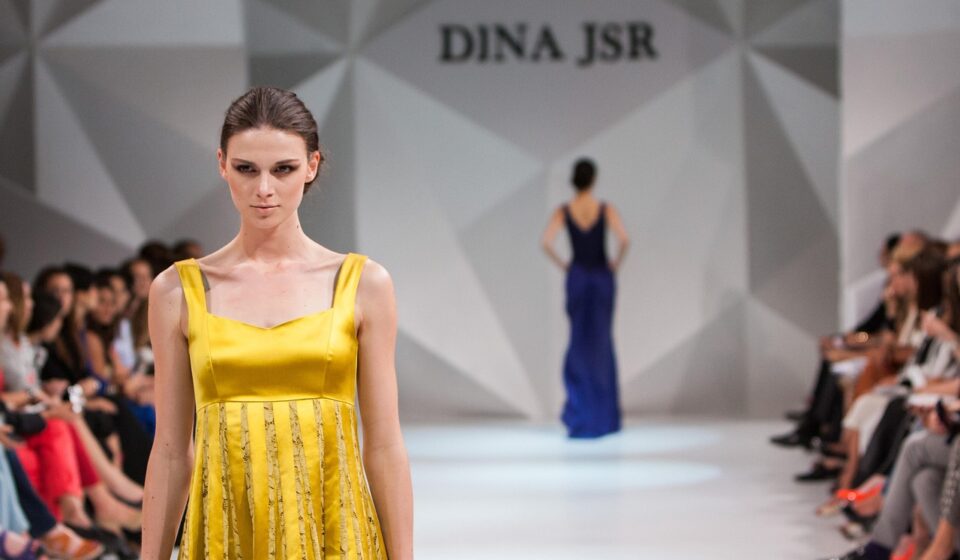
Fashion apparel in 2026 is moving in several directions at once. Shoppers still want style, identity, comfort, and newness, but many are weighing price, durability, versatility, and material claims more carefully before they buy. For apparel brands, retailers, and product buyers, the message is practical: collections need to look current without feeling disposable, and product stories need enough detail to earn trust. Retail forecasts, fashion industry reports, and materials data point to a market where growth is still possible, but harder to win through trend speed alone.
For more coverage of clothing categories, product ideas, and market updates, visit the apparel products section.

Why fashion apparel demand is becoming more selective
Consumer demand for fashion apparel remains active, but it is more selective than it was when novelty and easy online growth could carry weaker assortments. In March 2026, the National Retail Federation forecast that U.S. retail sales would grow 4.4% over 2025 to reach about $5.6 trillion, using a model developed with Oxford Economics. That projection suggests a resilient consumer environment, but it does not mean every apparel category, channel, or price tier benefits equally.
Apparel is a discretionary purchase for many households. When shoppers face higher living costs, tariff-related price adjustments, or uncertainty about income, they often delay nonessential purchases, look for promotions, or choose pieces that work across more than one occasion. In this environment, value in fashion apparel means more than a low ticket price. A garment can feel valuable because it is durable, easy to style, seasonless, comfortable, size-inclusive, or suitable for work, travel, and casual wear.
Industry reports also indicate that fashion executives are planning for a tougher operating environment. The Business of Fashion and McKinsey’s State of Fashion 2026 report described the industry mood as challenging, with tariffs, demand shifts, and margin pressure among the issues affecting planning. For product teams, that makes assortment discipline more important. Overbuying narrow trend pieces can create markdown risk, while underinvesting in newness can make a brand look stale.
Value-led style is changing product planning
The most important apparel shift is the rise of value-led style. This does not mean plain basics will replace fashion. It means shoppers are asking whether a garment earns its place in the wardrobe. A jacket with a cleaner fit, better lining, practical pockets, and styling flexibility may outperform a louder piece that photographs well but has limited repeat wear.
For brands and retailers, this changes how collections should be built. A balanced fashion apparel offer increasingly needs three layers: reliable wardrobe anchors, seasonal updates, and selective statement pieces. Wardrobe anchors include knit tops, trousers, shirts, outerwear, denim, and everyday dresses that can stay in rotation. Seasonal updates bring color, texture, proportion, and styling freshness. Statement items create visual interest and editorial appeal, but they should not dominate the buy unless a retailer has clear evidence of demand.
This structure also supports more careful inventory management. If a brand relies only on fast-moving microtrends, it may face a narrow sales window. If it relies only on basics, it may struggle to create excitement. A stronger approach is to connect trend expression to familiar silhouettes and useful occasions. A new color story, for example, can be applied to proven knitwear shapes, or runway-inspired volume can be adjusted into a wearable blouse, skirt, or lightweight jacket.
Materials are becoming a core apparel decision
Material choice is no longer a back-end sourcing detail. It affects price, comfort, care, product claims, durability, and brand credibility. The Textile Exchange Materials Market Report 2025, which covers 2024 data, estimated global fiber production at roughly 132 million tonnes. Polyester remained the largest fiber by production volume, while cotton remained one of the most important natural fibers for apparel. The report also showed that growth in preferred or certified materials does not automatically offset the environmental challenge created by rising total fiber production.
For fashion apparel, material strategy needs to be both commercial and transparent. Polyester can support performance, wrinkle resistance, affordability, stretch blends, and durability, but fossil-based synthetics also attract scrutiny because of resource use and microfiber concerns. Cotton is familiar, breathable, and widely used in apparel, but its impacts vary depending on cultivation, water conditions, certification, and supply chain practices. Cellulosic fibers, wool, linen, and recycled inputs each have their own benefits and limits.
Buyers should avoid treating any single fiber as automatically sustainable or unsuitable. A more useful question is how the material performs in the finished garment. Does it support a longer product life? Is it appropriate for the price point? Can the claim be substantiated? Is the care label realistic for the target customer? Does the fabric recover after wear, resist pilling, hold color, and maintain shape?
What material claims should include
- Clear fiber content instead of vague eco language.
- Recognized certifications where relevant and verifiable.
- Care guidance that helps the customer extend garment life.
- Plain-language explanations of recycled, organic, regenerative, or certified inputs.
- Honest limits, especially when only part of a garment uses a preferred material.
Material transparency is especially important because regulators and consumers are paying closer attention to environmental claims. Even when a brand is not making a formal sustainability promise, imprecise language can create reputational risk. Specific product information is safer and more useful than broad claims such as “green,” “planet-friendly,” or “conscious” without supporting detail.
Fit, comfort, and function are becoming fashion signals
Fashion apparel is increasingly judged by how it feels and functions, not only by how it looks in a campaign image. This reflects the way many consumers now dress across a mixed week of commuting, hybrid work, school runs, travel, social events, and casual settings. Garments that can adapt to those routines have a stronger chance of repeat wear.
Comfort does not have to mean shapeless design. It can come from stretch recovery, adjustable waists, softer linings, breathable fabrics, smooth seams, improved grading, or silhouettes that allow movement. In women’s apparel, this may mean relaxed tailoring, knit dresses, wide-leg trousers, and layered separates. In men’s apparel, it may mean refined casual shirts, lightweight overshirts, stretch chinos, and hybrid outerwear. In youth-oriented categories, comfort often merges with identity through graphics, proportion, color, and styling.
Fit remains one of the biggest reasons apparel succeeds or fails. A compelling fabric or trend story cannot compensate for inconsistent sizing, poor garment balance, or uncomfortable construction. Product teams should treat fit consistency as a brand asset. When shoppers trust a brand’s sizing, they are more likely to buy multiple colors, try related categories, and return for future collections.
Digital discovery is compressing the trend cycle
Social platforms, resale marketplaces, creator content, and image-led search continue to accelerate apparel discovery. A silhouette, color, or styling detail can move quickly from niche inspiration to mainstream expectation. Faster discovery, however, does not always mean faster sell-through. Online attention can be fragmented, short-lived, and difficult to convert into profitable inventory decisions.
This creates a practical challenge for fashion apparel companies. They need to observe trend signals early, but they also need filters. A trend is more commercially useful when it connects to an existing customer need, a proven category, or a broader lifestyle shift. Interest in utility pockets, soft tailoring, or sporty layers may last longer when it reflects how people dress for mobility and comfort. A novelty print or extreme silhouette may still work, but often in smaller quantities or as a visual accent. See also: care tips.
Retailers can reduce risk by separating trend intelligence from trend adoption. Trend intelligence means watching color, fabric, fit, and styling direction. Trend adoption means deciding what to buy, produce, or promote. The first should be broad; the second should be disciplined. This distinction helps teams stay culturally aware without chasing every spike in online attention.
A practical checklist for apparel buyers and product teams
In a more selective market, the strongest fashion apparel decisions combine creativity with evidence. The following checklist can help buyers, merchandisers, and product teams evaluate whether a garment has enough value to justify space in a collection.
| Decision area | Key question | Why it matters |
|---|---|---|
| Customer use | Where and how will the shopper wear it? | Occasion clarity supports better styling, pricing, and merchandising. |
| Material | Does the fabric match the intended function and claim? | Fiber choice affects comfort, durability, care, and credibility. |
| Fit | Is the sizing consistent with the brand’s core customer? | Fit trust can reduce hesitation and support repeat purchase. |
| Trend relevance | Is the trend connected to a broader wardrobe need? | Useful trends have a longer selling window than isolated novelty. |
| Price value | Can the customer understand the price? | Visible quality cues help justify spending in a cautious market. |
| Inventory risk | Can the item sell beyond one short moment? | Versatility can reduce markdown pressure. |
This checklist does not remove the need for design instinct. Fashion still depends on emotion, timing, taste, and cultural relevance. But it does help teams avoid common mistakes: unclear product purpose, unsupported material claims, inconsistent fit, and trend adoption without a customer reason.
What this means for fashion apparel content and merchandising
Because shoppers are making more deliberate decisions, apparel content needs to become more useful. Product pages, editorial posts, category descriptions, and buying guides should explain fit, fabric, styling use, care, and seasonality. A short, specific explanation can be more persuasive than a long block of lifestyle language.
Instead of describing a jacket only as modern or elevated, a retailer can explain that it is lightweight enough for layering, shaped for a relaxed fit, and designed to work with denim, tailored trousers, or a slip skirt. Instead of saying a dress is sustainable, the copy can state the verified fiber content and explain how to care for it. Instead of presenting every product as trend-driven, merchandising can show how new items connect to wardrobe staples.
This approach also supports search visibility. People looking for fashion apparel often want ideas, comparisons, definitions, trend explanations, and practical product guidance. Content that answers those needs naturally can attract readers without forcing keyword repetition. Strong apparel content should help the shopper decide, not simply decorate the page with fashionable adjectives.
Frequently asked questions
What does fashion apparel mean?
Fashion apparel refers to clothing designed with attention to style, fit, trend direction, occasion, and consumer identity. It can include everyday basics, seasonal collections, statement pieces, workwear, casualwear, occasionwear, outerwear, and accessories-related clothing categories.
What is shaping fashion apparel in 2026?
The main forces are selective consumer spending, margin pressure, faster digital trend discovery, closer attention to materials, and demand for clothing that works across multiple occasions. These forces make versatility, fit, credible product information, and inventory discipline more important.
Are sustainable materials the main apparel trend?
Sustainable and preferred materials are important, but they are not the only trend. The bigger issue is responsible material use combined with durability, transparent claims, practical care, and realistic production volumes. A garment should be evaluated by both its material inputs and its useful life.
How can retailers reduce fashion apparel markdown risk?
Retailers can reduce markdown risk by balancing core items with seasonal updates, limiting highly specific trend buys, improving fit consistency, using clearer product data, and choosing materials that support the intended price and use case. Better forecasting helps, but disciplined assortment planning is equally important.
Why is fit so important in apparel buying?
Fit affects comfort, confidence, returns, reviews, and repeat purchases. Even when a garment follows the right trend, poor fit can weaken customer trust. Consistent sizing and thoughtful grading can become a long-term advantage for apparel brands and retailers.
Conclusion
Fashion apparel in 2026 is defined by a more careful balance between creativity and practicality. Shoppers still respond to newness, but they are also asking whether garments are wearable, durable, comfortable, fairly priced, and clearly explained. For brands, retailers, and buyers, the opportunity is not to slow fashion down completely, but to make each product decision more intentional.
The strongest apparel strategies will connect trend direction with real wardrobe value. That means better materials thinking, clearer claims, stronger fit, flexible styling, and more disciplined assortments. In a market where attention moves quickly and shoppers compare more carefully, fashion apparel that combines relevance with usefulness is better positioned to last beyond a single trend cycle.