Snow blower buying guide for choosing the right size and power
Start with the job, not the machine
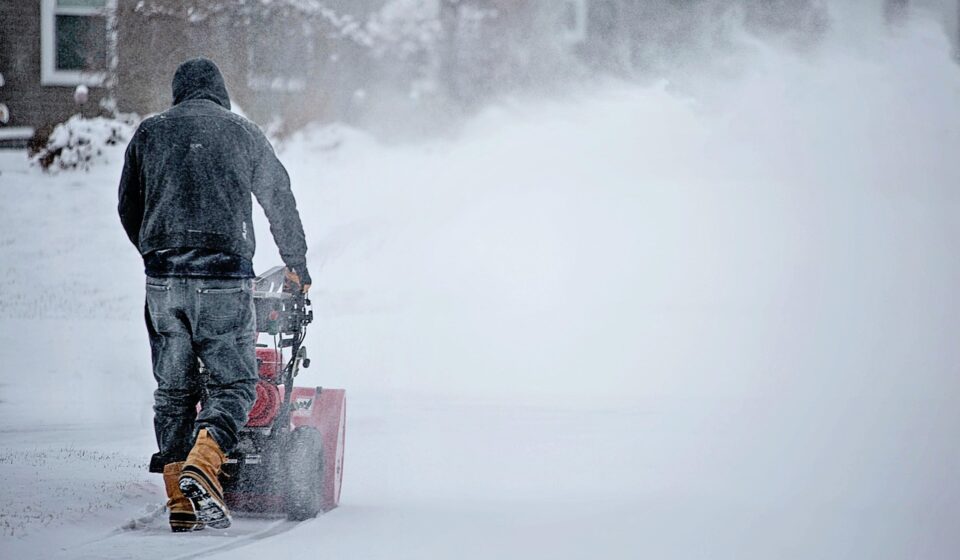
This snow blower buying guide starts with a practical rule: buy for your driveway, surface, and the worst storm you realistically need to clear, not simply for the largest engine or widest intake. A short paved driveway with light, dry snow can often be handled by a single-stage corded electric, battery-electric, or gas model. A gravel driveway, frequent wet snow, a steep slope, or a plow-packed ridge at the street usually points toward a two-stage machine. Battery power is attractive for lower maintenance and quieter operation, while gas still makes sense for long sessions, remote storage, and repeated deep storms. For more practical product decision articles, browse our buying guides.
The right choice is the machine that clears your normal storm without straining the motor, fits through the storage route, and can be serviced or recharged before the next snowfall. Start with snow depth, driveway size, surface type, and the amount of maintenance you are willing to handle.
Understand the main snow blower types
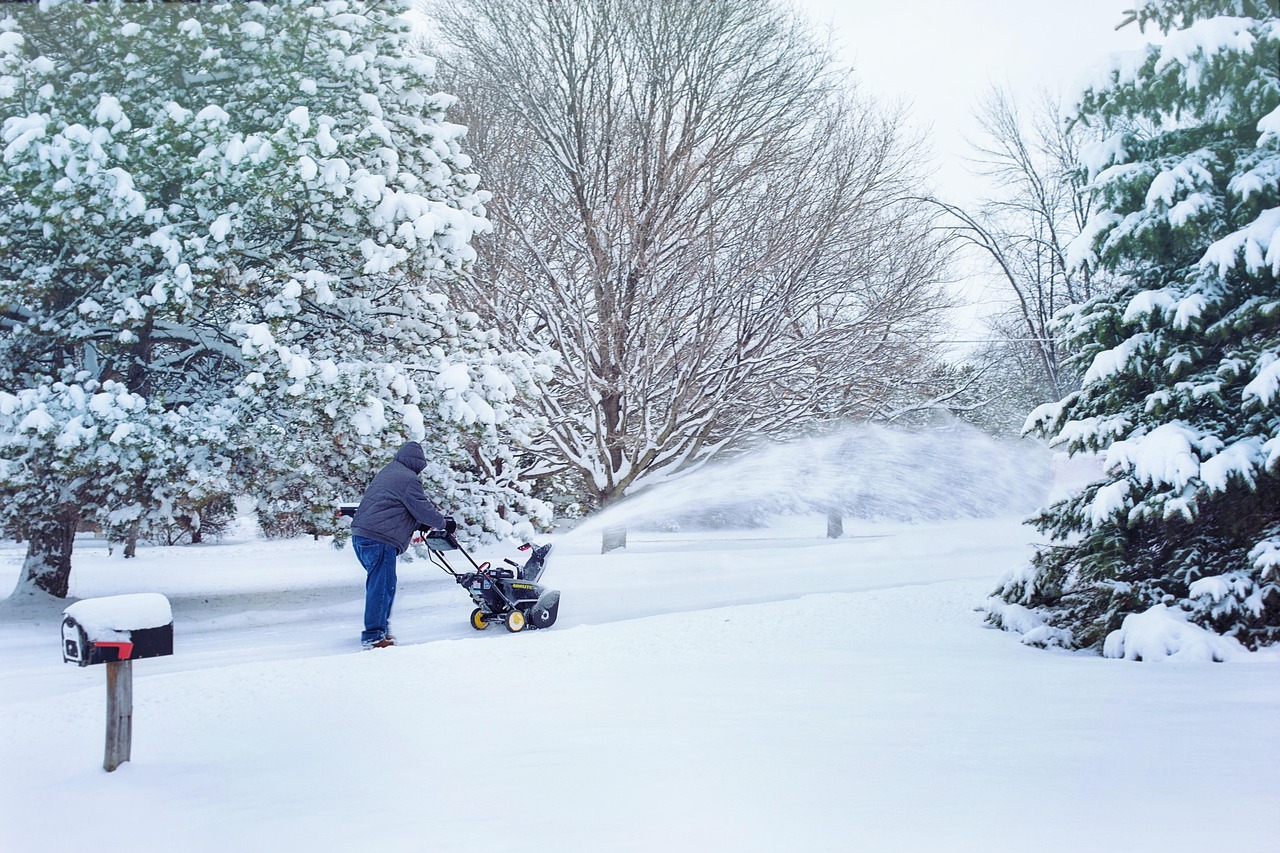
Most residential snow blowers fall into single-stage, two-stage, three-stage, corded electric, battery electric, and gas categories. Independent testing groups and major outdoor power brands use similar groupings because the design affects traction, clearing speed, surface compatibility, and maintenance.
| Type | Best fit | Main limitation |
|---|---|---|
| Corded electric | Small paved walkways, decks, patios, and short driveways near an outlet | Limited by cord length, outlet access, and lighter-duty clearing ability |
| Single-stage battery | Paved driveways with light to moderate snow and owners who want low maintenance | Runtime drops with deep, wet, or icy snow; batteries must be managed well |
| Single-stage gas | Paved surfaces where stronger throw and quick clearing matter | Not suitable for gravel because the auger contacts the ground |
| Two-stage battery | Medium driveways, heavier snow, and buyers who want electric operation with more capability | Higher cost and dependence on battery capacity and charge timing |
| Two-stage gas | Long driveways, gravel, deep snow, slopes, and plow piles | More weight, more maintenance, fuel storage, and louder operation |
| Three-stage gas | Large areas with frequent heavy accumulations and dense end-of-driveway piles | Cost, size, and complexity can be unnecessary for many homes |
A single-stage snow blower gathers and throws snow in one motion, usually with a rubber or plastic-tipped auger that contacts the pavement. That contact helps scrape close to a smooth driveway, but it is also why single-stage machines are a poor match for gravel. A two-stage snow blower uses an auger to collect snow and an impeller to throw it through the chute. Because the housing rides on adjustable skid shoes, the auger can stay above gravel and uneven surfaces. A three-stage design adds an accelerator to move snow more aggressively through the housing, but that extra capability only has value if your snowfall pattern actually demands it.
Match the machine to your driveway and snow pattern
Driveway size and clearing width
Clearing width matters, but wider is not always better. A 21-inch single-stage model can be easy to maneuver around cars and tight sidewalks. A 24-inch two-stage model is a common step up for a two-car driveway, especially if the snow is often heavy or if the municipal plow leaves a compacted ridge. Wider 28-inch to 32-inch machines can reduce the number of passes on long driveways, but they need more storage space and can feel bulky around gates, steps, parked vehicles, and narrow walkways.
Before comparing prices, measure the narrowest point the machine must pass through. Include the garage door, shed entrance, side yard gate, and any turn you must make while pushing or driving the blower. A machine that is powerful but difficult to move out of storage will quickly become a poor fit.
Surface type
Surface is one of the clearest decision points. On smooth concrete or asphalt, a single-stage machine can clear close to the pavement and leave less snow behind. On gravel, dirt, grass, broken pavement, or pavers with raised edges, a two-stage machine with adjustable skid shoes is safer and more appropriate. Set the housing high enough to avoid throwing stones, especially early in the season before a packed snow base forms.
Snow depth and density
Light powder is much easier to move than wet snow, sleet, or compacted plow debris. If storms are usually only a few inches and you can clear soon after snowfall, a lighter model may be enough. If you regularly face 8 inches or more, wet coastal snow, lake-effect bursts, or snow that sits and refreezes, step up in torque, intake height, and traction. Buying for the heaviest common storm is more practical than buying for a rare once-a-decade event, but do not ignore the end of the driveway. The plow ridge is often the hardest part of the job.
Battery, gas, or corded electric
When battery power makes sense
Battery snow blowers have improved enough that many homeowners now consider them first. Their advantages are straightforward: no gasoline storage, no oil changes on electric models, no carburetor issues, quieter starts, and simple seasonal maintenance. They are especially appealing when you already own compatible batteries from the same tool platform.
The trade-off is energy management. Runtime depends on battery size, snow depth, snow density, temperature, chute angle, and how fast you push. Dense wet snow can consume charge quickly. If a two-battery snow blower is sold without batteries, include the cost of batteries and the charger in the real purchase price. For winter readiness, keep batteries charged according to the manufacturer manual and store them in a dry place within the recommended temperature range. Many lithium-ion tool makers advise removing batteries from the machine for storage and avoiding careless long-term charging habits.
When gas still fits the job
Gas snow blowers remain useful for long driveways, heavy snow belts, rural properties, and owners who need to clear repeatedly during a storm. Refueling can be faster than recharging, and large two-stage gas machines are still widely available with strong intake height, large tires or tracks, and long throw distance.
The costs are maintenance and storage. Gas models need fuel care, oil checks or changes, spark plug attention, belts, shear pins, scraper bars, and off-season preparation. Gasoline should be stored safely and used within the period recommended by the fuel stabilizer and engine manual. Also check state and local rules before buying a new gas-powered outdoor machine. Regulations and retail availability can vary, especially in places with small-engine emissions or noise restrictions.
Where corded electric belongs
Corded electric models are best treated as small-area tools. They can be affordable and easy to store, but the cord is a real limitation in snow. Use only an outdoor-rated extension cord that matches the manual, keep the cord behind the machine, and avoid using a corded unit where the path crosses parked cars, public sidewalks, or long driveway runs.
Features worth paying for
Useful features should solve specific problems. They should not distract from stage, power, surface fit, and serviceability. See also: care tips.
- Electric start: Valuable on gas models if pull-starting in freezing weather is difficult.
- Power steering or trigger steering: Helpful on heavier two-stage and three-stage machines, especially at the end of each pass.
- Remote chute control: Saves time when wind direction changes or when you must place snow carefully.
- Heated grips: Worth considering for long sessions in very cold climates, but not essential for short driveways.
- LED headlights: Practical if you clear before work, after dark, or during low-visibility storms.
- Adjustable skid shoes: Important for gravel, uneven pavement, and two-stage machines.
- Track drive: Useful on slopes and uneven ground, though it can reduce maneuverability in tight spaces.
- Drift cutters: Helpful where wind creates tall packed drifts along open driveways.
Pay close attention to the controls. Think about using them while wearing thick gloves. If the chute crank, drive lever, speed selector, or battery latch feels awkward in a showroom, it may feel worse in blowing snow.
Safety, storage, and ownership costs
Safety should influence both the model you buy and how you use it. The U.S. Consumer Product Safety Commission warns that many snow thrower injuries happen when people try to clear the discharge chute or auger with their hands. Choose a machine with a clean-out tool and keep it attached. If the chute clogs, shut the machine down, wait for moving parts to stop, and use the tool, never your hand.
Gas models should never be run in an enclosed garage or shed because of carbon monoxide risk. Refuel outdoors and let a hot engine cool before adding gasoline. For electric and battery models, keep cords, chargers, and battery compartments dry, and follow the manual for storage temperature, charging, and off-season care.
The purchase price is only the first cost. Add likely expenses before deciding between models. Gas machines may need oil, fuel stabilizer, belts, skid shoes, scraper bars, shear pins, and seasonal service. Battery machines may need additional batteries to finish larger jobs, and replacement packs can be expensive. Any machine may need a cover, nonstick chute spray, tire maintenance, or a storage mat to manage meltwater.
Buying checklist and common mistakes
Use this checklist before you buy:
- Measure driveway length, width, slope, and the narrowest storage path.
- Identify your surface: smooth pavement, uneven pavement, gravel, dirt, or mixed areas.
- Estimate typical snowfall, not just annual snowfall. Depth per storm matters more than yearly totals.
- Decide whether you can clear during the storm or only after snow has compacted.
- Price the full system, including batteries, charger, fuel accessories, parts, and delivery.
- Check local dealer or service support if buying a gas or premium two-stage machine.
- Read the manual before first use, especially for chute clearing, shear pins, storage, and battery care.
The most common mistake is buying too small for wet snow and plow piles. The second is buying too large for storage and maneuverability. A third mistake is comparing battery and gas prices without adding batteries, chargers, maintenance, and parts. The right snow blower should make winter clearing faster, but it also has to fit your routine on the coldest, least convenient morning of the year.
Frequently asked questions
What size snow blower do I need for a two-car driveway?
For a short, smooth, two-car driveway with light to moderate snow, a 20-inch to 24-inch single-stage model may be enough. If the driveway is long, sloped, gravel, or often hit by deep wet snow, a 24-inch to 28-inch two-stage model is usually the safer category to compare.
Is a battery snow blower worth it?
Yes, if your driveway size and storm depth fit the machine’s runtime. Battery models are convenient and low-maintenance, but they are not magic. Deep, wet snow and long clearing sessions require higher-capacity batteries, spare packs, or a larger two-stage design.
Can I use a single-stage snow blower on gravel?
It is generally not recommended. Single-stage augers contact the ground, which can pick up and throw stones. For gravel or uneven ground, compare two-stage models with adjustable skid shoes and set the housing high enough to avoid debris.
Do I need a three-stage snow blower?
Most homeowners do not. A three-stage machine can help with heavy accumulations and dense piles, but it also adds cost, size, and complexity. Start by comparing capable two-stage models, then consider three-stage only if your driveway, snowfall, and plow ridge justify the upgrade.
When is the best time to buy a snow blower?
Shop before the first major local storm if possible. Selection often becomes tighter once forecasts drive demand. Early shopping also gives you time to assemble the machine, charge batteries, buy fuel supplies, and learn the controls before you need it.