Ghost apparel is shifting from costume aisle to reusable seasonal fashion

What ghost apparel means now
Ghost apparel refers to clothing and accessories that use ghost motifs, pale spectral graphics, sheet-ghost characters, haunted typography, or softer paranormal references. In this article, the term is used generically, not as a reference to one brand, band, or licensed merchandise line. The category can include T-shirts, hoodies, sweaters, pajama sets, dresses, socks, hats, tote bags, and light costume-adjacent pieces.
The commercial position of ghost apparel has changed. It now sits between Halloween costume, seasonal graphic fashion, spooky-cute styling, gothic streetwear, and cozy fall clothing. A shopper may want something clear enough for October, but still wearable for school, errands, parties, or at-home lounging after Halloween. That makes the category more useful than a disposable costume and more expressive than a plain seasonal basic.
Why demand extends beyond one Halloween night
Seasonal demand gives ghost apparel its first layer of relevance. The National Retail Federation reported on September 22, 2026, that U.S. Halloween spending was expected to reach $13.5 billion in 2026, with shoppers projected to spend $4.4 billion on costumes. The same survey, conducted with Prosper Insights & Analytics from September 1 to September 9, 2026, found that 74% of consumers planned to celebrate Halloween and 50% planned to dress in costume.
Ghost imagery also remains familiar across age groups. In the NRF 2026 costume ranking, 1.6 million children were expected to dress as a ghost, while 1.4 million adults also planned ghost costumes. For pets, ghost was listed among the popular costume choices at 2.8%. These figures do not prove demand for every ghost-print sweatshirt or graphic tee, but they do show that the ghost remains a widely recognized Halloween symbol.
The stronger retail signal is reuse. NRF’s 2026 reporting noted that 34% of consumers planned to look for items they could reuse in future years or repurpose for other occasions. A follow-up NRF analysis published on September 29, 2026, also found that more than half of respondents said they repurpose about half or more of their costume items year to year. That mindset supports apparel that feels seasonal without becoming single-use.
Timing also matters. NRF found that 49% of consumers planned to begin Halloween shopping in September or earlier in 2026, compared with 34% in 2016. For ghost apparel, that extends the selling and styling window. Lightweight tees can appear in late summer, sweatshirts and knits can carry into October, and pajamas, socks, and loungewear can remain useful into winter.
Design directions that make ghost apparel wearable
Minimal ghost graphics
The simplest approach is a small ghost icon on a chest pocket, sleeve, hem, or cap. It works for shoppers who want a seasonal reference without a full novelty look. Minimal designs are also easier to layer under jackets, cardigans, overshirts, or denim pieces. For adults, tonal embroidery or a small off-white print on black, gray, brown, or cream fabric can feel closer to everyday apparel than party merchandise.
Spooky-cute styling
Spooky-cute ghost apparel softens Halloween imagery with rounded shapes, pastel accents, bows, hearts, stars, pumpkins, or hand-drawn lettering. This direction works especially well for sweatshirts, oversized tees, pajama sets, and tote bags. It is less intimidating than horror graphics and can appeal to shoppers who want seasonal outfits for coffee runs, school events, family photos, or casual office celebrations.
Gothic and monochrome looks
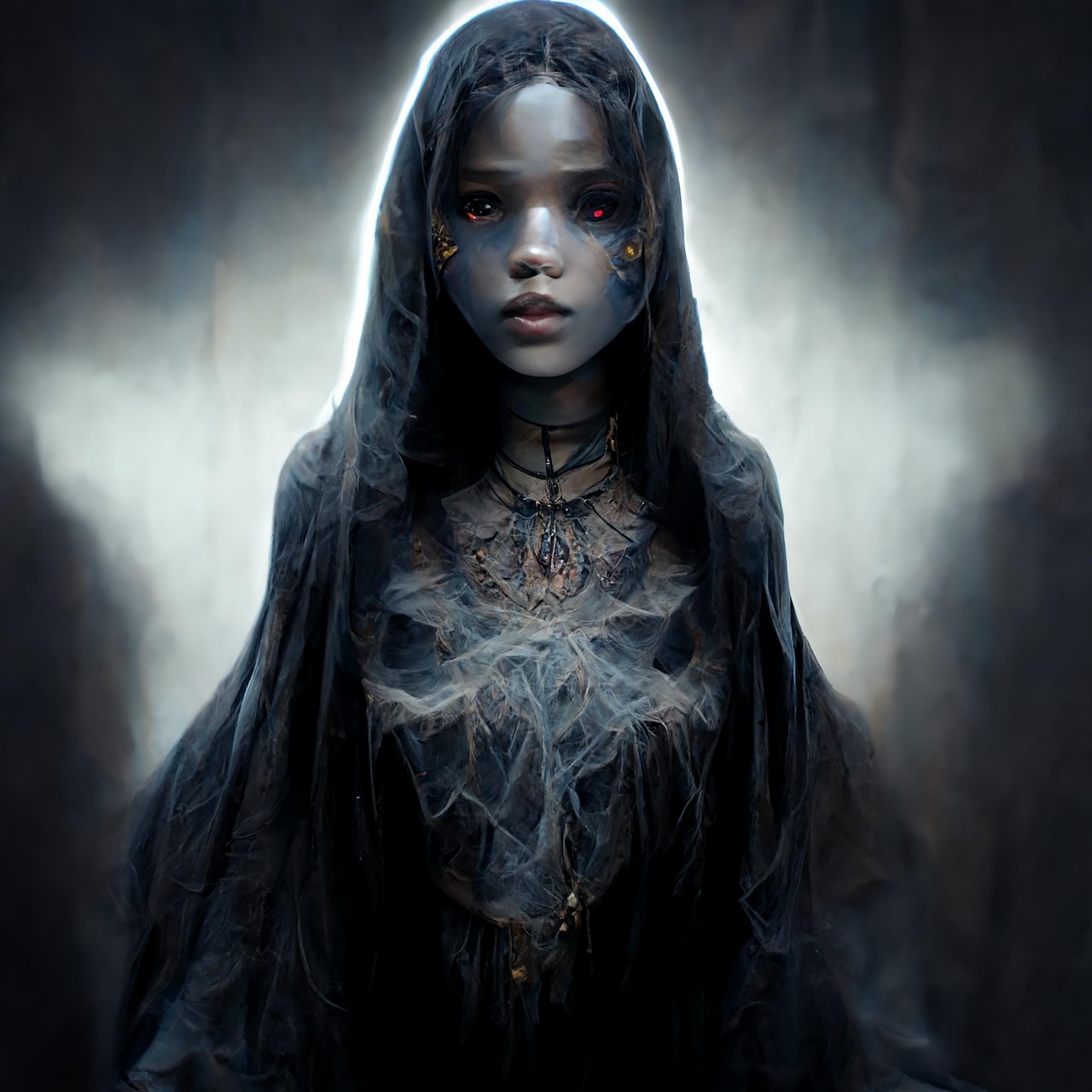
A darker interpretation uses black, charcoal, bone, silver, washed gray, or deep burgundy. Ghosts may appear with cemetery typography, distressed textures, moon imagery, lace effects, or antique-style frames. This direction overlaps with gothic fashion and streetwear, so fabric weight, print quality, and silhouette matter. A heavyweight hoodie with a restrained back graphic will usually feel more durable than a thin costume top with a shiny plastic print.
Cozy fall pieces
Ghost motifs also work naturally on knit sweaters, fleece pullovers, thermal tops, and flannel-adjacent layering pieces. These items do not need to look like costumes. A cream sweater with small black ghosts, a charcoal crewneck with embroidered spirits, or a soft pajama set can satisfy Halloween interest while fitting into a broader fall wardrobe. This is where ghost apparel can become a repeat purchase rather than a one-time novelty.
Accessories and small add-ons
Socks, beanies, scarves, hair clips, pins, tote bags, and crossbody bags help shoppers test the look without committing to a full outfit. Accessories are also practical for people who cannot wear costumes at work or school but still want a visible seasonal detail. For retailers and content publishers, these products can work well as add-ons in buying guides and outfit edits because they solve a smaller, lower-risk styling need.
Ghost apparel versus a ghost costume
The difference between ghost apparel and a ghost costume is not always obvious, but it matters for shopping intent. Someone searching for a costume may want a complete look for October 31. Someone searching for ghost apparel may want clothing that carries a ghost theme while still functioning as normal wardrobe merchandise.
| Feature | Ghost apparel | Ghost costume |
|---|---|---|
| Main purpose | Seasonal fashion, casual wear, layering, or loungewear | A complete character look for Halloween events |
| Typical items | Graphic tees, hoodies, sweaters, pajamas, socks, totes | Robes, sheets, masks, capes, makeup, props |
| Wear window | Late summer through fall, with some pieces usable year-round | Usually concentrated around Halloween parties and trick-or-treating |
| Quality focus | Fabric, print durability, fit, wash care, styling versatility | Visual impact, completeness, safety, comfort during events |
| Best buyer | Shoppers who want a reusable seasonal piece | Shoppers who want a recognizable costume quickly |
This distinction is useful for product naming and editorial coverage. A ghost-print hoodie should not be described like a full costume unless it includes the pieces needed to create that look. Clear wording helps readers and shoppers understand whether they are buying fashion, loungewear, partywear, or a costume component.
How to evaluate ghost apparel before buying
Start with the base garment. A ghost print cannot compensate for poor fabric, weak seams, or an uncomfortable fit. For T-shirts, check whether the fabric is too thin for repeated washing. For sweatshirts, look at ribbing, fleece density, hood construction, and whether the garment holds its shape. For knits, consider whether the ghost pattern is woven, embroidered, appliqued, or printed on top of the fabric.
Next, look at the graphic method. Screen prints can be durable when applied well, but thick novelty ink may crack if the garment is stretched or washed aggressively. Embroidery can feel more premium, although heavy stitching may pucker lightweight fabric. Appliques and patches add texture but should be securely attached. Glow effects, metallic finishes, and novelty coatings may look appealing online, yet they often require more careful washing.
Fit should match the use case. Oversized hoodies and tees work well for streetwear or loungewear, while fitted tops can be easier to layer under blazers, cardigans, or jackets. Children’s ghost apparel needs room for movement, but very long hems, dangling trims, or oversized sleeves can become inconvenient during school events or trick-or-treating. For pet apparel, comfort and mobility should matter more than a photo-friendly shape. See also: care tips.
Labels are not just details. The Federal Trade Commission states that most textile products sold in the United States must disclose fiber content, country of origin, and the identity of the manufacturer or marketer. The FTC’s care labeling rules also require care instructions for covered apparel. For shoppers, those labels help compare cotton blends, polyester fleece, wool blends, and novelty fabrics more accurately.
Retail and content planning for the category
For fashion publishers, buyers, and merchandisers, ghost apparel works best when it is organized by intent rather than by keyword alone. A useful assortment can separate casual graphic tops, cozy sweatshirts, family matching pieces, children’s items, pet items, accessories, and costume-adjacent apparel. That structure reflects how people shop: some want a party outfit, some want school-friendly clothing, and others want an October sweatshirt they can wear repeatedly.
Price sensitivity should also shape the approach. NRF’s September 29, 2026 analysis reported that 79% of shoppers expected tariffs to push Halloween prices higher, while many planned to compare prices, look for coupons, or buy reusable pieces. In practice, that favors clear value messaging. Fabric weight, washability, reuse potential, and styling flexibility are more useful than vague claims about being trendy.
Editorial coverage can help by showing how a ghost item fits into real outfits. A black ghost sweatshirt can be styled with straight-leg denim and boots. A cream ghost sweater can pair with a brown midi skirt or corduroy pants. A spooky-cute tee can work under a flannel shirt. A ghost tote can add a seasonal detail without changing the whole outfit. Readers browsing apparel products benefit from this practical context because it connects a motif to wardrobe decisions.
For product titles and category copy, keep the language specific. “Ghost graphic hoodie,” “embroidered ghost sweater,” “spooky-cute ghost T-shirt,” or “ghost pajama set” is clearer than repeating the same broad keyword. If an item uses a band logo, movie character, game reference, or other recognizable artwork, it should not be treated as generic ghost apparel. Licensed and protected imagery requires separate rights and should be described accurately.
Safety, care, and practical limits
Ghost apparel can be casual fashion, but Halloween-adjacent clothing still deserves practical checks. The U.S. Consumer Product Safety Commission advises shoppers to look for flame-resistant labeling on costumes, masks, beards, and wigs. The agency also notes that flame resistant does not mean fireproof; it means the item should resist burning and extinguish more quickly after removal from an ignition source. This is especially relevant near candles, jack-o’-lanterns, outdoor heaters, and crowded parties.
Visibility is another issue. White ghost garments can be visible in daylight but disappear under certain lighting if paired with pale backgrounds. Black ghost hoodies may look stylish, but they can be hard to see outdoors at night. For children’s trick-or-treat outfits, reflective details, flashlights, or bright accessories can be more useful than relying on the ghost design itself.
Care instructions deserve attention because seasonal graphics are often washed less predictably. Turning garments inside out, using cold water, avoiding high dryer heat, and following the label can help preserve prints and embroidery. For pieces with glow, foil, flocking, sequins, faux fur, or 3D trims, the safest assumption is that they need gentler care than a plain cotton tee.
Frequently asked questions
Is ghost apparel the same as a Halloween costume?
Not always. A ghost costume is usually a complete outfit designed for Halloween events. Ghost apparel is broader and includes everyday clothing with ghost graphics or styling details, such as hoodies, sweaters, T-shirts, pajamas, socks, and accessories.
Can ghost apparel be worn after Halloween?
Yes, especially when the design is subtle, cozy, or aligned with gothic, streetwear, or loungewear styling. Small embroidered ghosts, monochrome graphics, and neutral-color sweaters are easier to wear beyond October than pieces with loud date-specific slogans.
What colors work best for ghost apparel?
Black, white, cream, gray, charcoal, brown, and washed neutrals are the most versatile. Pastels work well for spooky-cute designs, while burgundy, silver, and deep purple can support a darker gothic look. The best color depends on whether the item is meant to be playful, minimal, cozy, or costume-adjacent.
What should shoppers check on children’s ghost clothing?
Look for comfortable fabric, safe movement, clear sizing, proper labels, and trims that do not drag or snag. If the piece is used near Halloween decorations, candles, or outdoor events, flame-resistant labeling and nighttime visibility become more important.
Why is ghost apparel popular with reuse-focused shoppers?
It offers the mood of Halloween without requiring a single-use costume. A ghost hoodie, sweater, pajama set, or tote can support seasonal photos and events while remaining practical for repeat wear, which matches the growing interest in stretching holiday budgets.