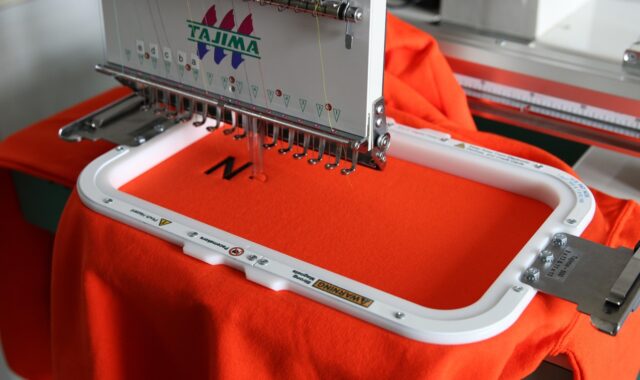
What makes unique apparel valuable in a crowded fashion market
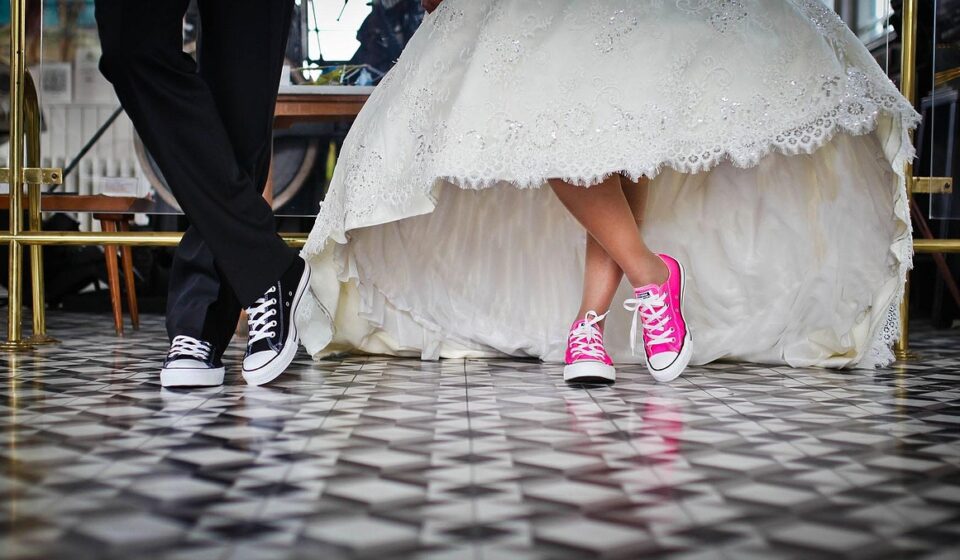
Unique apparel is moving from novelty to value
Unique apparel is not simply clothing that looks unusual. In 2026, the stronger definition is more practical: apparel with a clear point of view. That may come through a distinctive silhouette, a limited production run, a personalized fit, a recognizable material choice, a traceable story, or a styling function that shoppers cannot easily find in mass-market basics.
This distinction matters in a crowded fashion market. Consumers are managing tighter budgets, faster social trends, and more product choice than they can reasonably compare. The most valuable unique apparel gives shoppers a concrete reason to choose one piece over many similar alternatives.

For readers following broader fashion product shifts, our apparel products coverage tracks how design, sourcing, retail behavior, and consumer expectations are changing across the category.
Why shoppers are searching for uniqueness now
The demand for unique apparel sits between self-expression and value. Shoppers still want clothing that feels personal, but many are more selective about what earns a place in their closet. The Business of Fashion and McKinsey’s State of Fashion 2026 report describes a difficult operating environment for fashion companies, shaped by low growth, trade shifts, technology disruption, and price pressure. In that context, uniqueness is not a decorative extra. It becomes part of the value equation.
Several forces are pushing shoppers toward more distinctive choices:
- Personal identity: Clothing remains one of the easiest ways to signal taste, mood, community, or lifestyle without explanation.
- Social discovery: Short-form video, creator styling, and peer recommendations can make recognizable garments travel faster than generic basics.
- Value pressure: When shoppers buy fewer items, they often expect each piece to work harder through styling versatility, quality, or emotional appeal.
- Resale awareness: A garment with recognizable design, brand story, good condition, and desirability may attract more resale interest than an anonymous trend item.
- Personalization expectations: McKinsey’s personalization research has reported that many consumers expect tailored interactions and become frustrated when experiences feel irrelevant, a pattern that also affects how shoppers browse fashion.
This does not mean every shopper wants experimental fashion. For many consumers, unique apparel simply means a better version of a familiar item: a jacket with a sharper cut, a knit with an uncommon texture, denim with a more considered wash, or activewear that works beyond the gym.
What actually makes apparel unique
Uniqueness can come from several parts of the product, but it has to be specific enough for a shopper to recognize. A product description that relies only on words such as stylish, premium, or special does not create meaningful difference. The distinction needs to show up in the garment itself.
| Source of uniqueness | What it looks like in apparel | Why it matters to shoppers |
|---|---|---|
| Design language | Unusual proportions, signature prints, unexpected seams, or recognizable color combinations | Creates immediate visual identity and makes the item easier to remember |
| Fit and function | Adaptive cuts, inclusive sizing, modular details, or garments that move well across occasions | Turns uniqueness into practical comfort, not just appearance |
| Material choice | Textured knits, deadstock fabrics, recycled fibers, technical finishes, or natural blends | Adds tactile difference and can support durability or sustainability claims when verified |
| Production model | Small batches, made-to-order drops, capsule collections, or local manufacturing | Reduces overexposure and can create a stronger sense of ownership |
| Story and provenance | Clear information about inspiration, maker, process, or cultural reference | Gives the garment context beyond trend language |
The strongest pieces usually combine two or more of these factors. A limited-run jacket may feel unique at first, but if the fabric is weak or the fit is awkward, the novelty fades. A simple shirt can become distinctive when the cut is precise, the material is unusual, and the styling options are clear.
Resale and circularity are changing the meaning of distinct style
Resale has made uniqueness more measurable. Shoppers can now see whether certain labels, vintage categories, collaborations, or recognizable silhouettes continue to attract demand after the first sale. ThredUp’s 2026 Resale Report described the global secondhand market as a large and increasingly competitive space, with technology reducing friction across discovery, pricing, and trust. The report also framed resale as a growing part of how consumers manage apparel spending, not only as a secondary shopping channel.
This is important for unique apparel because resale tends to reward garments that remain identifiable. A plain low-quality trend item may lose appeal quickly, while a well-made piece with a recognizable design story can retain interest after the first owner. That does not guarantee resale value, and not every unique item becomes collectible. It does, however, change how shoppers judge a purchase. They may ask whether the piece will still feel relevant after one season, whether it can be repaired, and whether a future buyer could understand its value.
Regulation is also raising the cost of wasteful inventory practices. Since July 19, 2026, large companies in the European Union have been prohibited from destroying unsold clothes, clothing accessories, and footwear under rules connected to the Ecodesign for Sustainable Products Regulation. For brands and retailers, this adds pressure to plan assortments more carefully. For shoppers, it supports a wider expectation that products should be designed, described, and managed with a longer life in mind.
Personalization is making unique apparel easier to find
Digital retail is changing how shoppers discover distinctive clothing. Instead of browsing a full category page of similar items, consumers increasingly expect search, recommendations, and styling tools to narrow choices by size, taste, budget, and occasion. Deloitte’s fashion retail analysis has described next-generation shoppers as moving fluidly across social platforms, online stores, and physical retail while expecting more personalized experiences.
Personalization can help unique apparel because distinctive products often need better matching. A sculptural dress, oversized coat, or embroidered shirt may not appeal to every shopper, but it can be highly relevant to the right one. Better product discovery can connect that item with people actively looking for expressive style, rather than leaving it buried among basics.
Personalization also has limits. Nosto’s consumer research, based on a U.S. and U.K. survey collected from November 13 to 17, 2025, reported that many shoppers were open to online shopping assistants, but irrelevant suggestions caused a large share to abandon the tool and search elsewhere. The lesson for fashion is straightforward: technology can support discovery, but it cannot replace accurate product information, honest visuals, and clear styling context.
How to evaluate unique apparel before buying
Because uniqueness is easy to claim, shoppers need a practical way to judge it. The aim is not to avoid bold garments. It is to separate meaningful distinction from short-lived novelty.
- Check the reason it feels different. Is it the cut, fabric, construction, print, function, or story? If the difference cannot be named, it may be only marketing language.
- Look for styling range. A distinctive piece is more useful when it works with items already in the wardrobe.
- Inspect material and care details. Unusual fabrics can be valuable, but only if the garment can be cleaned, stored, and worn realistically.
- Consider fit from multiple angles. Product images should show front, back, side, length, and movement where possible.
- Be cautious with sustainability claims. In the United States, the Federal Trade Commission’s Green Guides emphasize that environmental claims should be truthful and supported. Shoppers should look for specific material, certification, or process information rather than broad green language.
- Ask whether scarcity is real. Limited edition language is more meaningful when batch size, release model, or production method is explained.
A useful test is simple: would the item still feel interesting if the trend label were removed? If the answer is yes, the garment is more likely to have lasting personal value. See also: care tips.
What brands and retailers should learn from the demand for unique apparel
For fashion brands, unique apparel should not mean producing random statement pieces. It requires discipline. A strong product point of view should connect design, sizing, merchandising, content, and inventory planning.
First, product pages need richer information. Distinctive apparel often underperforms online when shoppers cannot understand scale, texture, weight, transparency, stretch, or care requirements. Clear photography, size notes, fabric composition, and styling examples reduce uncertainty.
Second, drops and capsules should be planned around demand signals, not only visual novelty. Smaller batches can create freshness, but they also require careful forecasting. If a product is too niche, it risks becoming unsold inventory. If it is too diluted, it loses the uniqueness that made it attractive.
Third, inclusive fit should be part of uniqueness. A garment is not truly differentiated if it only works on one body type. Better grading, adjustable details, and honest fit notes can make distinctive design more accessible.
Fourth, brands should treat resale and repair as part of the product story. Durable buttons, replaceable trims, stronger seams, and practical care guidance are not glamorous features, but they help unique garments stay useful for longer.
Finally, retailers should avoid overusing words such as exclusive, iconic, sustainable, or artisan unless they can explain them. The more crowded the market becomes, the more shoppers will reward specificity.
The future of unique apparel is specific, useful, and verifiable
The next phase of unique apparel is unlikely to be defined by loud design alone. The stronger direction is more balanced: products that feel personal, function well, and provide enough information for shoppers to understand why they are different. Fashion consumers are still influenced by culture, creators, and trend cycles, but they are also comparing value, longevity, resale potential, and trust.
That is why unique apparel should be viewed as a product strategy rather than a surface trend. A memorable print may attract attention, but fit, fabric, durability, styling flexibility, and transparent claims determine whether the item earns repeat wear. In a market where shoppers can see thousands of similar garments in minutes, the most valuable apparel is not simply different. It is different in a way the customer can recognize, use, and believe.
Frequently asked questions
What does unique apparel mean?
Unique apparel refers to clothing with a clear point of difference, such as distinctive design, fit, fabric, production method, customization, cultural reference, or product story. It does not have to be extreme or rare, but the difference should be visible and meaningful.
Is unique apparel the same as custom apparel?
No. Custom apparel is made or altered for a specific person, while unique apparel may be ready-to-wear. A limited-run jacket, a distinctive knit, or a vintage-inspired dress can be unique without being custom-made.
Why is resale relevant to unique apparel?
Resale makes product identity more visible. Garments with recognizable design, quality materials, good condition, and a clear story may be easier for future buyers to evaluate. That does not guarantee resale value, but it can influence purchase decisions.
How can shoppers avoid buying novelty pieces they will not wear?
They should check whether the garment fits their existing wardrobe, whether the material and care needs are practical, and whether the distinctive detail still feels appealing without the trend context. The best unique pieces support personal style rather than replacing it.