Caps apparel trends shaping casual wardrobes in 2026

Caps apparel in 2026 at a glance
Caps apparel is becoming a more deliberate part of casual wardrobes in 2026. Caps now sit between sport, streetwear, outdoor function and everyday styling, so they need to be evaluated like apparel rather than as low-value accessories. Fit, crown shape, fabric, branding, care instructions and material claims all influence whether a cap looks current and credible. Market researchers continue to describe headwear as a growing apparel and accessories category, while 2026 fashion coverage shows baseball caps moving across casual, preppy and dressed-down looks. For more related category coverage, visit the apparel products section. (grandviewresearch.com)
Why caps are becoming a planning category
The clearest shift is that caps are now planned as part of the full outfit, not added at the end. A cap can adjust the tone of a hoodie, make a tailored coat feel less formal, add a sports cue to a dress, or make a plain T-shirt look more intentional. That makes the category useful for brands, retailers and readers who follow apparel products because it links styling, function and repeat purchasing.

Market estimates vary by research firm because each report may use different scopes, geographies and category definitions. The useful point is not one exact number. It is that headwear is being measured consistently as a meaningful apparel-adjacent market, with caps remaining a central product type within it.
| Source signal | What it indicates | How to use it |
|---|---|---|
| Grand View Research global headwear report | Estimated the global headwear market at USD 37.0 billion in 2025 and projected growth to USD 62.8 billion by 2033. | Use this as evidence that caps belong in broader apparel and accessories planning, not only promotional merchandise. (grandviewresearch.com) |
| Grand View Research U.S. headwear report | Estimated the U.S. headwear market at USD 7.8 billion in 2025 and projected a 6.4% CAGR from 2026 to 2033. | For U.S.-focused content or assortments, treat caps as a recurring lifestyle category with sport, outdoor and fashion demand. (grandviewresearch.com) |
| Mordor Intelligence headwear report | Reported that caps and hats held 60.70% of headwear market share in 2025. | Use this as a directional signal that caps are one of the key product forms inside headwear. (mordorintelligence.com) |
The cap styles getting real attention
Baseball caps as everyday fashion
The baseball cap remains the easiest entry point into caps apparel because shoppers already understand the shape. In 2026, fashion coverage has shown baseball caps styled beyond gym wear, including with dresses, shirts, skirts and event looks. Vogue France, in an article dated September 10, 2026, framed the baseball cap as a notable back-to-season accessory, while Who What Wear’s 2026 hat coverage continued to show baseball caps as a flexible styling tool. (vogue.fr)
For styling, the key is contrast. A clean cap can make tailoring less formal. A washed cap can make a new outfit feel lived-in. A logo cap can work like a graphic tee for the head, but only when the scale and color are controlled. The more visible the cap, the quieter the surrounding outfit usually needs to be.
Retro sports and two-tone cues
Retro sports styling remains relevant because it gives caps a clear story without requiring complicated design. Two-tone panels, team-inspired lettering, rope details, curved brims and washed cotton all signal familiarity. GQ’s 2026 men’s cap coverage emphasized the variety of shapes, fabrics and fits available in baseball caps, showing how the category has expanded beyond one standard sports silhouette. (gq.com)
Performance and outdoor caps
Performance caps are also influencing casual design. Lightweight nylon, mesh ventilation, moisture-management fabrics, adjustable closures and packable brims are more than technical details; they affect how often a cap is worn. The strongest products balance function with a shape that still works outside sport settings.
Materials and construction now matter as much as logos
Fabric choice is one of the quickest ways to separate a considered cap from a disposable one. Cotton twill gives structure and familiarity. Brushed or garment-washed cotton creates a softer casual look. Nylon and polyester can support packability, water resistance or quick-dry performance. Wool blends can feel premium in colder seasons, but they need clear care communication.
Sustainability claims need special care. Textile Exchange’s Materials Market Report 2024 noted that the market share of recycled fibers decreased from 7.9% in 2022 to 7.7% in 2023, and it also highlighted that blended textiles can create recycling challenges. That means a cap described as recycled, sustainable or circular should be supported by specific information rather than a broad feel-good phrase. (textileexchange.org)
In the United States, the FTC’s Green Guides advise marketers to qualify recycled-content claims when a product is only partly made with recycled material and to avoid misleading environmental claims. For caps apparel, stronger wording often looks like “made with 30% recycled polyester in the crown panels” rather than “eco cap” or “green cap.” (ftc.gov)
- Crown fabric: consider weight, hand feel, shrinkage risk and breathability.
- Front structure: structured fronts look sharper; unstructured fronts feel softer and more casual.
- Brim: curved brims read classic; flatter brims read sportier or more streetwear-driven.
- Closure: snapback, strapback, buckle and fitted constructions each create a different fit experience.
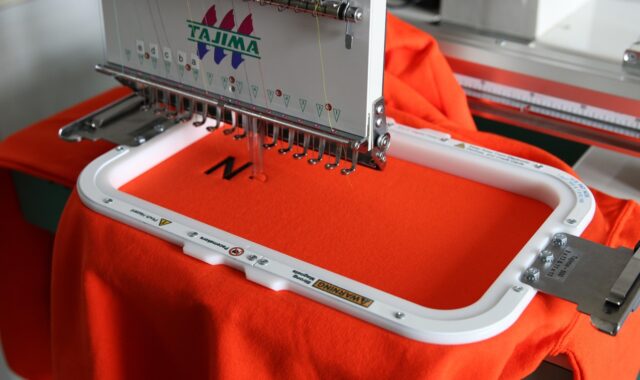
- Decoration: embroidery, patches and prints should be assessed for durability and proportion.
Fit, function and durability checklist
A cap succeeds when it is easy to wear repeatedly. The most common mistake is evaluating only the front logo and ignoring fit. Crown depth affects whether the cap sits low, high or awkwardly above the ears. Brim length affects both face shape and sun coverage. The sweatband affects comfort more than many shoppers realize. These details are small, but they often decide whether a cap becomes part of a weekly rotation.
- Check crown depth: shallow crowns can feel modern but may not work for all head shapes.
- Review seam quality: uneven panels or puckered seams make caps look cheaper than the fabric suggests.
- Test the closure: the adjustment should feel secure without leaving excess strap bulk.
- Assess breathability: mesh, eyelets and lighter linings matter for warm-weather use.
- Match care to fabric: wool, cotton, foam fronts and performance fabrics may require different cleaning guidance.
Performance language also deserves caution. If a cap is marketed for sun protection, cooling, moisture control or weather resistance, the claim should be supported by product testing or supplier documentation. A cap with a brim is not automatically a certified sun-protective product, and a recycled fiber blend is not automatically low impact. See also: care tips.
Compliance signals U.S. sellers should not ignore
For apparel-oriented caps sold in the U.S., labeling is more than a finishing detail. The FTC explains that most textile and wool products need labels showing fiber content, country of origin and the identity of the manufacturer or another responsible business. The FTC’s Care Labeling Rule also requires manufacturers and importers of textile wearing apparel and certain piece goods to provide regular care instructions to purchasers. (ftc.gov)
This article is not legal advice, but it highlights a practical editorial point: readers should be cautious with caps that use vague fiber descriptions, unclear origin information or missing care guidance. Clear labeling supports trust, helps consumers clean the product correctly and reduces the risk of overstated marketing claims.
- Use accurate generic fiber names rather than vague fabric language.
- Keep recycled-content claims specific and qualified.
- Make care instructions accessible before and after purchase.
- Do not describe a cap as performance gear unless the performance attribute is supported.
- Keep country-of-origin information consistent across labels, packaging and product pages.
How to style and merchandise caps apparel without making it generic
The strongest caps apparel stories are built around use cases rather than isolated product shots. For a casual wardrobe, caps can be grouped into three simple lanes. The first is the everyday neutral cap: black, navy, stone, khaki or washed gray. The second is the outfit-finishing cap: a color, logo or texture that deliberately changes the look. The third is the functional cap: breathable, packable or weather-aware.
For editorial and retail planning, these lanes create clearer content angles. A minimalist cotton cap belongs in a capsule wardrobe story. A two-tone sports cap belongs in a retro casual story. A lightweight nylon cap belongs in a travel or outdoor lifestyle story. The same product category can serve different readers when the styling context is specific.
Color is especially important in 2026 because the cap is often the smallest visible item with the biggest styling impact. A muted cap can make an outfit look calmer. A bright cap can create a focal point. A tonal logo can feel premium, while a high-contrast patch can feel more graphic and youth-driven. None of these choices is universally better; each works when it matches the outfit and audience.
Frequently asked questions
What does caps apparel mean?
Caps apparel refers to caps treated as part of the apparel and accessories category rather than as simple giveaways or sports-only items. It includes baseball caps, snapbacks, dad caps, trucker caps, five-panel caps and performance caps when they are selected for style, fit, material and function.
Are baseball caps still relevant in 2026?
Yes. Current fashion coverage in 2026 continues to show baseball caps in casual, preppy, sports-influenced and streetwear looks. The key change is that styling has become more flexible: caps are now worn with tailoring, dresses, relaxed separates and outdoor-inspired outfits, not only with athletic wear.
What fabric is best for everyday caps?
There is no single best fabric. Cotton twill is familiar and versatile, washed cotton feels relaxed, polyester and nylon can support performance features, and wool blends can work for cooler seasons. The better question is whether the fabric matches the intended use, care expectations and marketing claims.
How should brands discuss sustainable caps?
Brands should use specific, verifiable wording. Instead of broad claims such as “eco-friendly,” it is safer and more useful to state the material, percentage and component involved, such as recycled polyester in the crown or organic cotton in the shell, when those claims can be documented.