How apparel products are changing in 2026 for value, fit and circularity
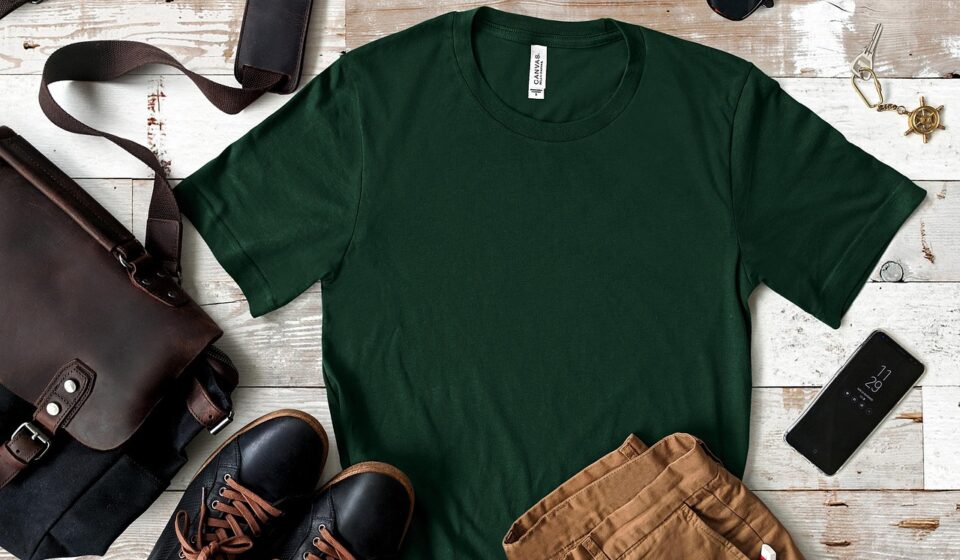
Apparel products now compete on value, not just novelty
Apparel products in 2026 are being judged less on short-lived novelty and more on whether they are worth buying, wearing, keeping and, in some cases, reselling. Industry reports point to a more selective shopper mindset. Consumers still want style, but they are looking more closely at durability, fit, function, price and product information before they buy.
That shift matters across everyday tops, denim, outerwear, activewear, occasionwear and fashion basics. For retailers, brands and content publishers, the product story now needs stronger proof of value. A garment is not only a color, silhouette and price. It also reflects material choices, fit decisions, care requirements, sourcing exposure, compliance information and long-term usefulness.
Fashion by Informa’s 2026 US Fashion Consumer Outlook, released in February 2026 and based on a December 2025 survey of 1,032 US consumers, reported that 66% of consumers ranked value for money as their top fashion shopping priority, while only 10% chose trendiness. The same report described value as a mix of durability, quality and brand desirability, not simply a discount message.
This does not mean trend-driven apparel has disappeared. It means trend has to carry more weight. A seasonal blouse, graphic T-shirt or wide-leg trouser may still catch attention, but shoppers increasingly ask whether it fits into real routines, survives repeated wear and works with what they already own. The buying question has shifted from “what is new?” to “why is this worth adding?”
What counts as apparel products in a modern assortment
The phrase apparel products usually refers to wearable clothing items rather than beauty, jewelry, bags or hard accessories. In practical fashion merchandising, the category can still be broad. It covers staple garments, seasonal fashion pieces, performance-led clothing and occasion-based products. Footwear and accessories are often reported alongside apparel in industry data, but they remain separate product groups unless a retailer combines them for reporting or merchandising purposes.
| Product group | Typical examples | What shoppers evaluate |
|---|---|---|
| Everyday basics | T-shirts, tanks, shirts, sweatshirts, leggings | Fabric feel, opacity, shrinkage, wash durability and price per wear |
| Bottoms | Jeans, trousers, skirts, shorts, joggers | Fit, rise, stretch recovery, pocket design and styling flexibility |
| Outerwear | Jackets, coats, blazers, vests | Weather function, lining, warmth, tailoring and longevity |
| Active and comfort wear | Sports tops, yoga pants, hoodies, technical layers | Mobility, breathability, fabric performance and body comfort |
| Occasion apparel | Dresses, suits, formal shirts, evening separates | Fit accuracy, finish, material quality and repeat styling potential |
| Work and uniform apparel | Polos, work shirts, protective layers, corporate wear | Durability, easy care, compliance needs and consistent sizing |
For SEO and editorial planning, this category map is useful because “apparel products” is a broad search term. A helpful article should do more than define the phrase. It should explain how the category is changing for readers who may be sourcing products, comparing fashion categories, building a retail assortment or improving product descriptions.
Fit and function have become commercial risk factors
Fit has become one of the clearest pressure points in apparel. Fashion by Informa’s 2026 report found that 64% of consumers cited size and fit as their top concern when shopping for fashion. The issue is especially important online, where shoppers cannot test movement, fabric recovery or proportions before purchasing.
Fit problems are not limited to size labels. Two garments marked medium can feel different because of fabric stretch, pattern grading, shoulder width, inseam length, rise, sleeve shape or intended silhouette. A relaxed shirt, a cropped jacket and a compression legging each need a different kind of explanation. The more specific the product, the more important the product information becomes.
Useful apparel content should include details that help shoppers predict real wear:
- Fabric composition and whether the material has stretch.
- Fit intent, such as slim, relaxed, oversized, cropped or compression.
- Key measurements, especially inseam, rise, body length, sleeve length and chest width.
- Care instructions that affect shrinkage, color retention or shape.
- Use case, such as commuting, travel, layering, office wear, gym wear or occasion dressing.
From an editorial perspective, fit is also a content opportunity. Instead of describing a garment only as “comfortable” or “versatile,” stronger writing explains why it may feel comfortable and where it performs best. A cotton jersey tee, a ribbed modal top and a polyester performance shirt may all be basics, but they behave differently during washing, heat, movement and layering.
Price pressure is reshaping sourcing and product architecture
Apparel products are highly exposed to global sourcing changes because many garments are assembled through multi-country supply chains. Fabric, trims, labels, packaging and final assembly may involve different suppliers before a product reaches a store or marketplace. That complexity makes cost shifts harder to absorb.
The United States Fashion Industry Association’s 2026 sourcing outlook described 2025 as a year dominated by tariff disruption and continuing sourcing uncertainty. Its public summary said Asian suppliers remained central to US apparel sourcing, with the top seven suppliers including China, Vietnam, Bangladesh, Cambodia, India, Indonesia and Pakistan. The same summary said these seven suppliers shipped 78% of apparel imports, while China remained the top supplier by quantity and Vietnam the top supplier by value.
Associated Press reporting from April 2025, citing the American Apparel & Footwear Association, noted that about 97% of clothes and shoes purchased in the United States were imported. For apparel product planning, the issue is not only that imports matter. Sourcing pressure can also influence the product design itself.
When input costs rise or trade policy becomes less predictable, brands may adjust:
- Fabric weight, yarn choice or fiber blend.
- Number of colorways and size runs.
- Use of trims, embroidery, lining or hardware.
- Assortment depth, with more emphasis on repeatable core items.
- Country-of-origin mix and supplier diversification.
- Retail pricing, promotional cadence or pack sizes.
For shoppers, these decisions may appear as higher prices, fewer design details, delayed launches or a stronger focus on basics that can support larger production runs. For industry readers, the lesson is that apparel products should be evaluated not only by style but also by resilience. A product that depends on highly specific trims, narrow supplier capacity or unstable landed cost may be harder to scale than a simpler garment with reliable materials and clear demand.
Circularity is moving from brand message to product data
Sustainability language in apparel has often been broad, but regulation and resale are pushing the industry toward more specific product-level information. The European Commission identifies textile apparel as a priority product group under the Ecodesign for Sustainable Products Regulation working plan for 2025-2030. Its textile apparel Digital Product Passport page says textile-specific requirements are expected to be defined through a future delegated act, with planned adoption in the fourth quarter of 2027. The same Commission guidance indicates that future passport information may include product identification, fiber composition, care and maintenance information, reuse and recycling information, origin details and relevant economic operators.
This matters beyond Europe because global apparel supply chains often serve multiple markets. If a garment is designed with better fiber traceability, clearer care guidance and more repair or recycling information for one regulated market, that information can influence how the product is presented elsewhere. See also: care tips.
Resale is another reason product data matters. ThredUp’s 2026 Resale Report projects the global secondhand apparel market will reach $393 billion by 2030 and grow twice as fast as the overall apparel market. McKinsey’s State of Fashion 2026 report also described secondhand fashion and luxury as growing two to three times faster than the firsthand market through 2027.
For apparel products, circularity is not only an environmental message. It affects design and merchandising decisions:
- Durable stitching and fabric recovery can support longer use.
- Clear fiber labels can help resale, repair and recycling decisions.
- Timeless silhouettes may hold value better than highly short-lived designs.
- Care information can reduce damage from washing, drying or ironing.
- Traceability records can support compliance and product credibility.
Not every apparel product can be circular in the same way. Performance fabrics, blended materials, embellished garments and stretch components can complicate recycling. A more accurate approach is to describe the specific improvement, such as longer wear life, easier care, lower-impact material selection, clearer resale information or better repairability.
A practical checklist for evaluating apparel products
Because the category is broad, a structured checklist helps separate useful product quality from vague marketing claims. The following framework can be used by buyers, writers, retailers or readers comparing apparel products across price points.
| Evaluation area | Questions to ask | Why it matters |
|---|---|---|
| Material | What fibers are used? Is the fabric woven, knit, brushed, ribbed or coated? | Material affects comfort, drape, durability, care and seasonality. |
| Construction | Are seams reinforced? Are hems, linings, zippers and buttons suitable for the use case? | Construction often determines how the garment performs after repeated wear. |
| Fit | Is the silhouette clearly explained? Are key measurements provided? | Fit clarity reduces uncertainty and helps shoppers choose the right size. |
| Function | Does the product solve a real need, such as warmth, movement, layering or occasion dressing? | Functional relevance supports value beyond trend appeal. |
| Care | Can the garment be machine washed? Does it require dry cleaning or special handling? | Care requirements affect long-term cost and everyday usability. |
| Longevity | Will the design remain wearable beyond one microtrend? | Longer wear supports value, resale potential and lower waste. |
| Product information | Are origin, fiber content, care and size details easy to find? | Transparency is becoming more important for both shoppers and compliance. |
The strongest apparel products do not need to score equally on every point. A lightweight festival dress, a wool coat and a compression running tight serve different purposes. The important question is whether the product’s claims match its materials, construction and intended use.
What this means for buyers, retailers and content teams
For buyers, the current apparel environment rewards disciplined assortment planning. Core products with clear demand, reliable sourcing and strong fit data may be safer than overextended trend assortments. That does not mean eliminating fashion risk. It means balancing novelty with repeatable value.
For retailers, product pages should be treated as decision tools rather than short captions. Shoppers need enough information to judge fit, care, material and use case. Measurement notes, fabric behavior, styling context and care expectations can make an apparel product easier to understand.
For content teams, broad category articles should connect style with business reality. Readers searching for apparel products may want definitions, examples, trend context, sourcing implications and practical evaluation guidance. A useful article should not present every garment as revolutionary. It should explain which product details are becoming more important and why.
The clearest editorial angle for 2026 is that apparel products are moving from trend-led selling toward evidence-led value. Style still matters, but the product has to carry more information: how it fits, what it is made from, how it should be cared for, where sourcing pressure may affect availability and whether it can remain useful after the first season.
Frequently asked questions
What are apparel products?
Apparel products are wearable clothing items such as shirts, dresses, trousers, jeans, jackets, coats, activewear, uniforms and basics. Footwear, bags and jewelry may appear in the wider fashion market, but they are usually treated as separate product categories unless a retailer groups them with apparel.
What makes apparel products valuable in 2026?
Value is increasingly tied to durability, fit, quality, function and long-term usefulness. A low price can help, but current consumer research suggests shoppers are also looking for products that feel reliable, wearable and worth keeping.
Are resale and circularity relevant to new apparel products?
Yes. Resale growth and emerging product data rules are changing how new apparel is designed, described and tracked. Products with clearer material information, better care guidance and durable construction may be easier to maintain, resell or evaluate for circular systems.
Why does sourcing matter for apparel products?
Sourcing affects cost, lead time, availability and sometimes design choices. Because many apparel products rely on international supply chains, tariffs, supplier capacity and logistics changes can influence prices, materials, launch timing and assortment depth.
How should apparel product descriptions improve?
Descriptions should go beyond color and style. Strong product information includes fit intent, fabric composition, measurements, care instructions, functional use, seasonality and details that help shoppers understand how the garment will perform in real life.