Penguin apparel as a wearable motif in modern fashion products

Why penguin apparel works beyond novelty dressing
Penguin apparel works best when it is treated as a clear design idea, not a one-note joke. The motif can suggest winter comfort, outdoor adventure, retro sport, children’s fun, or graphic minimalism depending on the garment, fabric, and artwork style. For shoppers, editors, and retailers, the useful question is not only where to find penguin apparel, but which version fits the occasion: a subtle embroidered logo, a bold graphic sweatshirt, a kidswear print, a pajama set, or a seasonal costume piece. Readers comparing wider fashion categories can also explore related apparel products for broader context.
The penguin is an unusual apparel motif because it sits between cute character dressing and clean monochrome design. Its natural black-and-white contrast translates easily into graphics, intarsia knits, patches, and small chest emblems. At the same time, it is less aggressive than predator graphics and less common than cat, dog, bear, or tiger motifs, giving it a distinctive but approachable look.

Penguin apparel can mean different things
The search phrase penguin apparel is not limited to one product type. It can refer to clothing decorated with penguin artwork, winter-themed children’s garments, novelty pajamas, mascot costumes, or the established Original Penguin brand. This distinction matters because buyer expectations change with each meaning.
Original Penguin, for example, is a specific apparel brand with a long sportswear identity. The brand’s official history traces its roots to the mid-1950s and connects the penguin mark to American golf-shirt heritage. That does not make every penguin graphic garment part of that brand. For publishers, retailers, and product descriptions, the clearer approach is to separate branded apparel from generic penguin-themed apparel. Use brand names only when the product is genuinely from that label, and use phrases such as penguin print shirt, penguin graphic hoodie, or penguin motif knitwear for general products.
For non-branded fashion content, the strongest search intent is usually informational and comparative. Readers want to know what counts as penguin apparel, when it looks wearable, how to style it, and which practical checks matter before buying.
Main product directions in penguin-themed clothing
Penguin motifs appear across casualwear, kidswear, sleepwear, accessories, and seasonal costume categories. The right direction depends on whether the item is meant for everyday use, gifting, holiday dressing, or a collector-style graphic assortment.
| Product direction | Typical use | What makes it work |
|---|---|---|
| Graphic T-shirts and sweatshirts | Casual outfits, gifting, themed events | Balanced artwork scale, soft base fabric, and limited color palettes |
| Knitwear and sweaters | Winter wardrobes, holiday dressing, family photos | Intarsia or jacquard motifs that feel integrated rather than printed on |
| Pajamas and loungewear | Homewear, sleepwear, seasonal gifting | Comfortable fabric, smooth seams, and a relaxed but not oversized fit |
| Kidswear | School days, winter outfits, birthday gifts | Washable materials, secure trims, and age-appropriate graphics |
| Costumes and mascot pieces | Halloween, performances, themed parties | Mobility, ventilation, visibility, and easy closures |
| Caps, socks, scarves, and small accessories | Low-commitment styling | Small motif placement and durable construction |
Among these categories, sweatshirts and sweaters often offer the widest styling range. A penguin graphic tee may read as playful streetwear, while a knit sweater can feel seasonal and cozy. Accessories are useful for people who like the motif but do not want a full statement garment.
Design choices that make the motif look wearable
The difference between stylish penguin apparel and disposable novelty clothing often comes down to restraint. A single embroidered penguin on the chest can feel refined, while oversized cartoon artwork, glitter, text slogans, and bright backgrounds can quickly narrow the wearing occasion. Neither direction is wrong, but each serves a different product purpose.
Scale and placement
Small motifs work well for polos, button-down shirts, caps, socks, and adult knitwear. Large motifs are usually better suited to sweatshirts, children’s clothing, pajamas, and costumes, where the goal is more expressive. A centered graphic is the most direct option, but side placement, hem patches, all-over micro prints, and sleeve embroidery can make the theme less obvious.
Color palette
Penguin graphics naturally support black, white, charcoal, navy, cream, and ice blue. These colors are easy to style because they already belong in many winter and casual wardrobes. Orange or yellow can be used as a beak or foot accent, but too much bright contrast may push the garment toward costume territory.
Artwork style
Minimal line drawings, vintage mascot graphics, and geometric penguin shapes tend to feel more adult. Rounded cartoon characters, oversized eyes, and playful slogans are better suited to kidswear, pajamas, and gift products. For a modern apparel look, the motif should match the garment category. A refined polo needs a quieter mark; a holiday sweatshirt can carry more personality.
Fabric and construction matter more than the animal graphic
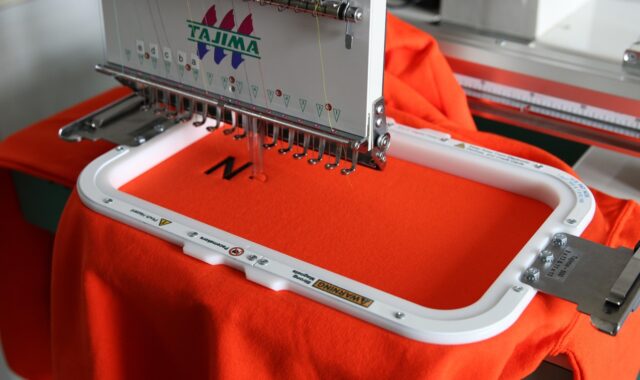
A penguin print cannot compensate for poor fabric or weak construction. If the garment is meant for regular wear, buyers should judge it like any other apparel product: fiber content, hand feel, seam quality, recovery after stretching, print durability, and care requirements.
Industry material data shows why fiber choice matters. Textile Exchange’s 2025 Materials Market Report stated that polyester remained the largest global fiber category in 2024, while cotton remained the second-largest. For penguin apparel, this means shoppers will commonly encounter cotton jersey, cotton-poly fleece, polyester costume fabric, and synthetic knit blends. None of these is automatically good or bad. The right choice depends on use: cotton-rich fabric feels familiar for T-shirts, fleece works for hoodies, synthetic plush suits costume items, and technical blends may help active or outdoor-inspired pieces keep their shape.
Care information is also part of product value. In the United States, the Federal Trade Commission’s Care Labeling Rule requires manufacturers and importers of many textile wearing apparel items to provide regular care instructions at the time of sale. In practical terms, a penguin sweatshirt with screen print, embroidery, appliqué, or plush trim should tell the buyer how to wash, dry, and iron it without damaging the fabric or artwork.
Third-party textile labels can be useful, but they need to be read accurately. OEKO-TEX Standard 100 is described by OEKO-TEX as a label for textiles tested for harmful substances, with testing based on the intended use of the textile. That is a product-safety signal, not a guarantee that a garment is organic, plastic-free, or more durable than another item. Clear wording helps readers avoid overinterpreting certification language.
Safety checks are especially important for kidswear and costumes
Penguin apparel often appears in children’s categories because the motif is friendly and easy to recognize. That makes safety details important. Cute graphics should not distract from drawstrings, loose trims, small detachable parts, rough seams, or closures that can catch during play. See also: care tips.
The U.S. Consumer Product Safety Commission identifies hood and neck drawstrings on children’s upper outerwear in sizes 2T to 12 as a substantial product hazard. It also limits waist and bottom drawstrings on children’s upper outerwear in sizes 2T to 16. For parents and product reviewers, this means a penguin hoodie, jacket, or pullover for young children deserves more scrutiny than a simple T-shirt.
Costume-style penguin apparel needs a different checklist. Oversized hoods, padded bellies, flipper sleeves, and foot covers may look charming, but the wearer still needs clear vision, free movement, temperature comfort, and easy removal. Seasonal costumes may be worn for short periods, yet they should still be practical enough for walking, sitting, and indoor temperature changes.
How to style penguin apparel without making it look overdone
The easiest styling rule is to let the penguin piece be the only novelty element in the outfit. Pair a penguin sweatshirt with plain denim, corduroy, black trousers, or a simple skirt. Avoid combining it with several other animal motifs unless the outfit is intentionally playful or costume-based.
- For adult casualwear: choose a neutral base color, a moderate graphic size, and clean footwear such as sneakers, loafers, or simple boots.
- For winter outfits: pair penguin knitwear with wool-look coats, beanies, scarves, and muted layers rather than competing holiday patterns.
- For kidswear: prioritize washable fabrics and comfortable fits, then use the motif as the fun part of an otherwise practical outfit.
- For gifting: pajamas, socks, and sweatshirts are lower-risk choices than fitted shirts because sizing is more forgiving.
- For office-adjacent casual settings: use small embroidery or understated prints instead of large cartoon graphics.
Accessories are the most flexible option for people who like the idea but want subtlety. Penguin socks, scarves, beanies, tote bags, and caps can add personality without dominating the outfit. This is also a practical direction for retailers because small accessories can appeal to gift buyers even when full garments feel too specific.
Seasonality, merchandising, and limits
Penguin apparel has natural seasonal strength in colder months because the animal is associated with ice, snow, and winter imagery. It can also work around holidays, school events, zoo visits, wildlife themes, and costume occasions. However, the theme should not be treated as winter-only. Minimal embroidery, monochrome graphics, and lightweight T-shirts can work year-round.
From a merchandising perspective, stronger assortments usually mix one statement item with several quieter options. A bold penguin sweater may draw attention, while socks, tees, caps, and children’s sets make the theme easier to buy. Editorially, this creates a more useful discussion than simply listing novelty products.
There are also limits. Penguin apparel can look childish if the artwork, slogan, color, and silhouette all lean cute at the same time. It can look like unofficial branding if a generic product imitates a known penguin logo too closely. It can look cheap if the print cracks, the fleece pills quickly, or the garment lacks proper care information. Good penguin-themed apparel is not defined by the motif alone; it is defined by the same standards that make any apparel product worth wearing.
Frequently asked questions
What is penguin apparel?
Penguin apparel refers to clothing or accessories that use a penguin motif, print, logo, costume shape, or related winter graphic. It can also refer to specific branded clothing when the product is genuinely from a brand that uses a penguin identity.
Is penguin apparel only for children?
No. Children’s clothing is a natural category for penguin graphics, but adult penguin apparel can look polished when the motif is subtle, the colors are restrained, and the garment fit is modern.
What fabrics are best for penguin sweatshirts and T-shirts?
Cotton-rich jersey is common for T-shirts, while cotton-poly fleece is common for sweatshirts and hoodies. The best choice depends on comfort, wash care, print durability, and how the garment will be used.
How can I avoid a costume look?
Choose smaller artwork, neutral colors, and simple styling. A single penguin graphic with plain trousers or denim looks more wearable than an outfit with multiple novelty elements.
What should I check before buying penguin apparel for children?
Check the size, fabric feel, seams, closures, care label, and any loose trims. For children’s upper outerwear, pay special attention to drawstring safety guidance and avoid risky hood or neck cords.