Urban apparel trends shaping city wardrobes in 2026
Urban apparel is becoming more practical, not less stylish
Urban apparel in 2026 is better understood as a practical city wardrobe than as a single streetwear look. The strongest direction combines relaxed silhouettes, sportswear comfort, utility details, denim, durable fabrics, and pieces that can move from commuting to casual social settings. Industry signals support that shift: Euromonitor International reported in March 2026 that sportswear is forecast to outpace the wider apparel market from 2025 to 2030, while McKinsey and The Business of Fashion have described a more value-conscious fashion consumer in their 2026 outlook. For editors, buyers, and style-focused readers, the useful question is not whether streetwear is in or out. It is how urban apparel is being refined for daily wear, price sensitivity, and longer product life. (euromonitor.com)
On Haoshangdai, this topic belongs naturally within apparel products because it connects product design, consumer behavior, and fashion merchandising rather than treating urban style as a short-lived trend.
What urban apparel means in 2026
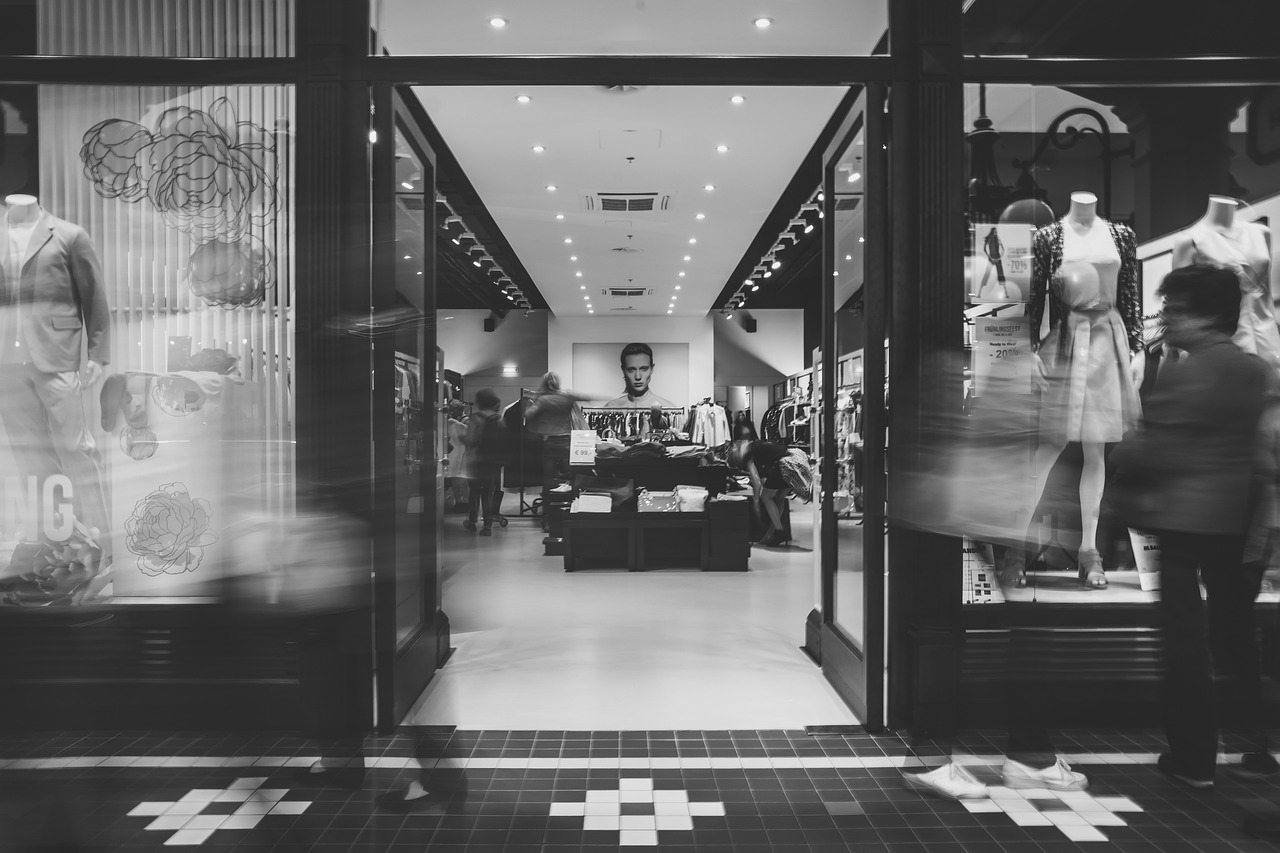
Urban apparel is a broad category shaped by streetwear, sportswear, workwear, skate culture, hip-hop influence, outdoor utility, and contemporary casualwear. In practice, it is defined less by one origin story than by how clothes are used in dense, mobile, and visually expressive city environments. A typical urban wardrobe may include oversized tees, hoodies, track jackets, cargos, denim, sneakers, caps, technical outerwear, and simple layering pieces.
The 2026 version feels more edited than the streetwear boom of the late 2010s and early 2020s. Big logos and hype-driven drops still exist, but they are no longer the only language of the category. More consumers are looking for garments that earn repeat wear: a heavyweight tee that keeps its shape, a utility overshirt that works as a light jacket, or wide-leg denim that pairs with both sneakers and boots.
This is an editorial analysis based on market reports and recent fashion coverage, not a claim that every city or consumer group follows the same pattern. Urban apparel varies by region, climate, music scene, income level, and local retail culture. Even with those differences, the broader direction is clear: city dressing is absorbing comfort and performance cues while becoming more selective about what feels worth buying.
The market signals behind the shift
Several data points help explain why urban apparel is moving toward comfort, versatility, and value. Euromonitor International said the global apparel and footwear market was valued at USD 1.8 trillion in 2025 and that overall growth is expected to remain below 1 percent CAGR through 2030. In the same release, the firm said global sportswear is forecast to grow at a 2 percent CAGR from 2025 to 2030, outpacing the wider market. That does not mean every urban brand should become a sportswear brand, but it does explain why comfort, movement, and lifestyle performance are influencing casual city clothing. (euromonitor.com)
McKinsey and The Business of Fashion also point to a tougher operating environment for fashion companies in 2026, including value-conscious consumers and cost pressure across the value chain. Their reporting suggests that shoppers are still interested in self-expression, but they are more careful about price, usefulness, and perceived longevity. For urban apparel, that favors pieces that can be styled in several ways rather than items that depend entirely on novelty. (mckinsey.com)
Deloitte’s 2026 Global Consumer Products Industry Outlook adds another consumer lens. Based on its ConsumerSignals survey, Deloitte reported that 47 percent of consumers surveyed globally are considered value seekers, meaning they regularly make cost-conscious or deal-driven choices. For urban apparel, that supports a merchandising strategy centered on visible value: better fabric handfeel, stronger seams, useful pockets, adaptable fits, and styling that works across seasons. (deloitte.com)
| Signal | What it suggests for urban apparel |
|---|---|
| Sportswear is outpacing total apparel growth | Casual city clothing will keep borrowing comfort, stretch, layering, and performance cues. |
| Consumers are more value-conscious | Basic pieces need stronger quality signals, not only lower prices. |
| Comfort, quality, and durability are purchase drivers | Fabric, fit, and construction deserve as much attention as graphics and branding. |
| Denim remains visible in street style coverage | Wide-leg, workwear, and pared-back denim can anchor urban outfits without relying on logos. |
Key design directions in urban apparel
Relaxed fits with cleaner proportions
Oversized silhouettes remain important, but the strongest urban looks are not just about sizing up. They depend on proportion. Boxy tees work when the sleeve, shoulder, and body length are balanced. Wide trousers look intentional when the rise, hem, and fabric weight support the shape. Relaxed hoodies feel more current when they layer cleanly under jackets instead of creating bulk.
This matters because urban apparel has to photograph well and function in daily use. A garment may look strong in a lookbook, but city wear also has to handle transit, weather changes, sitting, walking, and repeat washing. Cleaner proportions make oversized clothing more wearable for a wider range of shoppers.
Utility details without costume styling
Cargo pockets, zip compartments, adjustable hems, snap closures, and multi-pocket overshirts continue to appear across urban and casual collections. The useful version is restrained. A pair of cargos with a clean leg shape is easier to style than one overloaded with hardware. A utility vest works best when it is treated as a layering piece, not as a novelty costume.
The appeal is practical as much as aesthetic. Urban consumers often carry phones, keys, earbuds, wallets, transit cards, and small daily items. Garments that solve those small problems can feel more valuable, especially when shoppers are scrutinizing purchases.
Denim as a foundation, not a background item
Denim remains central to urban apparel because it carries both durability and cultural familiarity. Recent fashion coverage, including British Vogue’s 2026 Copenhagen Fashion Week denim reporting, has highlighted oversized jackets and wide-leg jeans as visible denim directions. That supports a broader urban trend toward denim as a statement of silhouette rather than only a neutral base. (vogue.co.uk)
Dark denim, faded black denim, carpenter shapes, double-denim sets, and loose straight legs all fit the category. The key is balance. If the jeans are wide and heavy, the top can be more compact. If the jacket is oversized, the base layer can be cleaner. This creates a city look that feels expressive but still wearable.
Graphics are becoming more selective
Graphic tees and hoodies are not disappearing, but stronger assortments are using them more selectively. Instead of covering every item with oversized branding, a modern urban apparel edit may use one graphic focal point and support it with plain tees, washed sweats, structured outerwear, and denim. This helps a wardrobe last longer because not every outfit depends on a single logo or print trend.
Fabric and durability are now part of the style conversation
Urban apparel used to be discussed mainly through identity, subculture, and visual styling. Those still matter, but fabric performance and durability are now part of the same conversation. Cotton Incorporated’s 2025 Global Lifestyle Monitor Survey, which covered 13,026 consumers across thirteen countries, found that comfort, quality, and durability remain top apparel purchase drivers. The same release reported that 59 percent of global consumers were willing to pay more for clothing made from natural fibers such as cotton, with comfort and quality cited as key reasons. (cottoninc.com) See also: care tips.
For urban apparel, this supports a return to tactile basics: heavyweight cotton tees, fleece with recovery, denim with a substantial hand, canvas overshirts, and knitwear that resists pilling. These are not glamorous details, but they determine whether a piece becomes part of a real rotation or disappears after a few wears.
Sustainability claims should be handled carefully. A garment is not sustainable simply because it looks minimal or uses an earth-tone palette. More responsible communication focuses on verifiable elements such as fiber content, recycled inputs, repairability, wash care, durability, and resale potential. McKinsey research has also noted the complexity of sustainability behavior in fashion, including the gap between interest in sustainable choices and the tendency to keep refreshing wardrobes. (mckinsey.com)
How to build a stronger urban apparel edit
A useful urban apparel edit should help readers or shoppers understand how pieces work together. The category can become confusing because it contains many influences at once. A clear framework makes it easier to separate durable style from trend clutter.
- Start with anchor pieces. Use denim, cargos, hoodies, plain tees, and outerwear as the core, then add graphics or accessories as accents.
- Prioritize repeat wear. A garment should work in at least three outfit combinations before it earns a place in an edit.
- Balance volume. Pair oversized tops with controlled bottoms, or wide trousers with cleaner layers, unless the intention is a fully exaggerated silhouette.
- Use utility carefully. Pockets, straps, zips, and toggles should improve function or proportion, not simply signal trend awareness.
- Consider climate and commute. Urban apparel in New York, Seoul, Los Angeles, London, and Manila will not solve the same weather or transport problems.
- Keep branding intentional. Logos and graphics work best when they add identity rather than substitute for design quality.
For fashion publishers and product-focused sites, the strongest content opportunity is comparison. Instead of presenting urban apparel as a list of items, explain why one silhouette, fabric, or detail is more wearable than another. That approach gives readers a practical reason to stay, compare, and return.
What to avoid when covering urban apparel
The first mistake is treating urban apparel as a single youth trend. The category now reaches across age groups and income levels because its core ideas are practical: comfort, mobility, layering, and self-expression. A minimalist commuter wearing wide black trousers, sneakers, and a technical jacket may be participating in the same broad movement as a student wearing baggy denim and a graphic hoodie.
The second mistake is overclaiming sustainability. Unless a brand provides specific data, certifications, or traceable materials, it is safer to discuss durability, care, and longer wear as practical improvements rather than making broad environmental claims. This is especially important for industry content because readers are increasingly skeptical of vague green language.
The third mistake is ignoring price pressure. A 2026 urban apparel article that talks only about aesthetics misses the reality of the market. If consumers are more selective, styling advice should include cost-per-wear thinking, fabric quality, and wardrobe compatibility. A lower-priced item can be a strong buy if it wears well; a premium item can be weak if it only works for one short trend cycle.
Frequently asked questions
Is urban apparel the same as streetwear?
Not exactly. Streetwear is one of the major influences behind urban apparel, but urban apparel is broader. It can include sportswear, workwear, denim, technical outerwear, minimalist basics, and city-ready accessories. The term is useful when discussing everyday clothing shaped by city life rather than only drop culture or logo-led streetwear.
What pieces define urban apparel in 2026?
The most practical core includes heavyweight tees, hoodies, wide or straight denim, cargo pants, track jackets, overshirts, utility outerwear, sneakers, caps, and compact accessories. The exact mix depends on climate and personal style, but versatility is more important than owning every trend item.
Are oversized fits still relevant?
Yes, but the fit is becoming more controlled. The strongest oversized pieces have deliberate shoulder lines, sleeve length, body length, and fabric weight. Oversized clothing looks current when it creates proportion, not when it simply appears too large.
How can urban apparel look more polished?
Use a limited color palette, improve fabric quality, balance volume, and keep one focal point per outfit. For example, wide denim can look polished with a plain tee and structured jacket, while a graphic hoodie can feel more refined when paired with clean trousers and simple sneakers.
What is the main takeaway for 2026?
Urban apparel is shifting from hype-first styling to practical city dressing. The category still values identity and visual edge, but the stronger direction is comfort, utility, denim, durability, and value. That makes urban apparel less of a passing trend and more of a flexible wardrobe system for everyday life.