How to choose a men’s henley long sleeve for fit, fabric, and everyday wear
A men’s henley long sleeve sits between a basic T-shirt, a sweatshirt, and a casual button shirt. A good one should feel comfortable against the skin, keep its shape after washing, and fit the way you actually dress. Before buying, check five points: fabric composition, fabric weight, shoulder and sleeve fit, placket construction, and care instructions. A lightweight cotton henley works well as a base layer. A waffle-knit or heavier jersey version can stand on its own in cooler weather. For the most versatile option, look for a regular fit, a clean three-button placket, ribbed cuffs that are not too tight, and a hem that lands around the mid-fly area.
For more apparel shopping frameworks, browse the buying guides section.

What makes a long sleeve henley different
A long sleeve henley is usually defined by its collarless neckline and short button placket. Compared with a crewneck tee, the placket adds structure around the chest and neck. Compared with a polo, it has no collar, so it feels more relaxed and layers more easily under jackets, overshirts, flannels, and cardigans.
That balance explains why the style appears in many casual wardrobes. It can work as an undershirt, a standalone top, or a soft layer between a T-shirt and outerwear. The same basic design, however, can look very different depending on fabric and cut. A thin, close-fitting henley may read like underwear when worn alone. A thicker slub cotton or thermal knit version usually looks more intentional with jeans, chinos, or workwear-inspired pants.
When comparing products, do not rely only on photos. Product images may be shot with controlled lighting, adjusted fabric, or model proportions that do not reflect everyday wear. Start with the specifications: material blend, fabric texture, garment measurements, care label, and return policy.
Start with fabric because it changes warmth, drape, and care
Fabric is the first decision because it affects comfort, breathability, shrinkage risk, layering ability, and overall appearance. A men’s henley long sleeve may have the same silhouette across brands, but cotton jersey, waffle knit, rib knit, merino blend, and synthetic performance fabric behave differently in wear and laundry.
Cotton jersey
Cotton jersey is soft, familiar, and easy to wear year-round. It is often the safest first choice because it feels like a quality long sleeve T-shirt with extra detail at the neckline. The trade-off is that pure cotton may shrink if washed or dried with high heat. Lighter jersey can also cling or lose structure over time.
Waffle knit and thermal knit
Waffle knit has a textured grid surface that traps more air than flat jersey. This makes it useful for cooler days and casual layering. It also adds visible texture, so the shirt looks less plain when worn on its own. Thermal henleys pair especially well with denim, cargo pants, canvas jackets, chore coats, and boots.
Rib knit and stretch blends
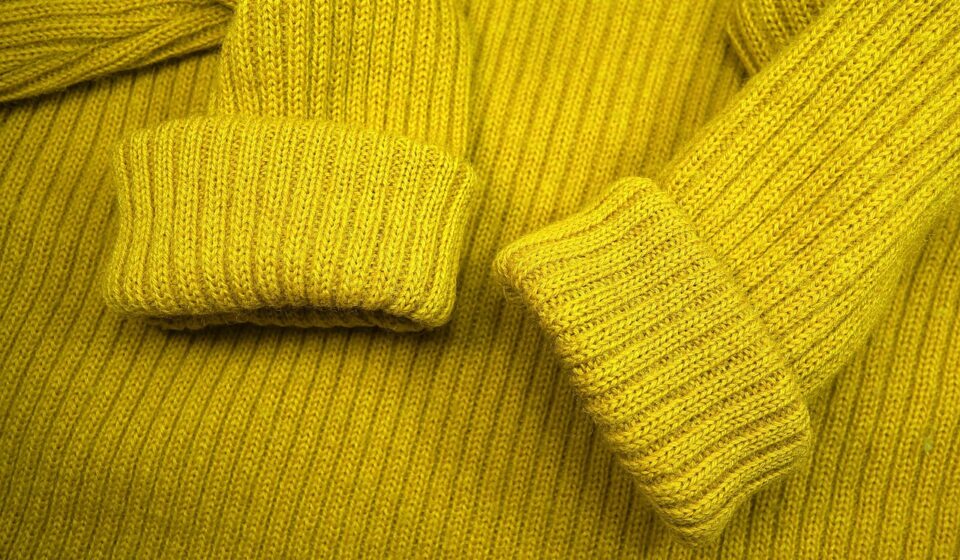
Ribbed fabrics stretch and recover well, which can create a fitted look without feeling restrictive. Stretch blends may include elastane or similar fibers to improve mobility. They are useful if you prefer a closer silhouette, but very thin rib knits can reveal undershirt lines and body contours more than expected.
Merino and technical blends
Merino wool and technical blends are common in travel, outdoor, and cold-weather wardrobes. They can offer better temperature regulation than ordinary cotton, but they often cost more and may require more careful washing. If the shirt is for office layering, travel, or changing temperatures, these fabrics may be worth considering. For a simple everyday shirt at home or for casual errands, cotton or cotton-blend options are usually easier to manage.
| Fabric type | Best use | Watch for |
|---|---|---|
| Cotton jersey | Daily casual wear and light layering | Possible shrinkage and loss of shape with high heat |
| Waffle or thermal knit | Cool weather, workwear styling, standalone outfits | Bulk under slim jackets |
| Rib knit | Closer fit and stretch comfort | May cling if fabric is thin |
| Merino or wool blend | Travel, temperature regulation, refined layering | Higher price and more careful care needs |
| Synthetic performance blend | Active use and quick-drying needs | May look less natural in casual outfits |
Get the fit right at the shoulders, chest, sleeves, and hem
The best fit depends on how you plan to wear the shirt. For a standalone henley, choose a regular fit that follows the body without pulling at the buttons or clinging at the stomach. For a base layer, a slimmer cut can work, but it should still allow comfortable arm movement. For a relaxed weekend look, a slightly roomier fit can be attractive if the shoulder seams and sleeves still sit cleanly.
Start with the shoulders. The seam should sit close to the edge of the shoulder, not halfway down the upper arm. A dropped shoulder can be intentional in some modern cuts, but on a classic henley it may look oversized. Next, check the chest. If the fabric pulls horizontally across the placket when you stand naturally, the shirt is too tight. If the placket collapses or gapes because there is too much loose fabric, the shirt may be too large or too thin.
Sleeve length should reach the wrist bone or slightly below it. Ribbed cuffs can control extra length, but cuffs that are too tight may feel uncomfortable and create bunching. The hem should generally land around the mid-fly area. If it is too short, it may ride up when you raise your arms. If it is too long, it can look like sleepwear unless the cut is intentionally oversized.
- For layering under a jacket: choose a neater shoulder and moderate fabric weight.
- For wearing alone: choose slightly more texture or structure so the shirt does not look like an undershirt.
- For athletic builds: check whether the chest fits without the waist becoming too loose.
- For broader midsections: avoid very thin stretch fabric and choose a straight or relaxed regular fit.
Check construction details that affect comfort
Small construction details often decide whether a henley gets regular wear or stays folded in a drawer. The placket should lie flat, the buttons should feel secure, and the neckline should keep its shape. A weak placket can twist after washing. A loose neckline can make the whole shirt look worn out even if the fabric is still serviceable.
The number of buttons changes both function and style. A two-button placket looks minimal, a three-button placket is the most versatile, and a longer four- or five-button placket can feel more rugged or vintage. If you plan to wear the shirt under an overshirt, a medium-depth placket is usually easiest because it adds detail without crowding the neckline.
Also inspect the side seams and cuffs. Straight side seams are standard and simple. Some higher-quality garments use reinforced stitching at stress points around the placket or shoulder. Ribbed cuffs should recover after stretching, especially if you push the sleeves up during the day. If the cuff feels loose in the store, or product photos already show rippling, it may not age well.
Color is closely tied to fabric and finish because texture and dye affect how the shirt reads. White and light gray are easy to layer, but in thin fabric they can look more like underwear. Navy, charcoal, olive, heather brown, and cream are versatile choices that make the shirt look more intentional. Black can work well, though it may show lint and fading more clearly in some cotton fabrics.
Match the henley to the way you plan to wear it
Not every buyer needs the same shirt. The right choice depends on the outfit context. A henley for weekend errands is not the same as one for layering under a blazer-style jacket, and a cold-weather thermal is not the same as a lightweight summer evening shirt. See also: care tips.
For casual everyday outfits
Choose cotton jersey or light waffle knit in navy, charcoal, olive, cream, or heather gray. Pair it with jeans, chinos, fatigue pants, or drawstring trousers. Keeping the first button open usually looks relaxed. Opening too many buttons can look out of place unless the cut and setting support it.
For smart casual layering
Look for a smoother fabric, a clean placket, and a neckline that does not stretch out. A dark solid henley can work under an unstructured jacket, overshirt, or cardigan. Keep the fit closer to the body so it layers cleanly, but avoid anything shiny or overly technical if the rest of the outfit is refined.
For cold-weather use
Choose waffle knit, thermal cotton, wool blend, or heavier jersey. These versions pair naturally with flannel shirts, quilted vests, denim jackets, field jackets, and heavier boots. Texture matters here because it helps the shirt look purposeful when visible beneath outer layers.
For travel
Prioritize comfort, recovery, and care. A travel-friendly henley should resist wrinkling better than a very thin cotton tee, layer under multiple outfits, and dry reasonably quickly after washing. Darker neutrals are practical because they hide minor marks better between washes.
Read labels and care instructions before you buy
Care labels are not decorative details; they help predict whether the shirt will remain wearable. Public guidance from the U.S. Federal Trade Commission explains that most textile and wool products sold in the United States must identify fiber content, country of origin, and the business responsible for marketing or handling the product. The FTC also maintains care-labeling rules for textile wearing apparel. For buyers, the practical lesson is simple: the label can tell you more than the product name.
International and industry standards also shape how care information is communicated. ISO 3758 sets out a care-labelling code using symbols for textile articles, while ASTM D5489 provides a system of care symbols for textile products. You do not need to memorize every symbol, but you should recognize when a garment requires low heat, gentle washing, or professional care. Those instructions may affect the true cost of ownership.
If the care label allows machine washing but recommends low heat or line drying, take that seriously. Many cotton and cotton-blend henleys look best when washed inside out and dried on low or laid flat rather than over-dried. High heat can contribute to shrinkage, fading, and damage to ribbed cuffs. For darker colors, washing inside out can help reduce visible surface wear.
- Check fiber content before assuming how warm or stretchy the shirt will be.
- Look for care instructions that match your laundry habits.
- Be cautious with shirts that require special care if you want an everyday basic.
- Use garment measurements when available instead of relying only on size names.
A practical buying checklist
Before adding a long sleeve henley to your wardrobe, run through a short checklist. This is especially useful when shopping online, where the model photo may not show thickness, stretch, or real-life drape.
- Define the role. Decide whether the shirt is for layering, standalone wear, travel, cold weather, or lounging.
- Choose the fabric. Pick cotton jersey for simplicity, waffle knit for texture, rib knit for stretch, or merino and technical blends for performance needs.
- Check measurements. Compare chest width, shoulder width, sleeve length, and body length with a shirt you already like.
- Evaluate the neckline. The placket should sit flat, and the neck opening should not look stretched before wear.
- Look at cuffs and hem. Cuffs should recover, and the hem should land around the mid-fly area for most classic fits.
- Read the care label. If the shirt requires care you will not follow, it is probably not the right everyday choice.
- Start with versatile colors. Navy, charcoal, olive, cream, and heather gray usually offer more outfit options than loud seasonal colors.
For many wardrobes, the safest starting point is a midweight cotton or cotton-blend henley in a regular fit, with a three-button placket and enough structure to wear alone. After that, you can add a thermal version for cooler weather or a smoother dark version for smarter layering.
Frequently asked questions
Should a men’s henley long sleeve fit tight or loose?
It should follow the body without pulling across the chest or stomach. A slim fit works best as a base layer, while a regular fit is more versatile for wearing alone. If the buttons strain or the fabric clings sharply, size up or choose a heavier fabric.
Can a long sleeve henley be worn to work?
It depends on the workplace. In casual and smart-casual settings, a clean dark henley under an overshirt, cardigan, or unstructured jacket can look polished. In formal offices, a collared shirt is usually a safer choice.
What color henley is the most versatile?
Navy, charcoal, olive, heather gray, and cream are the easiest to style. White can be useful as a layer, but in thin fabric it may look more like underwear than a standalone shirt.
Is waffle knit better than jersey?
Neither is universally better. Waffle knit is warmer and more textured, making it strong for fall and winter outfits. Jersey is smoother and lighter, making it better for year-round layering and a cleaner look.
How do I keep a henley from shrinking?
Follow the care label, wash with moderate temperatures, and avoid unnecessary high heat in the dryer. For cotton and cotton-blend shirts, drying on low or laying flat can help preserve fit and reduce stress on cuffs and seams.