Motorcycle buying guide for first-time and used-bike shoppers
Quick answer before you shop
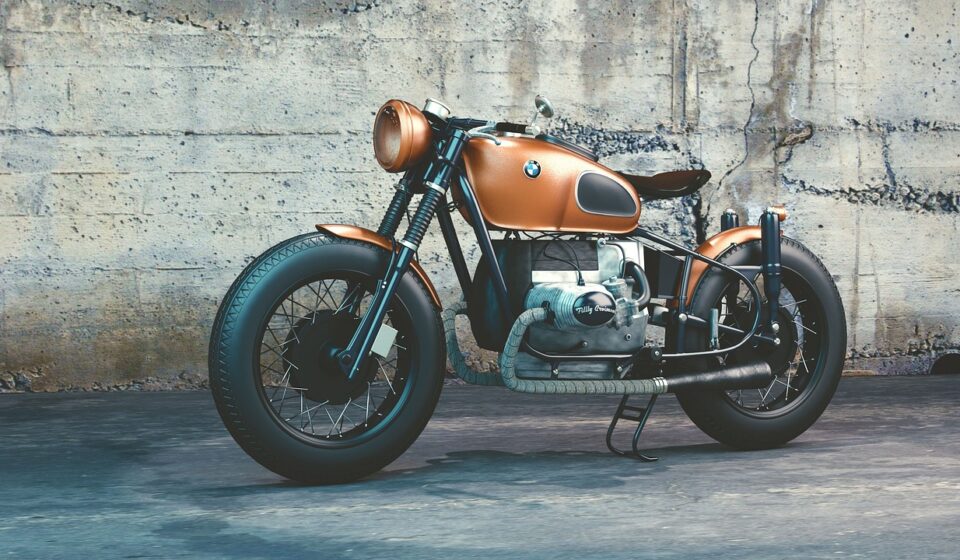
A useful motorcycle buying guide starts with a simple question: what riding will you actually do most weeks? The right bike is not automatically the loudest, fastest, or most dramatic choice. It is the motorcycle that fits your body, skill level, local roads, storage needs, safety expectations, and total budget after insurance, gear, maintenance, tax, and registration. For many first-time buyers, that points toward a manageable standard, lightweight cruiser, small adventure bike, scooter, or middleweight used motorcycle rather than a heavy touring machine or race-focused sport bike. This guide focuses on practical purchase decisions, with more style and shopping advice available in our buying guides.
Safety belongs in the buying decision from the start. The National Highway Traffic Safety Administration reported 6,228 motorcyclist deaths in 2024, representing 16% of all U.S. traffic fatalities, in its Traffic Safety Facts 2024 Data brief published on July 1, 2026. That does not mean motorcycles are the wrong choice for every shopper, but it does mean the bike, rider training, helmet, visibility, and riding environment should be evaluated together. (rosap.ntl.bts.gov)
Start with the ride you actually plan to do
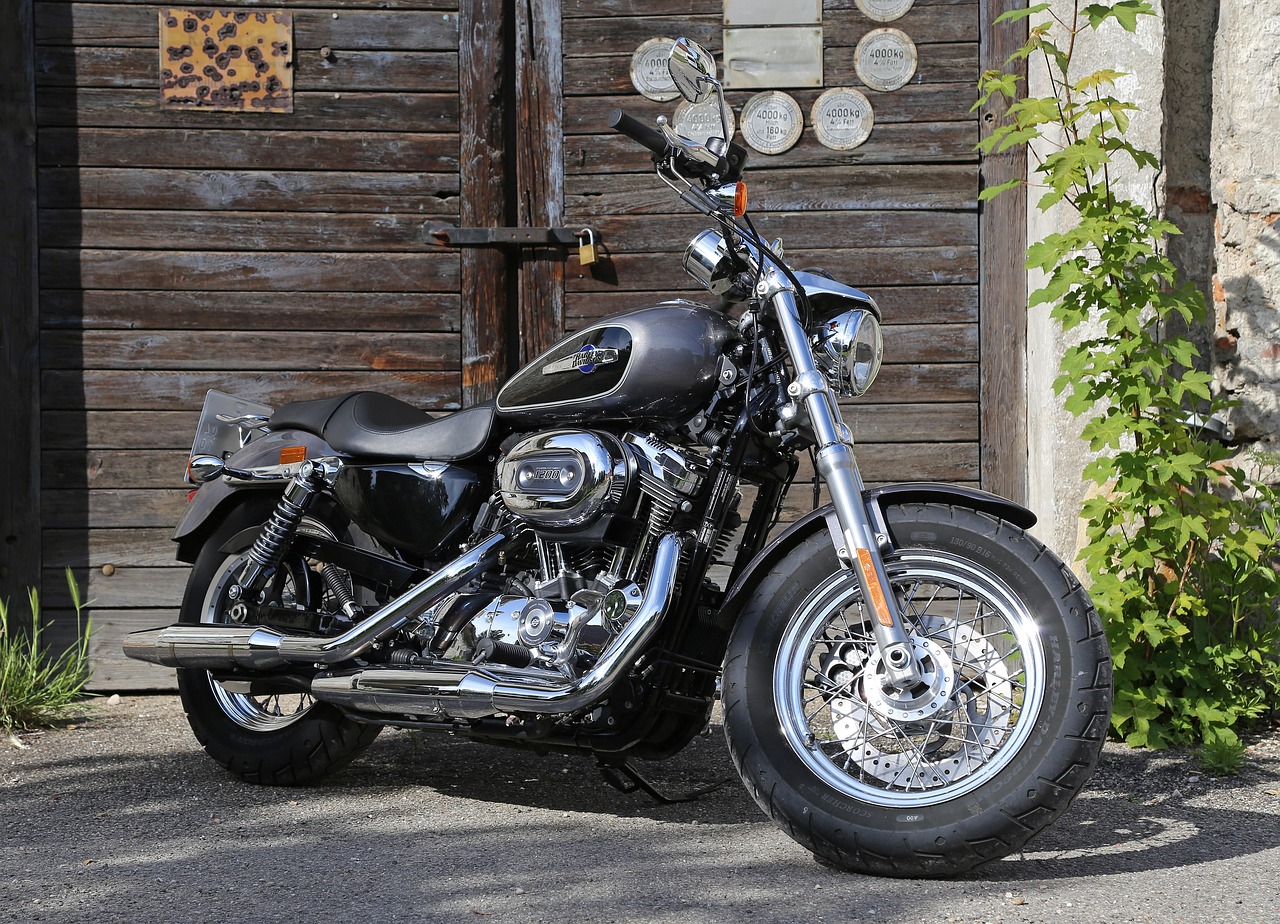
Motorcycles are specialized products. A bike that looks ideal in a showroom can feel wrong after 30 minutes in traffic, on gravel, or at highway speed. Before comparing brands or colors, define your normal use case. Be realistic about distance, weather, passengers, parking, road quality, and whether you need luggage.
| Primary use | Bike types to consider | What to check before buying |
|---|---|---|
| City commuting | Standard motorcycle, scooter, lightweight naked bike | Seat height, low-speed balance, heat management, storage, fuel range |
| Weekend back roads | Standard, cruiser, sport-touring, small adventure bike | Comfort after one hour, brake feel, wind protection, tire condition |
| Long-distance travel | Touring, sport-touring, adventure touring | Wind protection, luggage, seat comfort, cruise control, service history |
| Mixed pavement and light dirt | Dual-sport, adventure bike | Standing ergonomics, suspension travel, wheel size, tire choice |
| Style-focused casual riding | Cruiser, retro standard, classic scooter | Fit, service access, braking equipment, insurance cost, real comfort |
If you are new to riding, do not choose only by engine size or social media appeal. Weight, throttle response, brake sensitivity, handlebar leverage, seat shape, and center of gravity can matter as much as horsepower. A motorcycle you can turn, stop, park, and pick up confidently will usually help you build better habits than a machine that intimidates you.
New vs used motorcycles, what trade-offs matter
Buying new gives you a clear title path, current equipment, predictable break-in history, and a manufacturer warranty. It also usually means a higher upfront cost, dealer fees, destination charges, and faster early depreciation. Buying used can reduce the purchase price and open the door to better-equipped models, but the savings only matter if the title, maintenance history, wear items, and crash history are acceptable.
| Option | Main advantages | Main risks | Best fit |
|---|---|---|---|
| New motorcycle | Warranty, known history, current model support | Higher total price, fees, early depreciation | Buyers who want low uncertainty and plan to keep the bike |
| Certified or dealer used | Some dealer inspection, easier financing, possible short warranty | Higher price than private sale, inspection depth varies | Buyers who want used pricing with more process support |
| Private-party used | Potentially lower price, direct seller history | Title problems, hidden crash damage, limited recourse | Buyers comfortable arranging inspection and paperwork |
| Project bike | Low purchase price, customization potential | Repair cost uncertainty, registration issues, downtime | Experienced mechanics, not first-time riders |
For a first motorcycle, the cleanest used bike you can afford is often a better choice than the cheapest listing. A neglected motorcycle can become expensive quickly if it needs tires, chain and sprockets, brake pads, fork seals, battery, fluids, and electrical repairs at the same time. In negotiation, separate cosmetic issues from safety issues. Scratched paint may reduce value; cracked tires, weak brakes, frame damage, leaking forks, or a questionable title can change the buying decision entirely.
Fit, weight, power and safety features
Fit is not just about touching the ground. Sit on the motorcycle with both hands on the bars and your feet on the pegs. Your wrists should not be carrying your whole upper body at rest, your knees should not feel sharply cramped, and you should be able to turn the bars without stretching. If the bike feels barely manageable in a parking lot, it will feel worse when you are tired, riding in the rain, or loaded with gear.
Weight deserves special attention. A heavy motorcycle may feel stable at speed but awkward at walking pace. New riders often discover this when reversing out of a sloped parking spot, making a tight U-turn, or stopping with the bars turned. Seat height also works together with seat width: a narrow tall seat may be easier to manage than a low but very wide saddle.
Antilock braking system availability is one of the most important feature checks. The Insurance Institute for Highway Safety reports that motorcycles equipped with optional ABS had a fatal crash rate 22% lower than the same models without ABS, based on its cited research. ABS does not replace skill, tire grip, or judgment, but it can help reduce wheel lock during emergency braking or on unexpectedly slick surfaces. (iihs.org)
Also check practical safety and usability details: clear mirrors, bright lighting, neutral ergonomics, predictable throttle mapping, adjustable levers, traction control on more powerful bikes, and tires that match your roads. Styling matters, but visible design should not override control quality, helmet compatibility, and protective gear.
Budget for gear before you spend the full bike budget
A motorcycle purchase is never just the motorcycle. Before making an offer, reserve money for protective gear and immediate maintenance. At minimum, plan for a helmet, jacket, gloves, pants or riding jeans with abrasion resistance, and over-the-ankle riding footwear. If you commute or ride after dark, add high-visibility or reflective elements.
For helmets sold in the United States, NHTSA explains that a compliant helmet should have the DOT symbol on the outside back and meet Federal Motor Vehicle Safety Standard No. 218. NHTSA also notes that it does not pre-approve helmets; manufacturers self-certify, and the agency may test helmets and require recalls if a tested helmet fails the standard. That makes it important to buy from reputable retailers and avoid novelty helmets. (nhtsa.gov)
Do not spend every dollar on the motorcycle and then compromise on gear. A realistic first-year budget should include the purchase price, sales tax, title and registration, insurance, rider training, helmet and apparel, a lock or storage solution, fluids, tires if needed, and a service buffer. Used motorcycles are especially sensitive to this because a low price can hide deferred maintenance.
How to inspect a used motorcycle before paying
Inspect a used motorcycle in daylight, preferably when the engine is cold. A bike that has already been warmed up may be hiding hard-starting, smoke, idle problems, or mechanical noise. Bring a flashlight, tire pressure gauge, paper towels, and a written checklist. If you are not mechanically confident, pay for a pre-purchase inspection from a motorcycle shop before handing over final payment.
The Motorcycle Safety Foundation’s T-CLOCS framework is a useful inspection structure because it covers tires and wheels, controls, lights and electrics, oil and other fluids, chassis, and stands. The MSF checklist specifically calls attention to tire tread, wear, weathering, cold tire pressure, wheel damage, brake function, lever condition, lights, battery terminals, wiring, fluid levels, leaks, frame condition, suspension, chain or belt, fasteners, and side or center stands. (msf-usa.org) See also: care tips.
- Check tires for age, cracks, flat spots, uneven wear, embedded objects, and matching type.
- Look at brake pads, discs, brake-fluid color, lever feel, and whether each brake can hold the bike from rolling.
- Inspect fork tubes and rear shock areas for oil leaks or pitting.
- Turn the handlebar lock to lock and feel for notchiness, cable pull, or wiring tension.
- Check chain slack, sprocket teeth, belt condition, or shaft-drive leaks, depending on the bike.
- Look for mismatched paint, bent levers, scraped bar ends, damaged pegs, cracked plastics, or fresh paint around the frame.
- Start the motorcycle from cold, listen for abnormal knocking, watch for smoke, and confirm the charging and warning lights behave normally.
Modifications need careful judgment. Quality luggage, wind protection, factory accessories, crash bars, or professionally installed electrical accessories can add usefulness. Poor wiring, loud exhausts without proper tuning, chopped frames, deleted emissions equipment, stretched swingarms, or unknown engine work can make the bike harder to insure, inspect, register, resell, or live with daily.
Paperwork, VIN checks and price reality
Check the paperwork before emotion takes over. The vehicle identification number on the motorcycle must match the title exactly. The seller’s name should match the title unless a licensed dealer is handling the sale. Be cautious with open titles, missing titles, liens that are not released, salvage branding, rebuilt branding, or claims that paperwork can be fixed later.
For U.S. buyers, the National Insurance Crime Bureau describes VINCheck as a free tool that can show whether a VIN has been reported as stolen and not recovered, or reported as salvage or flood damaged by participating insurers. NICB also states that the tool is not a comprehensive vehicle history report. The National Motor Vehicle Title Information System, managed through the U.S. Department of Justice’s Bureau of Justice Assistance, says its consumer reports can provide title information, most recent odometer reading, brand history, and in some cases historical theft data. (nicb.org) (vehiclehistory.bja.ojp.gov)
Price guides are useful, but they are not final answers. Kelley Blue Book says its used motorcycle values draw from sources such as auctions, dealer sales reports, dealer surveys, listings, sales transactions, and broader market conditions. It also notes that motorcycle condition can matter more than mileage alone. Use price tools, local listings, service records, and inspection findings together rather than treating one number as absolute. (kbb.com)
A practical decision checklist
Before you buy, turn the motorcycle into a pass, negotiate, or walk-away decision. A beautiful bike can still be wrong if it is too tall, too heavy, too expensive to insure, missing paperwork, or poorly maintained. A plain-looking motorcycle can be a smart buy if it is mechanically sound, fairly priced, and suited to your riding.
- Define the main riding use: commuting, touring, weekend rides, mixed surfaces, or casual style rides.
- Sit on the bike long enough to assess reach, weight, seat shape, and control comfort.
- Confirm licensing requirements, insurance cost, and whether rider training is available in your state.
- Check whether ABS is equipped or available on the model you are considering.
- Reserve budget for a DOT-compliant helmet, protective apparel, registration, tax, and maintenance.
- For used bikes, inspect with a checklist and verify cold-start behavior.
- Match the VIN to the title and review history records before paying.
- Walk away from title confusion, pressure tactics, hidden damage, or sellers who refuse reasonable inspection.
The best motorcycle is the one you will ride confidently, maintain properly, and still enjoy after the first month. Choose style after the fundamentals are right: fit, purpose, safety equipment, paperwork, and total cost.
Frequently asked questions
What is the best motorcycle for a beginner?
There is no single best beginner motorcycle. A good first bike is manageable at low speed, predictable in throttle and braking, comfortable for your body, affordable to insure, and suited to the roads you actually ride. Many beginners do better on standards, smaller cruisers, scooters, or lightweight adventure-style bikes than on very heavy or race-focused machines.
Should I buy a new or used motorcycle first?
Buy new if you want warranty coverage, a known history, and less paperwork uncertainty. Buy used if you can inspect carefully, verify the title, and keep money available for maintenance and gear. A clean, well-maintained used motorcycle is usually better than a neglected bargain.
How important is ABS on a motorcycle?
ABS is highly worth considering, especially for newer riders and commuters. It cannot overcome bad tires, excessive speed, or poor judgment, but research cited by IIHS associates ABS-equipped motorcycles with lower fatal crash rates compared with the same models without ABS.
What should I check first on a used motorcycle?
Start with paperwork and identity: the VIN, title, seller name, lien status, and history records. Then inspect tires, brakes, leaks, lights, controls, frame, suspension, chain or belt, and cold-start behavior. If anything important is unclear, pause the purchase and get a professional inspection.
How much should I budget beyond the motorcycle price?
Plan for insurance, taxes, title and registration, rider training, helmet, jacket, gloves, pants, boots, security, and early maintenance. The exact number varies by state, bike, rider profile, and condition, but the safest approach is to set aside a separate gear and maintenance fund before negotiating the motorcycle itself.