Road bike buying guide for fit, frame types and components
Start with the kind of riding you actually plan to do
Start with use case before brand names or paint schemes. A bike built for fast group rides is not always the best choice for rough city streets, long weekend fitness rides or light touring. Most shoppers should first decide whether they need an endurance road bike, a race road bike, an aero road bike or an all-road bike, then compare fit, tire clearance, gearing and total ownership cost.
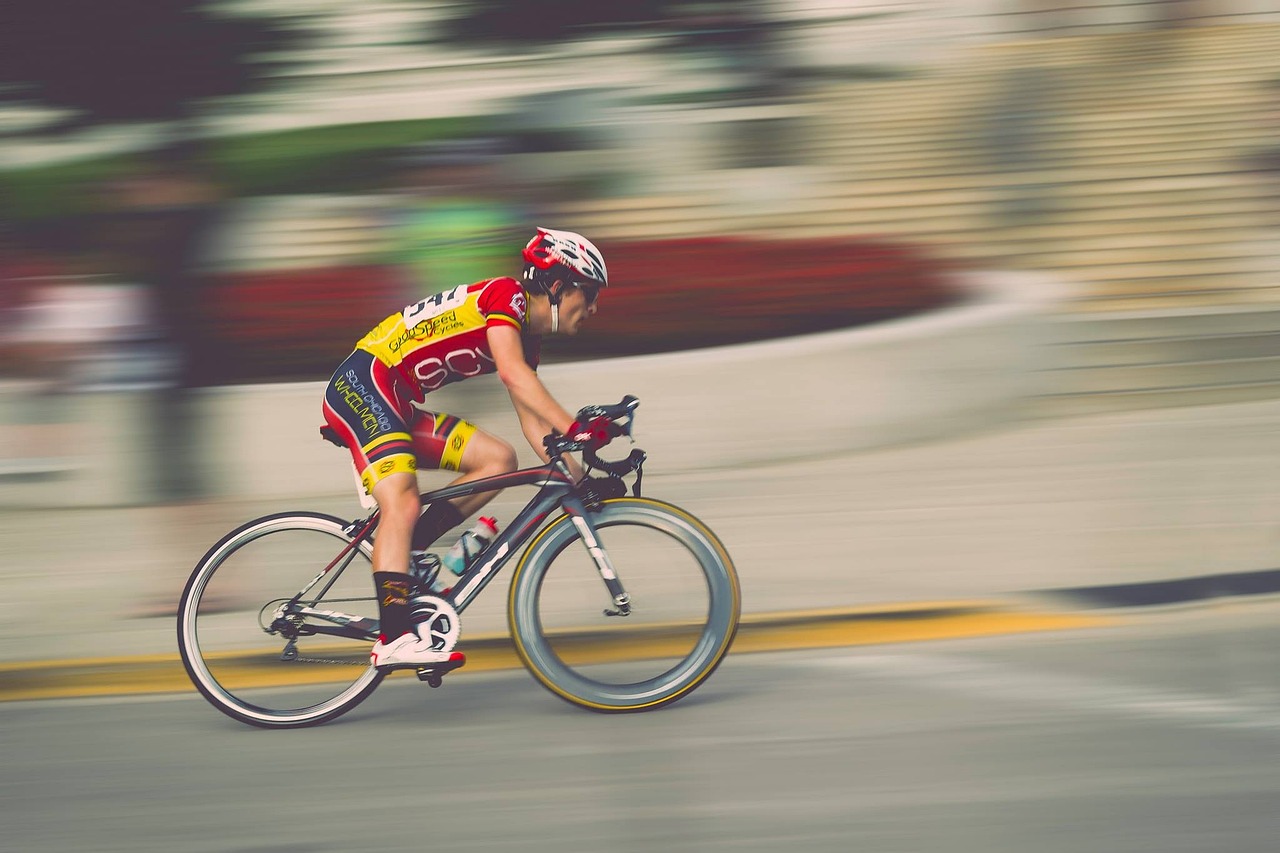
If you are not racing, a slightly more relaxed endurance or all-road frame is often the better starting point. It can feel more stable, accept wider tires and reduce pressure on your hands and back. Modern road bikes can look similar in photos, but small design differences change how they ride. A low, stretched race bike may feel sharp and efficient at speed, yet uncomfortable if your flexibility, route conditions or ride length do not suit it. You can also explore more in buying guides.
Before comparing models, write down three things: your normal route surface, your longest expected ride and whether you plan to join competitive events. That simple step turns a vague shopping process into a practical shortlist.
Choose the right road bike category
Road bikes are no longer one narrow category. The main difference is how each frame balances speed, comfort, handling and tire clearance.
| Road bike type | Best for | Typical strengths | Possible limits |
|---|---|---|---|
| Endurance road bike | Fitness rides, long distances, mixed pavement | More comfortable geometry, stable handling, wider tire options | Usually less aggressive than a pure race bike |
| Race road bike | Fast group rides, climbing, road racing | Responsive handling, low weight focus, efficient position | Can feel demanding for casual riders |
| Aero road bike | High-speed riding and flat to rolling routes | Shaped tubes and integrated parts to reduce drag | Can cost more and may be harder to service |
| All-road bike | Rough pavement, light gravel, variable weather | More tire clearance and practical versatility | Not as off-road focused as a gravel bike |
| Touring-style road bike | Commuting, racks, long loaded rides | Mounts, durability and predictable handling | Heavier and less lively than sportier bikes |
For most first-time buyers, endurance geometry is the safe starting point. It usually gives a more upright position than a race frame and can make long rides easier. If your rides are mostly short, fast and competitive, a race or aero frame may be worth the extra attention to fit. If your area has broken pavement, chipseal, canal paths or occasional unpaved connectors, an all-road bike with wider tire clearance may be more useful than a narrow-tire race bike.
Fit matters more than a small weight difference
Frame size is the most important purchase decision because it is the hardest thing to correct later. You can replace a saddle, stem, tires or cassette, but a frame that is too long, too low or too tall will always require compromise.
Do not rely only on small, medium and large labels. Brands measure and design frames differently, so a medium in one model may not match a medium in another. The two geometry numbers worth learning are stack and reach. Stack describes the vertical height of the front end, while reach describes how long the frame feels from the saddle area to the handlebar area. In simple terms, higher stack usually supports a more upright fit, while longer reach creates a more stretched position.
Check your contact points
A road bike fit is built around three contact points: saddle, pedals and handlebar. When testing a bike, notice whether your shoulders feel relaxed, whether you can bend your elbows slightly and whether you can reach the brake hoods without locking your arms. Hand numbness, neck strain or feeling pushed forward can be signs that the bike is too long, the bar is too low or the cockpit needs adjustment.
Leave room for adjustments
A good shop can usually adjust saddle height, saddle setback, stem length and handlebar position. However, there should still be adjustment range left after setup. If the bike only feels acceptable with the saddle pushed to an extreme position or with a very unusual stem, the frame size may not be ideal.
If you are between sizes, do not automatically size up. Many riders are better served by the smaller of two frames because it is often easier to add a little cockpit length than to make an oversized frame feel agile and comfortable.
Compare frame materials with real-world trade-offs
Frame material affects weight, ride feel, price and repair expectations, but it should not be treated as the only quality signal. A well-designed aluminum bike can be a better purchase than a low-grade carbon bike with weak parts or poor fit.
- Aluminum is common on entry-level and mid-range road bikes. It is usually light enough, relatively affordable and practical for regular riding. Many aluminum bikes use a carbon fork to reduce front-end vibration.
- Carbon fiber is popular for performance bikes because it can be shaped for low weight, stiffness, aerodynamics and comfort. It can also raise the price, and damage inspection matters more after crashes.
- Steel is valued for durability, classic ride feel and repairability. It is usually heavier than carbon or aluminum, but it can be excellent for commuting, touring and long-distance comfort.
- Titanium offers corrosion resistance and a premium ride feel. It is durable and desirable, but usually expensive.
For a first serious road bike, prioritize frame fit, tire clearance, braking, wheels and drivetrain before chasing the most exotic material. A bike that fits correctly and uses dependable components will do more for your riding than a lighter frame that puts you in the wrong position.
Look closely at tires, wheels and brakes
Road bike tires have become wider than the older 23 mm and 25 mm standard many riders remember. Many current performance bikes are designed around 28 mm to 32 mm tires, while endurance and all-road models often provide clearance for 35 mm or more. Wider tires can improve comfort and control on rough pavement, especially when run at appropriate pressure. They also give you more flexibility if your routes include poor road surfaces.
When comparing bikes, check the official maximum tire clearance and whether that clearance changes with fenders. A frame that accepts a wide tire without fenders may have less room once mudguards are fitted. If you ride year-round or commute in wet conditions, fender clearance may be more useful than saving a few grams.
Disc brakes versus rim brakes
Hydraulic disc brakes dominate many new mid-range and premium road bikes because they offer strong braking and good control in wet conditions. Mechanical disc brakes are simpler and may appear on lower-cost bikes. Rim brakes can still be light, affordable and easy to maintain, especially on used bikes, but they limit wheel and tire choices on many modern frames.
If you are buying new, disc brakes are usually the more future-proof choice because most current wheel and frame development is built around them. If you are buying used on a tight budget, a well-maintained rim-brake road bike can still be good value, but inspect the wheel brake tracks and confirm that replacement parts are available.
Do not ignore wheels
Wheels strongly influence acceleration, comfort and ride feel. Entry-level bikes often save money with heavier wheels. That is not automatically a problem, but it means a future wheel upgrade may make a noticeable difference. Before buying, ask about axle standards, tubeless compatibility and replacement spoke availability. Practical wheels are better than fragile wheels if you ride rough roads or travel with the bike.
Pick gearing that matches your terrain
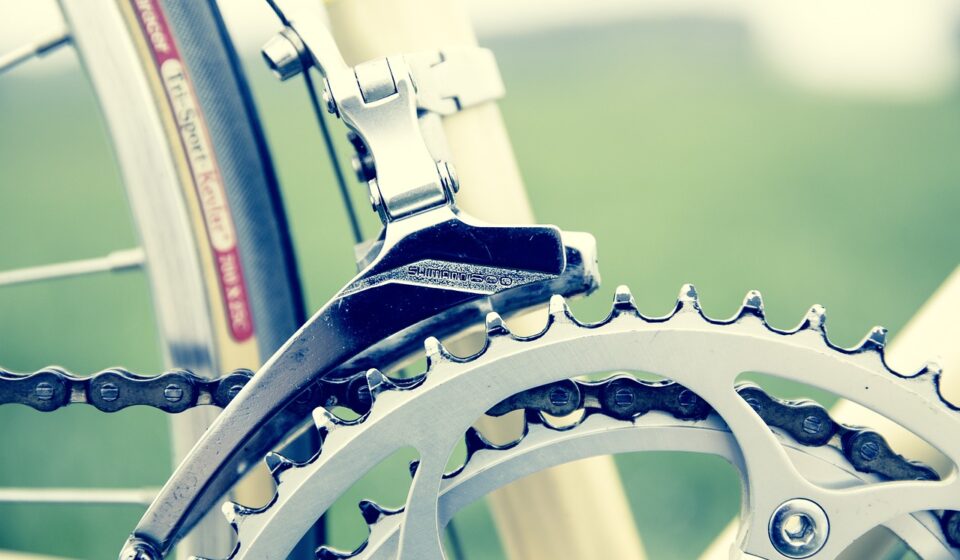
Gearing should match your strength and local climbs, not the setup used by professional racers. A compact crankset such as 50/34 paired with a wide-range cassette is a common choice for everyday road riding because it provides easier gears for hills. Faster riders may prefer larger chainrings, but most recreational cyclists benefit from lower climbing gears more often than from a very high top gear. See also: care tips.
Current road drivetrains commonly use 11-speed or 12-speed systems, depending on price level and brand. Shimano 105 has become a popular mid-range benchmark, with current 105 families offering modern 12-speed road options and hydraulic disc brake compatibility. SRAM Rival, Force and Red AXS lines are known for wireless electronic shifting in their current road ranges. Campagnolo also remains important in performance road cycling, particularly for riders who prefer its shifting feel and design approach.
Electronic shifting can feel precise and convenient, but it adds batteries, chargers and cost. Mechanical shifting is still practical, serviceable and perfectly suitable for many riders. Do not choose electronic shifting if it forces you to compromise on fit, wheels or tires. A comfortable bike with mechanical shifting is usually a better purchase than an uncomfortable bike chosen only for technology.
Set a realistic budget beyond the sticker price
The bike price is only part of the purchase. Plan for essentials before stretching to the most expensive frame. You may need a helmet, lights, bottle cages, bottles, pedals, shoes, a flat repair kit, a floor pump and basic tools. If the bike does not come with pedals, include them in the budget from the beginning.
A sensible budget structure looks like this:
- Entry-level: focus on correct fit, safe brakes, dependable shifting and durable wheels.
- Mid-range: look for hydraulic disc brakes, a quality aluminum or carbon frame, a reliable 11-speed or 12-speed groupset and better tire clearance.
- Performance range: expect lighter frames, upgraded wheels, electronic shifting options and more integrated cockpits.
- Premium range: pay for low weight, aerodynamic shaping, high-end components and brand-specific integration, but check serviceability carefully.
Integration deserves special attention. Hidden cables and one-piece bar-stem systems can look clean and may help aerodynamics, but they can make fit changes, travel packing and maintenance more expensive. If you are still learning your preferred position, a conventional stem and handlebar may be easier to adjust.
For more practical shopping comparisons, visit our buying guides section.
A practical pre-purchase checklist
Use this checklist before paying for a new or used road bike:
- Confirm the frame size using the brand geometry chart, not only height recommendations.
- Check stack and reach against bikes you have ridden comfortably.
- Ask for the official maximum tire clearance, including fender clearance if needed.
- Make sure the lowest gear is suitable for your local climbs.
- Test the brake feel from the hoods and drops.
- Inspect wheel standards, tire condition and tubeless compatibility.
- Check whether the cockpit allows normal fit adjustments.
- Budget for pedals, shoes, safety equipment and maintenance items.
- If buying used, inspect the frame, fork, wheels, drivetrain wear and brake surfaces or rotors.
- Confirm warranty terms and whether the shop includes a first service.
If you plan to race in events governed by UCI-style rules, also check the event’s equipment requirements. UCI road regulations include a 6.8 kg minimum bicycle weight for sanctioned competition, but most everyday buyers should not treat that number as a shopping target. Comfort, fit, braking and gearing will matter more on normal rides.
Frequently asked questions
What is the best type of road bike for beginners?
An endurance road bike is usually the best starting point for beginners because it balances speed with comfort and predictable handling. It is still a true road bike, but the position is often less aggressive than a race frame.
Should I buy carbon or aluminum for my first road bike?
Buy the better complete bike, not just the frame material. Aluminum can be excellent at entry and mid-range prices, especially with a carbon fork and reliable components. Carbon is attractive if the bike also fits well and does not force compromises on wheels, tires or gearing.
Are disc brakes worth it on a road bike?
For most new-bike buyers, yes. Hydraulic disc brakes provide strong, controlled braking and work well in wet conditions. Rim brakes can still be good on a used or budget bike, but disc-brake frames and wheels offer more future compatibility.
How much tire clearance should I look for?
For smooth roads, clearance for 28 mm to 32 mm tires is usually enough. For rough pavement, long-distance comfort or light all-road use, look for 35 mm or more. Always check the manufacturer’s stated limit rather than guessing from photos.
Is electronic shifting necessary?
No. Electronic shifting is convenient and precise, but it is not required for enjoyable road riding. Mechanical shifting remains a smart choice when it allows you to spend more on fit, wheels, tires or a better frame.
Final buying advice
The right road bike is the one that fits your body, your roads and your riding goals. Start with the category, confirm the geometry, check tire clearance and choose gearing that helps you ride comfortably on your hardest climbs. After that, compare materials, wheels and drivetrain levels within your budget. A bike that still feels comfortable after two hours will usually bring more value than a lighter or more fashionable model that only feels impressive during a short test ride.