Smart casual menswear guide for work, dinners and weekends
What smart casual menswear actually means
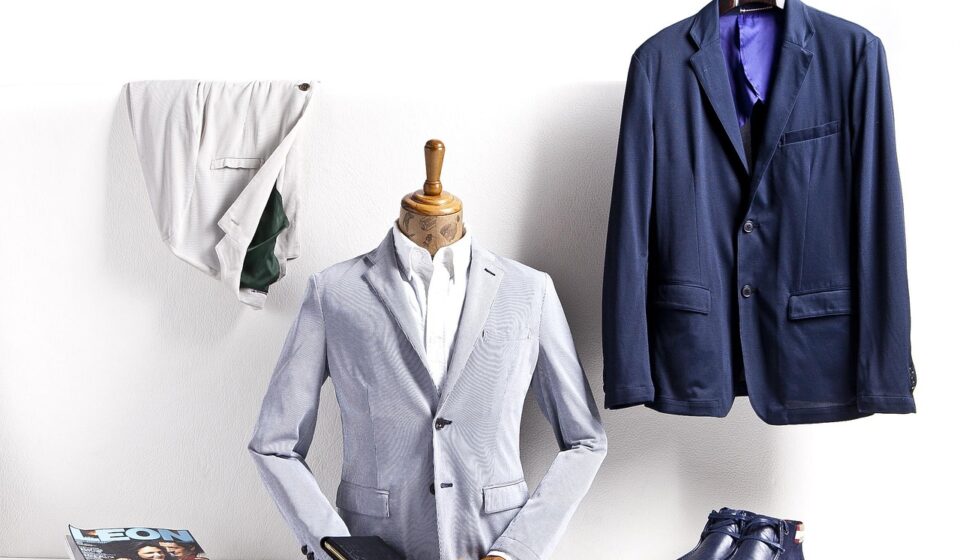
Smart casual menswear sits between full business dress and relaxed weekend clothing. It is not simply a suit without a tie, and it is not about making casual clothes look expensive. The aim is an outfit that looks considered, clean and appropriate while still feeling relaxed. A dependable smart casual look usually combines one structured element, such as a blazer, tailored trousers or collared shirt, with one softer element, such as knitwear, dark denim, suede footwear or a minimal sneaker.
The dress code appears in many settings: flexible offices, dinners, birthday parties, relaxed weddings, travel days, conferences and social events where a full suit would feel too formal. Public style guidance from retailers and menswear publications generally treats smart casual as context-dependent rather than fixed. The right choice depends on the venue, time of day, season and people in the room.
If you want more practical wardrobe advice, browse our buying guides for related style and product selection ideas.
The smart casual formula
The easiest way to read smart casual is in three parts: structure, ease and finish. When all three are covered, the outfit usually lands in the right place. When one is missing, the result can look too formal, too plain or too careless.
Add one structured piece
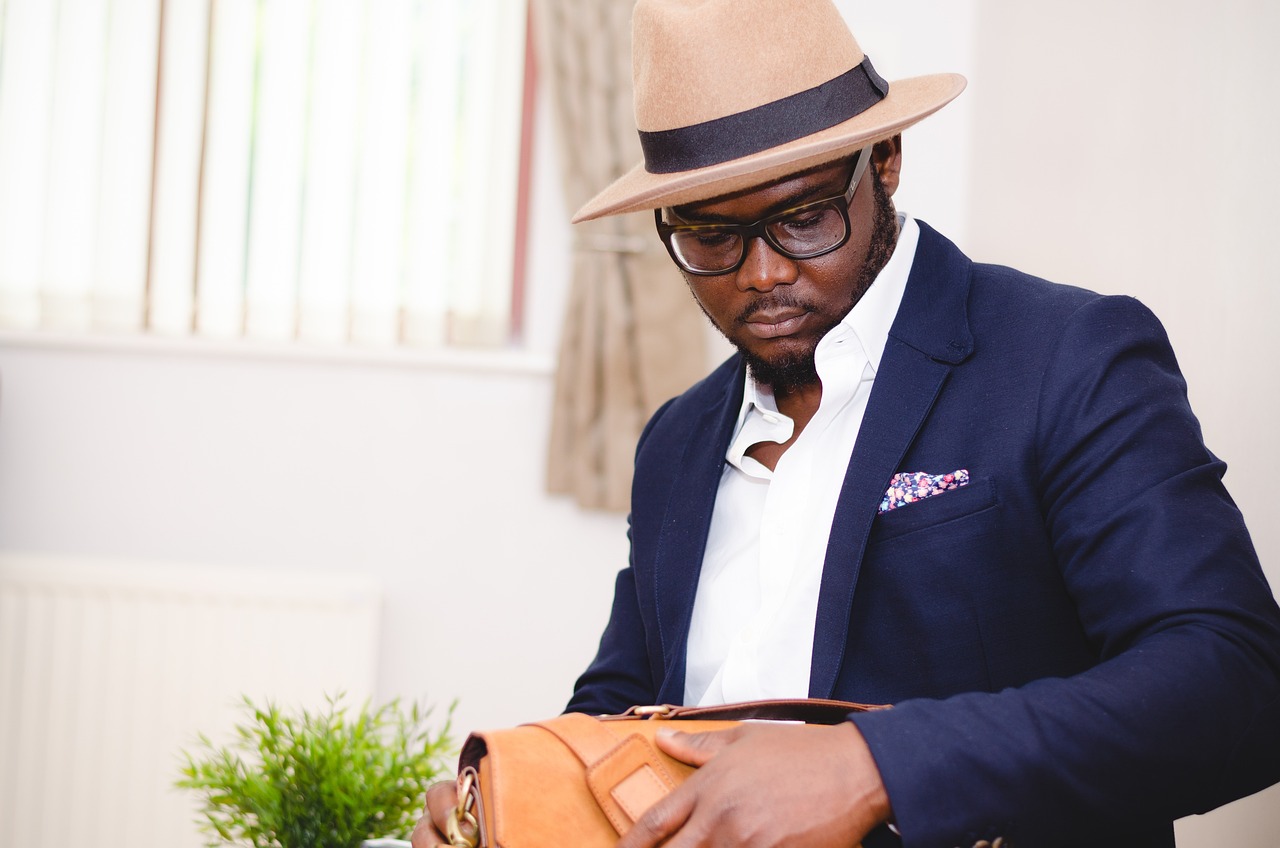
Structure gives the outfit its smart side. This could be a blazer, tailored overshirt, pressed trousers, clean collared shirt, fine-gauge polo, leather belt or polished shoe. The item does not need to feel stiff or corporate. A soft-shouldered navy blazer, wool overshirt or refined chore jacket can work better than a business suit jacket because it looks intentional without suggesting office uniform.
Keep one relaxed piece
The casual side keeps the outfit from looking overdressed. Chinos, dark jeans, knitted polos, suede loafers, clean sneakers and merino sweaters can all soften the look. The important word is clean. Distressed denim, graphic tees, gym sneakers, wrinkled shirts and stretched knitwear usually push the outfit too far toward casual.
Finish matters more than logos
Smart casual depends heavily on condition and fit. Clothes should be clean, pressed or naturally neat, and proportionate to the body. A simple navy knit with well-fitting trousers often looks sharper than a branded outfit with poor fit. The same applies to shoes: a plain leather sneaker in good condition can look smarter than a scuffed dress shoe.
Core pieces worth owning
A smart casual wardrobe does not need many items. It needs versatile pieces that can move between settings. Neutral colors such as navy, charcoal, olive, stone, white, brown and black are useful because they combine easily and look calmer than loud colors.
- Blazer or tailored jacket: Choose soft construction in navy, charcoal, brown or olive. Avoid shiny suit jackets unless the setting is close to business casual.
- Oxford or button-down shirt: White, pale blue and subtle stripes are reliable. A button-down collar feels less formal than a dress shirt collar.
- Knit polo: A strong alternative to a shirt when you want polish without office formality.
- Fine-gauge sweater: Merino, cotton or cashmere-blend knits layer well under jackets and over shirts.
- Chinos: Stone, navy, olive and dark beige are easy choices. Keep the cut straight or tapered rather than skinny.
- Tailored trousers: Wool or wool-blend trousers make casual tops look more refined.
- Dark denim: Choose straight or slim-straight jeans with little fading and no distressing.
- Loafers, derbies or chukka boots: These are among the most reliable smart casual shoes.
- Minimal sneakers: White, off-white, navy or black sneakers can work if they are clean, simple and not athletic in shape.
Outfit formulas by setting
The same wardrobe pieces can work in different environments when you adjust the level of formality. The table below shows practical combinations and the main point to watch in each situation.
| Setting | Outfit formula | Why it works | Watch out for |
|---|---|---|---|
| Flexible office | Oxford shirt, chinos, suede loafers, optional blazer | Professional without a full suit | Too much denim if the workplace leans formal |
| Dinner reservation | Knit polo, tailored trousers, leather loafers | Clean, refined and comfortable | Sportswear sneakers or overly casual outerwear |
| Weekend event | Merino sweater, dark jeans, chukka boots | Relaxed but still intentional | Faded jeans, heavy branding or wrinkled knitwear |
| Creative work meeting | Overshirt, plain tee, pleated trousers, minimal sneakers | Modern and approachable while still polished | A thin, worn-out T-shirt that looks like loungewear |
| Daytime wedding with relaxed dress code | Unstructured blazer, light shirt, tailored trousers, loafers | Respectful without looking like a business suit | Assuming jeans are acceptable unless the invitation makes that clear |
| Travel day with meetings | Knitted polo, stretch chinos, clean sneakers, lightweight jacket | Comfortable for movement but neat on arrival | Technical gym wear that reads too casual |
How to dress smart casual up or down
Smart casual is a range, not one fixed look. The useful skill is knowing how to move an outfit one step smarter or one step more relaxed without rebuilding it from scratch.
To make an outfit smarter
- Swap jeans for tailored trousers.
- Replace sneakers with loafers, derbies or clean boots.
- Add a blazer, structured overshirt or refined coat.
- Tuck in the shirt and add a leather belt.
- Choose darker colors, especially navy, charcoal and dark brown.
To make an outfit more relaxed
- Swap a dress shirt for an Oxford shirt, knit polo or fine sweater.
- Choose suede instead of polished leather footwear.
- Wear an unstructured jacket instead of a sharp suit blazer.
- Use dark, clean denim instead of formal trousers when the setting allows.
- Leave the tie at home unless the invitation suggests a more formal code.
For most men, the safest smart casual middle ground is straightforward: a collared shirt or refined knit, chinos or tailored trousers, and clean leather shoes or minimal sneakers. Add a jacket when the event involves work, dinner, guests you do not know well, or a venue with a dress policy.
Fit, fabric and color make the difference
Smart casual is less about owning unusual pieces and more about getting the basics right. Fit is the first filter. Trousers should sit cleanly at the waist and break lightly over the shoe. Shirts should not pull at the chest or balloon at the waist. Jackets should frame the shoulders without looking tight.
Fabric is the second filter. Oxford cotton, brushed cotton, merino wool, fine corduroy, suede, twill and wool blends often work well because they have texture without looking messy. Very shiny synthetics, thin jersey and gym fabrics usually look too casual unless the setting is explicitly relaxed. See also: care tips.
Color is the third filter. A smart casual wardrobe is easier to use when most pieces sit within a compatible palette. Navy, grey, white, ecru, olive, tobacco, chocolate and black can be mixed repeatedly without looking forced. Bright colors can work, but they are easier in small areas: a knit polo, scarf, sock or overshirt rather than the entire outfit.
Common smart casual mistakes
The biggest mistake is treating smart casual as permission to wear anything with a blazer. A blazer cannot rescue gym shoes, ripped jeans or a loud graphic tee in most settings. The outfit has to be balanced from top to bottom.
- Wearing a suit jacket as a blazer: Many suit jackets are too shiny, padded or formal to pair naturally with chinos or jeans.
- Confusing clean sneakers with running shoes: Minimal leather or canvas sneakers can work; performance trainers often look too sporty.
- Ignoring the venue: A restaurant, office, wedding venue and rooftop bar may all use the same phrase but expect different levels of polish.
- Choosing novelty over versatility: Loud prints and trend pieces are harder to repeat than simple, well-cut basics.
- Forgetting grooming and maintenance: Wrinkles, stains, lint and scuffed shoes can make expensive clothes look careless.
A buying checklist for smart casual menswear
When shopping, focus on gaps instead of buying complete outfits at once. A useful first capsule might include two shirts, one knit polo, one sweater, two pairs of trousers, one dark denim option, one jacket and two pairs of shoes. That is enough to create combinations for work, dinners and weekends without overloading the wardrobe.
Before buying any item, ask five questions. Can it be worn with at least three things you already own? Does it look neat without being too formal? Is the fabric suitable for the season in which you will wear it? Will the color still make sense next year? Does it fit well now, not after a future alteration you may never make?
Spend more where wear is high and fit matters: shoes, trousers, jackets and knitwear. Save on items that are easier to rotate, such as basic Oxford shirts and plain tees. If you are between sizes, prioritize clean lines over a tight silhouette. Smart casual should look comfortable, not squeezed.
Frequently asked questions
Can men wear jeans for smart casual?
Yes, but the jeans should be dark, clean and simple. Straight or slim-straight denim in deep indigo or black works best. Avoid rips, heavy fading, oversized distressing and casual washes for offices, dinners and semi-formal social events.
Are sneakers smart casual?
Sneakers can be smart casual if they are minimal, clean and not designed primarily as gym shoes. Plain leather, suede or simple canvas styles are safer than bulky running shoes. When in doubt, choose loafers, derbies or chukka boots instead.
Is a T-shirt acceptable for smart casual menswear?
A T-shirt can work in more relaxed settings if it is plain, high quality, well fitted and paired with smarter items such as tailored trousers, a refined jacket and clean shoes. For offices, weddings and unfamiliar venues, a collared shirt or knit polo is usually safer.
What is the difference between smart casual and business casual?
Business casual usually leans more office-focused and may favor collared shirts, chinos, blazers and leather shoes. Smart casual is broader and can include social settings, darker denim, knit polos, overshirts and minimal sneakers when the context allows.
What should men avoid in a smart casual outfit?
Avoid gym wear, flip-flops, distressed denim, stained or wrinkled clothing, loud graphics, novelty accessories and shoes in poor condition. These details can make the outfit feel careless even if one or two pieces are technically smart.