Personal care tips for a cleaner, safer daily routine
Build personal care around repeatable habits
Personal care tips are most useful when they fit a normal day. A safer routine is not about using more products or following every trend; it is about repeating a few proven habits consistently. Clean hands, gentle cleansing, daily sun protection, oral care, careful product storage, and enough recovery time can do more for comfort and appearance than an overcrowded shelf.
Public health and medical groups such as the CDC, the American Academy of Dermatology, the American Dental Association, and the FDA all emphasize simple behaviors that reduce avoidable irritation, contamination, and hygiene problems. The goal is to support your skin, hair, mouth, and clothing choices without making the routine time-consuming or confusing.
If you want more practical fashion and product care guidance, browse the care tips section for related articles.
| Part of the day | Care focus | Simple habit to repeat |
|---|---|---|
| Morning | Clean start | Wash your face gently, brush teeth, apply moisturizer and sunscreen if exposed to daylight. |
| During the day | Hygiene and protection | Wash hands at key times, avoid touching the face, and keep grooming tools clean. |
| After sweating | Skin comfort | Change out of sweaty clothing, cleanse gently, and reduce friction from tight fabrics. |
| Evening | Reset and recovery | Remove makeup, clean between teeth, moisturize dry areas, and prepare for sleep. |
Keep skin care simple and barrier-friendly
The skin barrier helps limit water loss and protects against outside irritants. A routine that constantly strips, scrubs, or layers strong active ingredients can leave skin feeling tight, red, flaky, or reactive. For most people, a practical routine starts with a gentle cleanser, moisturizer, and sun protection, not a long list of products.
The American Academy of Dermatology advises washing the face twice a day and after heavy sweating. That guidance is both a reminder and a useful limit. More washing is not always better, especially for dry or sensitive skin. Use lukewarm water, avoid rough scrubbing, and pat skin dry instead of rubbing aggressively with a towel.
Moisturizer works best when it helps trap water in the outer layer of skin. For dry skin, dermatology guidance often emphasizes applying a fragrance-free moisturizer while the skin is still slightly damp after bathing or handwashing. Creams and ointments are usually more protective than thin lotions for very dry areas. Lightweight non-comedogenic products may feel better for oily or acne-prone skin.
- Choose fragrance-free rather than simply unscented if your skin is easily irritated.
- Introduce one new skin care product at a time so you can notice which product helps or causes a reaction.
- Use exfoliating acids, retinoids, and acne treatments cautiously, especially if your skin already feels irritated.
- Stop using a product that causes burning, swelling, hives, or a worsening rash, and seek professional care if symptoms persist.
Make sun protection a daily personal care step
Sun protection is often treated as a beach habit, but it belongs in everyday personal care. The American Academy of Dermatology recommends choosing sunscreen labeled broad spectrum, SPF 30 or higher, and water resistant when sun exposure is expected. Broad spectrum means the product is designed to protect against both UVA and UVB rays. Water resistance matters when sweating or swimming.
Apply sunscreen generously to exposed skin, including commonly missed areas such as the ears, back of the neck, hands, and the part line of the scalp. Reapplication matters outdoors, especially after sweating, swimming, or towel drying. Sunscreen also works better as part of a wider strategy: seek shade, wear sunglasses, and choose hats or tightly woven clothing when sun exposure is strong.
For a fashion product audience, sun protection can be built into styling choices. A wide-brim hat, breathable long sleeves, UV-protective fabrics, and sunglasses can reduce the amount of exposed skin while still supporting a polished look. This is where personal care and wardrobe planning work together rather than competing.
Use hygiene habits that reduce avoidable risk
Hand hygiene is one of the most practical care habits because hands transfer germs, oils, and residue to the face, mouth, phone, cosmetics, and clothing. The CDC recommends washing hands with soap and water for at least 20 seconds at important times, including before eating, after using the restroom, after coughing or sneezing, after handling garbage, and before caring for a cut or wound. If soap and water are not available, the CDC advises using hand sanitizer with at least 60 percent alcohol.
Good hand hygiene also improves beauty and grooming routines. Clean hands before applying contact lenses, eye makeup, lip products, facial serums, or acne treatments. This small step helps reduce the chance of transferring unwanted residue into sensitive areas.
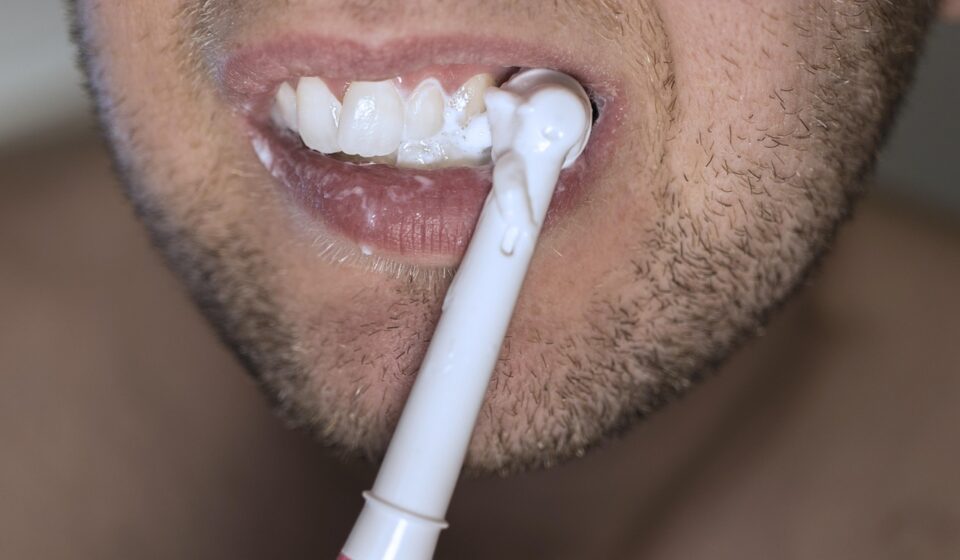
Oral care is another daily habit with visible and health-related effects. The American Dental Association recommends brushing twice a day with fluoride toothpaste for two minutes and cleaning between the teeth daily with floss or another interdental cleaner. Mouthwash can be useful for some people, but it should not replace brushing or cleaning between teeth. Bleeding gums, persistent bad breath, tooth pain, or sensitivity should be discussed with a dental professional rather than covered up with stronger flavors or whitening products.
Handle cosmetics and grooming tools carefully
Personal care products come into close contact with skin, eyes, lips, hair, and sometimes broken or irritated areas. That makes storage and handling important. The FDA advises consumers not to share eye cosmetics, not to add saliva or water to dried mascara, and to discard eye cosmetics used during an eye infection. It also warns that cosmetics stored in high heat, such as in a hot car, may deteriorate more easily.
For daily use, the rule is simple: keep clean products clean. Wash hands before dipping into jars, close lids tightly, wipe residue from container openings, and avoid leaving products open in humid bathrooms for long periods. If a product changes smell, color, or texture, treat that as a warning sign. Eye products deserve extra caution because the eye area is delicate and infections can become serious.
- Do not share mascara, eyeliner, lip gloss, razors, or tools that touch bodily fluids.
- Wash reusable makeup brushes and sponges regularly and let them dry fully before storage.
- Replace disposable razors or blades when they become dull, rusty, or irritating.
- Keep travel-size containers clean and label them if similar products could be confused.
- Store sunscreen, cosmetics, and skin care away from excessive heat whenever possible.
Connect grooming choices with clothing and movement
Personal care does not stop at the bathroom sink. Clothing, accessories, workouts, and weather can all influence skin comfort. Tight waistbands, rough seams, heavy backpacks, helmets, and synthetic fabrics can trap sweat or create friction. After exercise or hot commutes, changing out of damp clothes and cleansing sweat-prone areas can help reduce odor and irritation. See also: buying guides.
The American Academy of Dermatology recommends gentle cleansing after sweating, especially for people prone to breakouts. If you cannot shower immediately, changing clothes and using a clean towel to pat away sweat is better than staying in wet fabric for hours. For acne-prone skin, choose non-comedogenic products and be cautious with heavy body oils under tight athletic wear.
Shaving is another area where technique matters. Dermatology guidance commonly suggests softening hair with warm water, using shaving cream or gel, shaving in the direction of hair growth when irritation is a concern, and replacing dull blades. People who often develop razor bumps may need to change their method, shave less closely, or seek professional advice.
Personalize the routine instead of copying every trend
Trends can be useful for discovering new products, but they should not override your own skin, hair, oral health, budget, or schedule. A routine that works for someone with oily skin, short hair, and a dry climate may not work for someone with eczema-prone skin, textured hair, braces, or a humid commute. The most reliable routine is the one that solves your actual needs without creating new problems.
Patch testing can be helpful when trying a new skin care product, especially if you have a history of irritation. Apply a small amount to a limited area and wait before using it widely. If you develop recurring rashes, swelling, or itching, a dermatologist may recommend medical patch testing to identify possible allergens.
For intimate care, avoid harsh products marketed as making the body smell artificially clean. The American College of Obstetricians and Gynecologists advises against douching and warns that scented vaginal hygiene products can be irritating for some people. Clean the external area gently and seek medical guidance for unusual odor, pain, itching, or discharge instead of masking symptoms with fragranced products.
A practical weekly care checklist
Daily habits are the foundation, but a weekly check helps prevent clutter, expired products, and neglected tools. Set aside ten minutes once a week to reset your personal care area.
- Check razors, toothbrushes, sponges, and makeup applicators for wear or buildup.
- Wash brushes, combs, and reusable tools that collect oil, hair products, or skin debris.
- Review open products and remove anything that smells unusual or has separated unexpectedly.
- Restock basics such as toothpaste, sunscreen, hand soap, moisturizer, and clean towels.
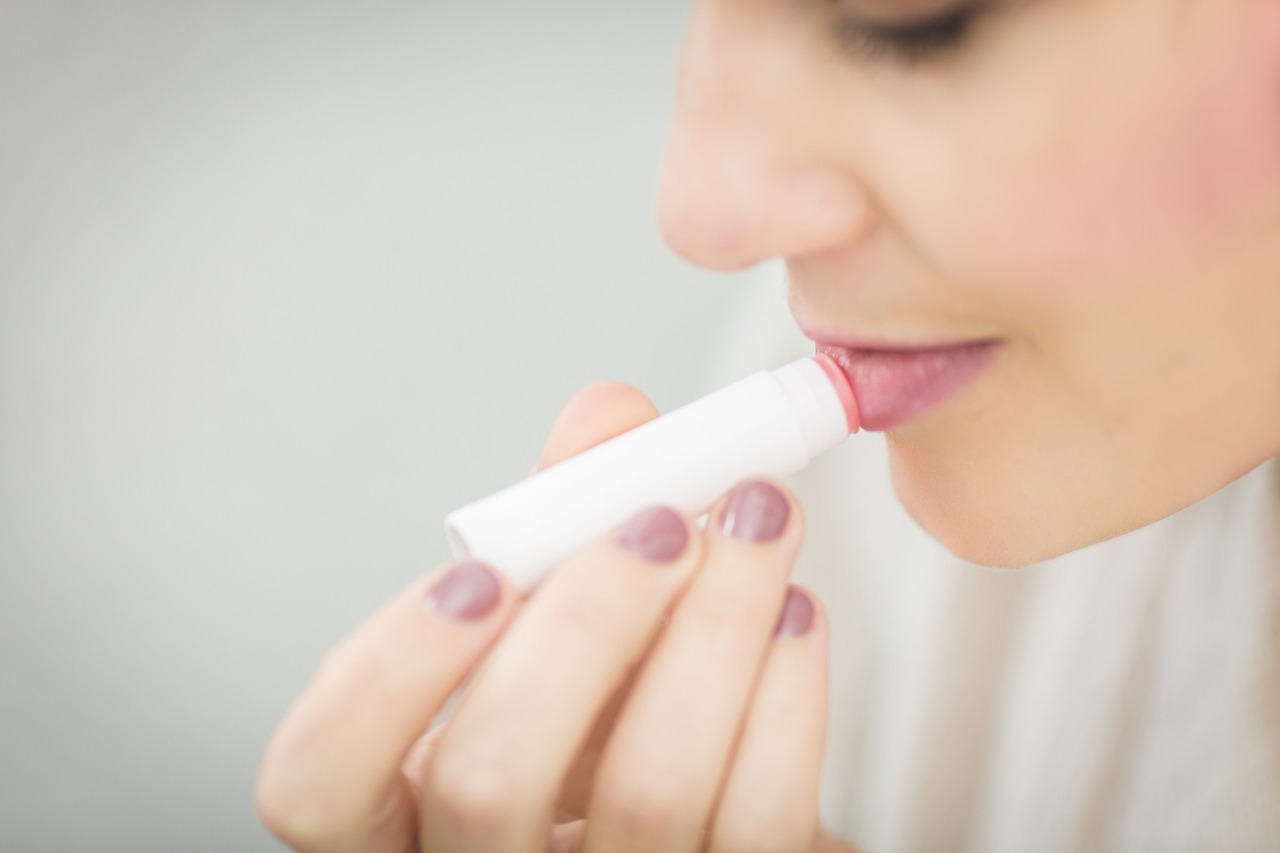
- Prepare a small travel kit with hand sanitizer, lip balm, sunscreen, tissues, and any personal essentials.
A useful personal care routine connects product safety, hygiene timing, skin barrier support, and clothing habits into one system. Instead of relying on one product to fix everything, look at whether your daily environment supports the results you want.
Frequently asked questions
What are the most important personal care tips for beginners?
Start with handwashing, gentle cleansing, moisturizer when needed, sunscreen for sun exposure, brushing twice daily, cleaning between teeth, and careful handling of cosmetics or razors. Once those basics are consistent, add targeted products only when you have a clear reason.
How many skin care products do I really need?
Many people can begin with three core products: cleanser, moisturizer, and sunscreen. Treatments for acne, dark spots, dryness, or aging can be added gradually, but too many new products at once make it difficult to identify irritation.
Is natural always safer for personal care?
No. Natural ingredients can still irritate skin or trigger allergies, and synthetic ingredients are not automatically harmful. Safety depends on the formula, concentration, preservation, labeling, and how your body responds.
How often should I change my routine?
Change your routine when your needs change, such as a new season, travel, medication, pregnancy, skin condition, dental issue, or workout schedule. Avoid changing everything at once unless a product is clearly causing irritation.
When should I seek professional advice?
Seek medical or dental advice for persistent rashes, swelling, eye irritation, bleeding gums, tooth pain, unusual discharge, infected cuts, or symptoms that worsen despite basic care. Personal care supports health, but it should not replace professional diagnosis or treatment.