Practical ways of taking care of your body every day

Start with the basics your body uses every day
The most useful ways of taking care of your body are not complicated. They start with nutrient-dense meals, enough fluids, regular movement, adequate sleep, sun protection, clean hands and mouth, and clothing that lets your body move comfortably. Beauty, grooming, and fashion routines can support these habits, but they work best when they reinforce the basics rather than replace them. A good body care routine should be realistic on an ordinary weekday, not only when you have extra time.
Think of body care as a layered system. The first layer is daily behavior that supports health. The second is grooming and product use, including cleanser, moisturizer, sunscreen, deodorant, oral care, and hair care. The third is what touches your body for hours at a time: fabric, shoes, accessories, bags, and fit. When these layers work together, the routine is easier to maintain and more comfortable to live in.

For more practical style and personal maintenance ideas, browse the care tips section.
Build meals and hydration into body care
Body care starts before any product touches your skin. Food and fluid intake affect energy, digestion, skin comfort, workout recovery, and how steady you feel during the day. The current Dietary Guidelines for Americans emphasize whole, nutrient-dense foods such as vegetables, fruits, protein foods, dairy or fortified alternatives, healthy fats, and whole grains. That does not mean every meal has to be perfect. Your regular pattern matters more than one snack or restaurant meal.
A practical plate is easier to follow than a strict rule. Aim to include a protein source, a colorful plant food, a fiber-rich carbohydrate when it fits the meal, and a fat source that helps the meal feel satisfying. Examples include eggs with fruit and whole-grain toast, a rice bowl with vegetables and fish, yogurt with nuts and berries, or beans with avocado and salad. If your schedule is busy, repeating a few balanced meals is often more useful than trying to create variety every day.
Hydration works the same way: useful guidance should still leave room for individual needs. The National Academies has long used adequate intake ranges for total water from beverages and food, but needs vary with heat, activity, body size, pregnancy or breastfeeding, health conditions, and medications. Instead of forcing one fixed number, pay attention to practical signals such as pale yellow urine, fewer dehydration-related headaches, less dry mouth, and steadier energy. Water, milk, tea, coffee in moderate amounts, soups, fruits, and vegetables all contribute fluid. If you sweat heavily, spend time outdoors, or exercise for a long time, you may need more fluids and sometimes electrolytes.
- Keep a reusable bottle where you work or study.
- Add a glass of water with morning medication, vitamins, or breakfast if those are part of your routine.
- Use water-rich foods such as oranges, cucumbers, soups, and yogurt when plain water feels hard to drink.
- Avoid making coffee, energy drinks, or sweet beverages a routine replacement for meals.
Build a skin, hair, and nail routine that protects
Skin care does not need to be crowded with steps. For most people, a basic routine includes gentle cleansing, moisturizing when skin feels dry, and sun protection when skin is exposed to ultraviolet light. The American Academy of Dermatology recommends broad-spectrum sunscreen with SPF 30 or higher, and water resistance when swimming or sweating. Clothing can also be part of sun care: shade, sunglasses, hats, and tightly woven or UPF-rated garments help reduce exposure.
Cleanse your body in a way that respects the skin barrier. Hot water, harsh scrubbing, and strong fragrance can leave some skin types tight or irritated. A gentle body wash, lukewarm water, and moisturizing after bathing are often enough. Areas that sweat or collect odor, such as underarms, feet, groin folds, and skin under fitted sportswear, may need more consistent attention. If you use deodorant, body spray, exfoliating acids, retinoids, or hair removal products, introduce one change at a time so irritation is easier to spot.
Hair care should match your scalp and texture, not a trend. Oily scalps may need more frequent washing, while curly, coily, color-treated, or dry hair may need gentler cleansing and more conditioning. The goal is a clean scalp, manageable strands, and minimal breakage. Tight hairstyles, rough towel drying, and excessive heat styling can stress hair over time. If you often wear hats, helmets, wigs, or headscarves, let the scalp dry fully when possible and clean items that touch the scalp regularly.
Nail care is part grooming and part hygiene. Keep nails trimmed to a comfortable length, clean under them gently, and avoid using nails as tools. If you wear polish, press-ons, acrylics, or gel, pay attention to lifting edges, moisture trapped under enhancements, and soreness around the nail folds. Persistent discoloration, pain, swelling, or separation of the nail from the nail bed is not a styling issue; it is a reason to seek professional advice.
Let clothing and accessories support your body
Fashion can look good and still be practical. Clothes, shoes, bags, jewelry, and accessories sit against the body for hours, so fit and material matter. Too-tight waistbands, stiff seams, heavy bags, and shoes that pinch can affect comfort long before they affect appearance. A useful body care question is simple: can you breathe, sit, walk, lift your arms, and move normally in what you are wearing?
Fabric choice also matters. Breathable materials can help reduce trapped sweat in warm weather, while insulating layers help the body stay comfortable in cold weather. For workouts, long commutes, travel, or humid climates, moisture-wicking pieces may reduce dampness and friction. For sensitive skin, smoother seams, tagless designs, washed-before-wear clothing, and fragrance-free laundry products may be more comfortable.
Footwear deserves special attention because it changes how the rest of the body feels. Shoes should give enough room at the toes, hold the heel securely, and suit the activity. A stylish shoe may be fine for a short event but uncomfortable for a full day of walking. Rotating shoes, drying them between wears, and choosing clean socks can also help reduce odor and friction.
Accessories should not quietly create strain. A heavy shoulder bag carried on one side every day can feel stylish but tiring. Try rotating shoulders, using a crossbody strap, or choosing a backpack for heavier loads. Jewelry that irritates the skin, watchbands that trap sweat, or belts that dig in are small details worth adjusting. Good style should make the body feel supported, not punished.
Move, rest, and recover on a realistic schedule
Movement is one of the most evidence-supported body care habits. The CDC summarizes the adult guideline as at least 150 minutes of moderate-intensity aerobic activity per week, or 75 minutes of vigorous-intensity activity, plus muscle-strengthening activity on two days. The routine does not have to be complicated: brisk walking, cycling, dancing, swimming, climbing stairs, resistance bands, bodyweight training, or lifting weights all count when done safely and consistently.
If you are starting from a low activity level, take a gradual approach. Ten minutes of walking after meals, a short mobility routine in the morning, or two beginner strength sessions per week can build confidence. Progress is not only more intensity. It can also mean better posture, less stiffness, steadier balance, or being able to carry groceries more comfortably. See also: buying guides.
Recovery is not laziness; it is part of care. Adults generally need at least seven hours of sleep per night, according to CDC sleep guidance. Sleep helps the body repair, regulate energy, and function during the day. A realistic sleep routine may include a consistent bedtime, lower light before bed, fewer late caffeine habits, and a cool, comfortable bedroom. If poor sleep continues despite routine changes, or if snoring, gasping, pain, anxiety, or frequent waking is involved, professional guidance is appropriate.
- Use movement breaks if you sit for long periods.
- Stretch gently after long travel, desk work, or standing shifts.
- Train strength with movements you can perform safely and repeatably.
- Plan rest days, especially after intense activity or poor sleep.
Keep hygiene and oral care simple but thorough
Hygiene is not about over-cleaning. It is about cleaning the right areas at the right times without damaging the skin. The CDC recommends washing hands with soap and water for at least 20 seconds, especially before eating, after using the restroom, after coughing or sneezing, and after handling situations likely to spread germs. When soap and water are not available, hand sanitizer with at least 60% alcohol is a practical backup for many everyday settings.
Bathing frequency depends on sweat, climate, activity, skin type, and personal preference. After heavy sweating, swimming, or wearing tight activewear, changing and washing helps remove sweat, salt, and bacteria from the skin. At the same time, very hot showers and harsh scrubbing can leave skin dry. If your skin feels tight, itchy, or flaky after bathing, shorten the shower, lower the water temperature, and moisturize while skin is slightly damp.
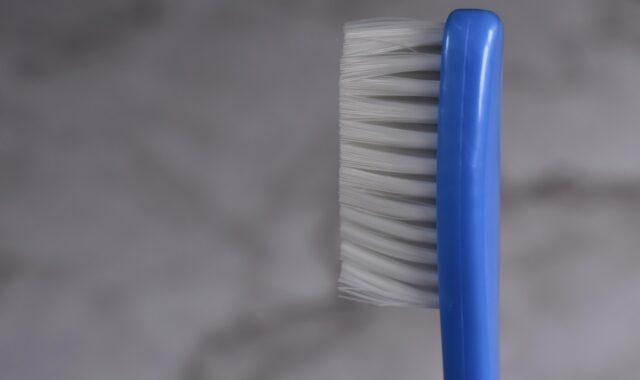
Oral care is another daily habit that is easy to underestimate. The American Dental Association recommends brushing twice a day with fluoride toothpaste and cleaning between teeth daily with floss or another interdental cleaner. Mouthwash can be useful for some people, but it does not replace brushing and interdental cleaning. Regular dental visits help detect problems earlier, and pain, bleeding gums, loose teeth, or persistent bad breath should not be ignored.
Body odor care should be practical rather than shame-based. Sweat itself is normal. Odor often develops when bacteria break down sweat, especially in warm, covered areas. Clean clothing, breathable fabrics, washing sweat-prone areas, and using deodorant or antiperspirant if desired can all help. If odor changes suddenly or comes with rash, pain, discharge, fever, or other symptoms, it is safer to seek medical advice instead of covering it with fragrance.
A practical weekly body care checklist
A checklist turns broad advice into a routine you can follow. Use this as a flexible guide, not a scorecard. Your climate, work, health, culture, budget, and personal style will shape the details.
| Care area | Daily habit | Weekly check | Why it matters |
|---|---|---|---|
| Skin | Cleanse sweat-prone areas, moisturize dry skin, use sun protection outdoors | Check for irritation from products, shaving, clothing, or accessories | Supports comfort, barrier function, and UV protection |
| Hair and scalp | Clean or refresh based on scalp needs and activity | Wash hats, pillowcases, scarves, or hair tools that touch the scalp | Reduces buildup, odor, and friction |
| Oral care | Brush twice and clean between teeth once | Replace worn toothbrushes or brush heads when bristles fray | Helps remove plaque and maintain gum health |
| Movement | Walk, stretch, train, or take movement breaks | Plan aerobic and strengthening sessions before the week gets busy | Supports strength, circulation, mobility, and energy |
| Clothing | Wear pieces that fit, breathe, and match the activity | Air out shoes, wash activewear, inspect seams and waistbands | Improves comfort and reduces sweat, friction, and strain |
| Sleep | Keep a steady wind-down routine when possible | Notice patterns in caffeine, screen time, stress, or late meals | Supports recovery, mood, and daily function |
The point is not to do everything perfectly. The point is to remove small obstacles that make body care harder: shoes that hurt, products that irritate, skipped meals, inconsistent sleep, unwashed workout clothes, or a routine that is too complicated to repeat. When the basics are easier, style and grooming feel more enjoyable.
Frequently asked questions
What are the most important ways of taking care of your body?
The most important habits are eating a balanced pattern of nutrient-dense foods, staying hydrated, moving regularly, sleeping enough, practicing basic hygiene, protecting skin from sun exposure, caring for teeth and gums, and wearing clothing and shoes that fit comfortably. Products can support these habits, but they should not replace them.
How do I start a body care routine if I feel overwhelmed?
Start with three repeatable actions: drink water with breakfast, walk or stretch for 10 minutes, and brush and floss at a consistent time. Once those feel automatic, add one grooming or clothing upgrade, such as daily sunscreen, a gentler body wash, better socks, or shoes that suit your daily walking.
Do I need many products to take care of my body?
No. Many people can begin with a gentle cleanser, moisturizer if needed, sunscreen for exposed skin, deodorant or antiperspirant if desired, fluoride toothpaste, floss or an interdental cleaner, shampoo and conditioner suited to hair type, and clean, comfortable clothing. Add specialized products only when they solve a real problem.
How can clothing be part of body care?
Clothing affects heat, sweat, friction, posture, sun exposure, and comfort. Breathable fabrics, proper shoe fit, clean activewear, supportive bags, and non-irritating accessories can make daily body care easier. Style works better when it respects movement and comfort.
When should I get professional advice?
Seek professional advice for persistent pain, unusual fatigue, sudden skin or nail changes, rashes that do not improve, bleeding gums, tooth pain, sleep problems that continue, unexplained odor changes, or symptoms that interfere with daily life. Everyday care is helpful, but it is not a substitute for medical, dental, or dermatology care when something seems wrong.