Summer self care tips for skin, hair, and wardrobe comfort

Start with a practical summer self care reset
Summer self care is not only about looking fresh in warm weather. A useful routine helps manage sun exposure, sweat, dehydration, skin irritation, hair dryness, and the extra wear that heat can place on clothing, shoes, and accessories. Keep the routine simple: protect exposed skin, choose breathable layers, drink fluids throughout the day, rinse away sweat or pool residue, and clean summer fashion items before odors or stains set in.
Public guidance from the American Academy of Dermatology, the CDC, the EPA, and the FDA points in the same direction: summer comfort works best when prevention is built into the day, not saved until after you feel overheated or sunburned. For more seasonal maintenance ideas, browse the care tips section.
Build sun protection into your outfit before you leave
Sun care is the base of a summer routine because ultraviolet exposure affects skin even when the weather feels mild or partly cloudy. The American Academy of Dermatology recommends choosing sunscreen that is broad spectrum, SPF 30 or higher, and water resistant. Broad spectrum means the product is designed to protect against both UVA and UVB rays. Water resistance matters when you sweat, swim, or spend long periods outdoors.
Sunscreen should not be the only protective step. Shade, hats, sunglasses, and clothing all matter. The CDC advises using shade, protective clothing, a wide-brimmed hat, wraparound sunglasses, and sunscreen to reduce UV exposure. The EPA’s UV Index can also help with planning. It forecasts the risk of overexposure on a scale from 1 to 11+, with higher numbers calling for stronger protection and less midday exposure.
Use the timing rules that are easy to forget
- Apply sunscreen to dry skin before going outdoors, rather than waiting until you are already in direct sun.
- Reapply about every two hours when outside, and sooner after swimming, sweating, or towel drying.
- Read water resistance labels carefully. FDA labeling rules use 40-minute or 80-minute water resistance claims, not “waterproof” promises.
- Protect often-missed areas such as ears, neck, tops of feet, hairline, lips, and the backs of hands.
For a fashion-focused routine, make sun protection part of the outfit plan. A loose long-sleeve linen shirt, a tightly woven cover-up, a brimmed hat, UV-protective sunglasses, and a small sunscreen stick for touch-ups are often easier to maintain than relying on one morning application.
Stay cool and hydrated without overcomplicating the day
Heat care is part of self care, not an afterthought. The CDC’s heat guidance updated in July 2026 emphasizes staying cool, staying hydrated, and knowing the symptoms of overheating. It advises carrying a water bottle, drinking and refilling it throughout the day, and considering limits on beverages high in sugar, sodium, caffeine, or alcohol during hot conditions.
A practical approach is to connect hydration with routines already in place. Drink water when you apply sunscreen, when you change locations, after a commute, and before outdoor errands. CDC guidance notes that urine that is light yellow or clear usually suggests you are drinking enough water. Dark urine, dizziness, weakness, nausea, or unusual sweating should be treated as a signal to cool down and reassess.
Dress for heat management
Clothing can either trap heat or help the body release it. Loose silhouettes, breathable fabrics, and lighter layers often feel better than tight synthetic pieces in humid weather. For direct sun, coverage still matters. A lightweight long sleeve can be more protective than bare skin, especially when sunscreen is used on exposed areas.
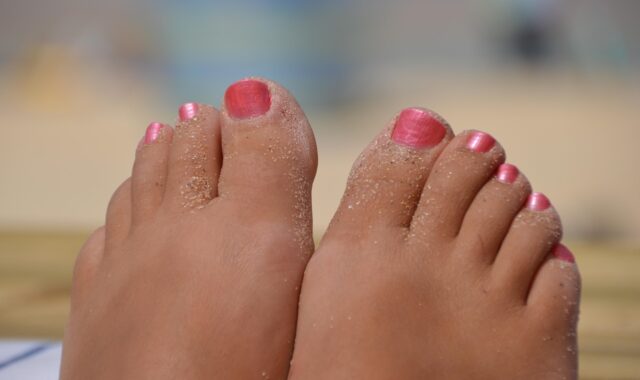
Accessories can help too. Choose a hat with a brim that shades the face, ears, and neck. Pick sunglasses labeled for UVA and UVB protection or UV400 protection. Sandals and ventilated shoes can improve comfort, but exposed feet still need sunscreen if they will be in the sun.
Keep skin calm when sweat, sunscreen, and humidity collide
Summer skin issues often come from combinations: sweat plus oil, sunscreen plus friction, pool water plus air-conditioning, or heat plus tight clothing. The American Academy of Dermatology notes that sweat can mix with bacteria and oils on skin and clog pores, especially for acne-prone skin. It recommends blotting sweat with a clean towel rather than wiping aggressively, washing sweaty clothes and hats before wearing them again, and using non-comedogenic products on breakout-prone areas.
A gentle routine is usually better than adding several strong products at once. Cleanse after heavy sweating, but avoid harsh scrubbing. Use warm rather than hot water for showers. If skin feels dry after swimming, sun, or air-conditioning, apply a fragrance-free moisturizer soon after bathing to help trap water in the skin.
Choose summer beauty products by function
- For oily or breakout-prone skin, look for “non-comedogenic,” “oil free,” or “won’t clog pores” wording.
- For sensitive skin, keep fragrance-heavy products away from areas that will sweat or rub under straps and waistbands.
- For deeper skin tones or hyperpigmentation concerns, tinted broad-spectrum sunscreen can be worth considering because some tinted formulas include iron oxides.
- For lips, use a lip product with SPF when spending time outdoors.
If a rash, burn, blistering, or irritation worsens or does not improve, contact a dermatologist or qualified health professional instead of continuing to layer products over the problem.
Protect hair, scalp, and accessories from sun, salt, and chlorine
Hair and scalp need summer care as well. Sun exposure, pool chemicals, salt water, and frequent washing can leave hair feeling dry, rough, faded, or brittle. Dermatology guidance commonly recommends rinsing hair after swimming and protecting the scalp and hair with a wide-brimmed hat when outdoors.
Before swimming, wetting hair with clean water can reduce how much pool or salt water it absorbs. After swimming, rinse as soon as practical, then use a gentle shampoo and conditioner suited to your hair type. Frequent swimmers may use a clarifying shampoo occasionally, but daily clarifying can be too drying for some hair textures.
Do not ignore the scalp
The scalp can burn, especially along a part line, around thinning areas, or near the hairline. A hat is often the neatest option because it protects both scalp and face while also completing a summer outfit. If a hat is not practical, consider a sunscreen format designed for scalp or hairline application, and reapply according to the label. See also: buying guides.
Accessories also need care. Sweat, sunscreen, and salt can build up on hats, scarves, sunglasses, watch bands, and bag straps. Wipe sunglasses and hard accessories with a soft cloth. Air out hats and bags before storing them. For fabric items, follow the care label and avoid sealing damp pieces in closets or travel pouches.
Care for clothing, bags, and shoes after hot days
Summer fashion items often deteriorate because care is delayed. Sweat, deodorant, sunscreen, body oil, sand, and pool residue can discolor fabric, weaken elastic, stain collars, or leave odors. The best habit is to treat garments quickly and gently.
Let damp clothing dry before placing it in a hamper. Rinse swimwear in cool fresh water after pools or the ocean. Hand wash delicate pieces when the label calls for it, and avoid wringing swimwear or fine knits because twisting can damage fibers. For white or pale clothing, check collars, underarms, and strap areas before washing because sunscreen and sweat marks can become harder to remove after heat drying.
| Summer issue | What to check | Care habit |
|---|---|---|
| Sunscreen marks | Necklines, straps, cuffs, bag contact points | Pre-treat gently before washing and avoid high heat until stains are gone |
| Sweat odor | Underarms, waistbands, hat bands, shoe interiors | Air dry first, then wash according to the care label |
| Pool or salt residue | Swimwear, cover-ups, sandals, beach bags | Rinse with fresh water and dry fully before storage |
| Heat damage | Leather, faux leather, adhesives, sunglasses, cosmetics | Keep items out of parked cars and direct sunlight when possible |
Shoes deserve the same attention as clothing. Rotate pairs so each one has time to dry. Use socks or foot liners when appropriate. Wipe sandals after beach or pool use, especially around buckles and straps where salt and sunscreen can collect.
A simple summer self care checklist
The easiest summer routine is the one you can repeat. Keep a small seasonal kit near your door, in your work bag, or in your travel tote so essentials are ready before you are rushed.
- Broad-spectrum SPF 30 or higher sunscreen
- SPF lip balm
- Refillable water bottle
- Wide-brimmed hat or packable cap with extra neck protection
- UV-protective sunglasses
- Clean blotting cloth or small towel
- Lightweight cover-up or breathable long sleeve
- Fragrance-free moisturizer for after showering
- Comb, hair tie, and post-swim conditioner or leave-in product
- Small pouch for damp swimwear or used accessories
For outdoor plans, check the heat and UV forecast before choosing your outfit. If the UV Index is high or the day will include midday sun, prioritize shade, coverage, and reapplication. If the heat risk is elevated, choose cooler hours for outdoor errands and take breaks before discomfort becomes a warning sign.
Frequently asked questions
What are the most important summer self care tips for daily use?
Start with sun protection, hydration, breathable clothing, and quick post-sweat cleansing. Apply broad-spectrum sunscreen, carry water, choose clothes that balance coverage and airflow, and wash or air out sweaty items before wearing them again.
How often should sunscreen be reapplied in summer?
A common rule is about every two hours when outdoors. Reapply sooner after swimming, heavy sweating, or towel drying. Water-resistant sunscreen labels indicate either 40 or 80 minutes of tested water resistance, so the product label matters.
How can I prevent breakouts caused by sweat?
Blot sweat instead of rubbing, cleanse after heavy sweating, wash hats and headbands before rewearing, and choose non-comedogenic products for the face, neck, chest, and back. Avoid adding too many active products at once if skin is already irritated.
What should I wear for summer sun protection without overheating?
Look for loose, breathable pieces that still offer coverage, such as lightweight long sleeves, cover-ups, wide-brimmed hats, and sunglasses. When possible, use shade and avoid long exposure during the strongest midday sun.
How should I care for swimwear after the pool or beach?
Rinse swimwear in cool fresh water, gently squeeze out excess water without wringing, and dry it fully before storage. Follow the garment care label and avoid high heat, which can weaken stretch fibers and set stains.